Reimagining AI: The Power of Human-Centered AI Development
As artificial intelligence (AI) transforms the world around us, researchers, organizations, and policymakers are re-examining the way we approach AI development. A growing consensus is emerging that AI should be designed to augment human capabilities, rather than replace them. This shift towards a human-centered approach to AI is having a profound impact on the way we think about AI systems, their applications, and their impact on society.
The Human-Centered AI Revolution
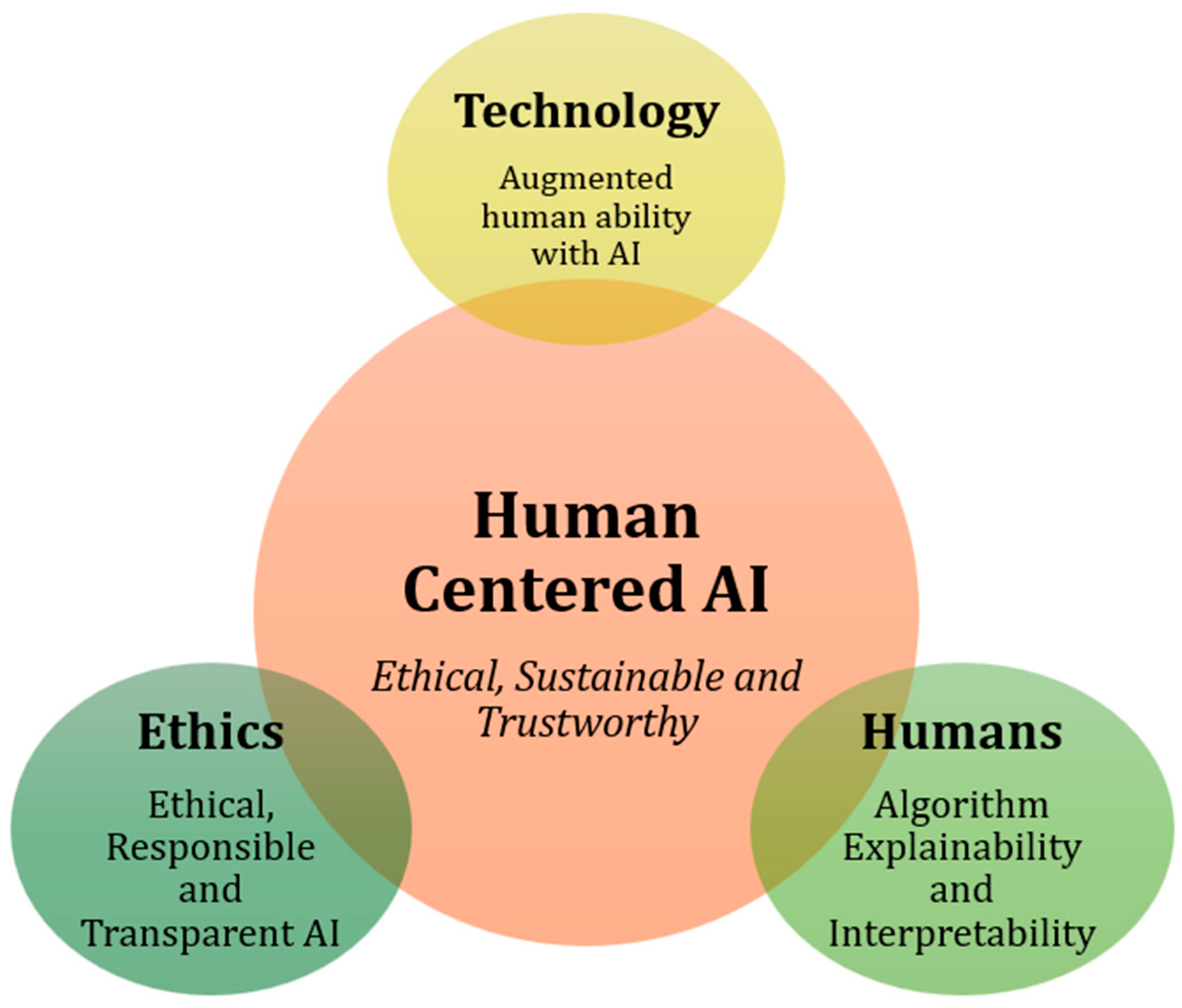
Human-centered AI, also known as HCAI, is a field of research that focuses on designing AI systems that prioritize human needs, values, and capabilities. By taking a more collaborative and human-focused approach, HCAI aims to build AI systems that work in tandem with humans, rather than replacing them. This approach has the potential to unlock new levels of innovation, productivity, and value creation, while also mitigating the risks associated with AI.
Key Principles of Human-Centered AI Development
- Collaboration over Competence: Human-centered AI emphasizes the importance of collaboration between humans and AI systems, rather than relying solely on AI's abilities to solve complex problems.
- Value Alignment: HCAI seeks to align AI systems with human values such as fairness, transparency, and accountability, ensuring that AI applications are beneficial to society as a whole.
- Human-Centered Design: This approach applies design thinking principles to AI development, involving humans in the design and testing of AI systems to ensure they meet human needs and expectations.
- Transparency and Explainability: HCAI prioritizes transparency and explainability in AI decision-making, enabling humans to understand how AI systems arrive at their conclusions and making it easier to debug and correct errors.