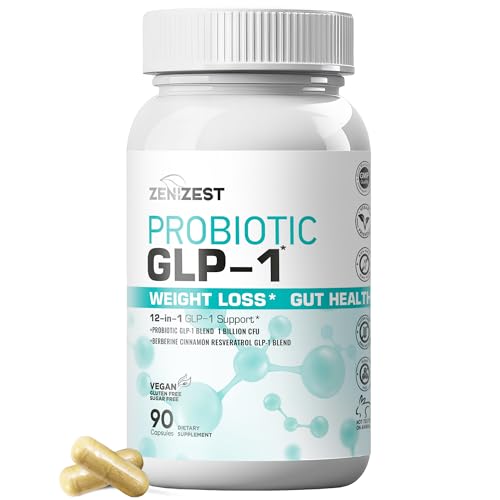
GLP-1 and Appetite Suppressor Weight Loss: Understanding the Science
Glucagon-like peptide-1 (GLP-1) is a hormone that plays a crucial role in regulating both appetite and blood sugar levels. Originally studied for its effects on glucose metabolism, GLP-1 has gained prominence due to its powerful appetite-suppressing effects, making it an essential player in modern weight management strategies. In this article, we'll delve into the science behind GLP-1 and appetite suppressant weight loss, exploring the mechanisms underlying this hormone's effects on appetite and weight management.
The Basics of GLP-1 and Appetite Suppression
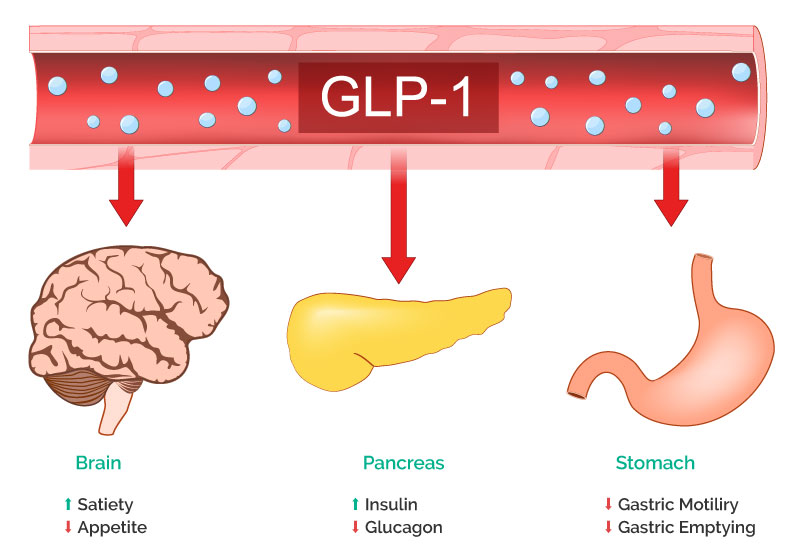
GLP-1 is a hormone produced by the intestines in response to food intake. It works by binding to GLP-1 receptors in the brain, which sends signals to suppress appetite and reduce food intake. This hormone is also involved in the regulation of glucose metabolism, making it a promising target for the treatment of type 2 diabetes and obesity.

How GLP-1 Medications Work
GLP-1 medications, such as semaglutide and tirzepatide, work by mimicking the effects of natural GLP-1 in the body. These medications slow the rate of gastric emptying, which helps to reduce hunger and increase feelings of fullness. They also reduce the production of ghrelin, a hormone that stimulates appetite, and increase the production of peptide YY, a hormone that suppresses appetite.