Unlocking the Therapeutic Potential of GLP-1 and Mitochondria Function in Diabetes
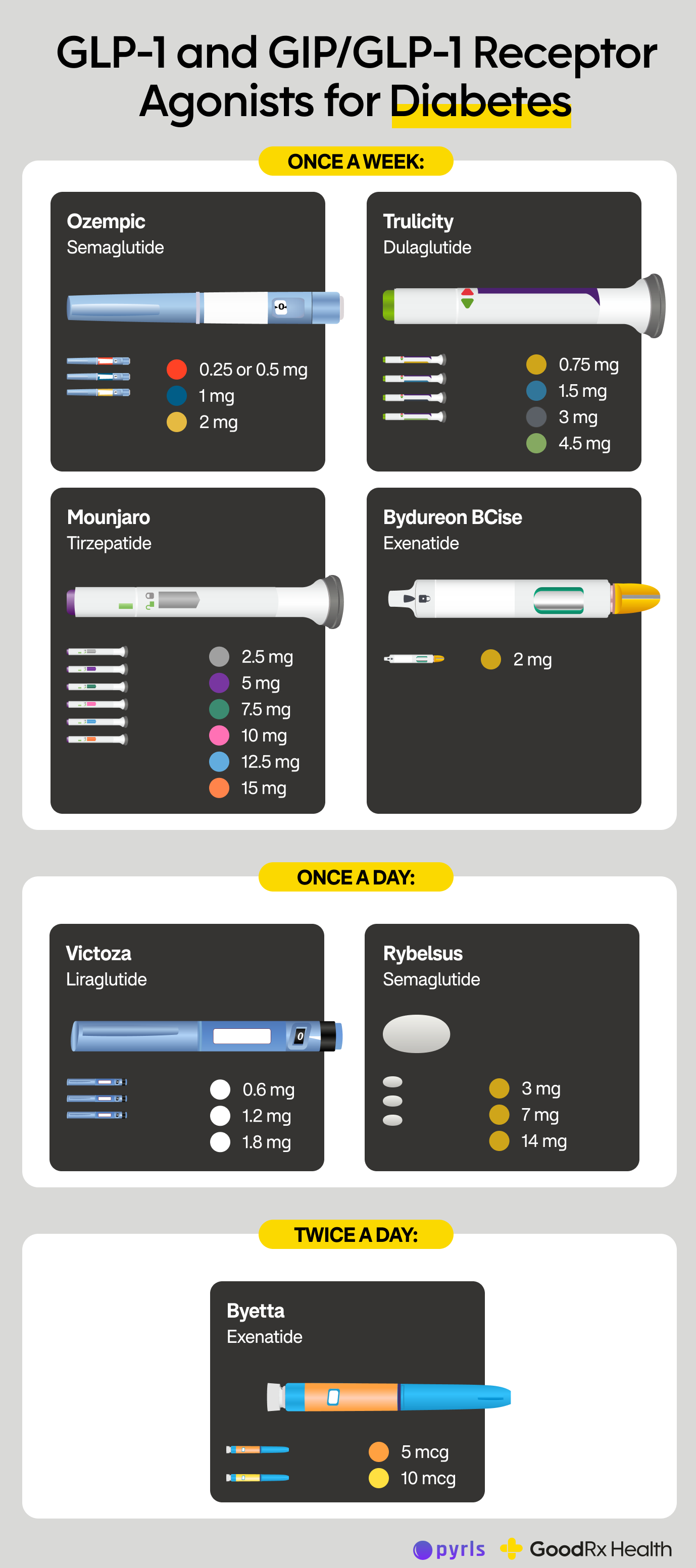
Living with diabetes can be a challenging and complex condition to manage, but recent research has shed light on the potential therapeutic benefits of glucagon-like peptide-1 (GLP-1) receptor agonists and their impact on mitochondrial function.
GLP-1 Receptor Agonists and Mitochondrial Function
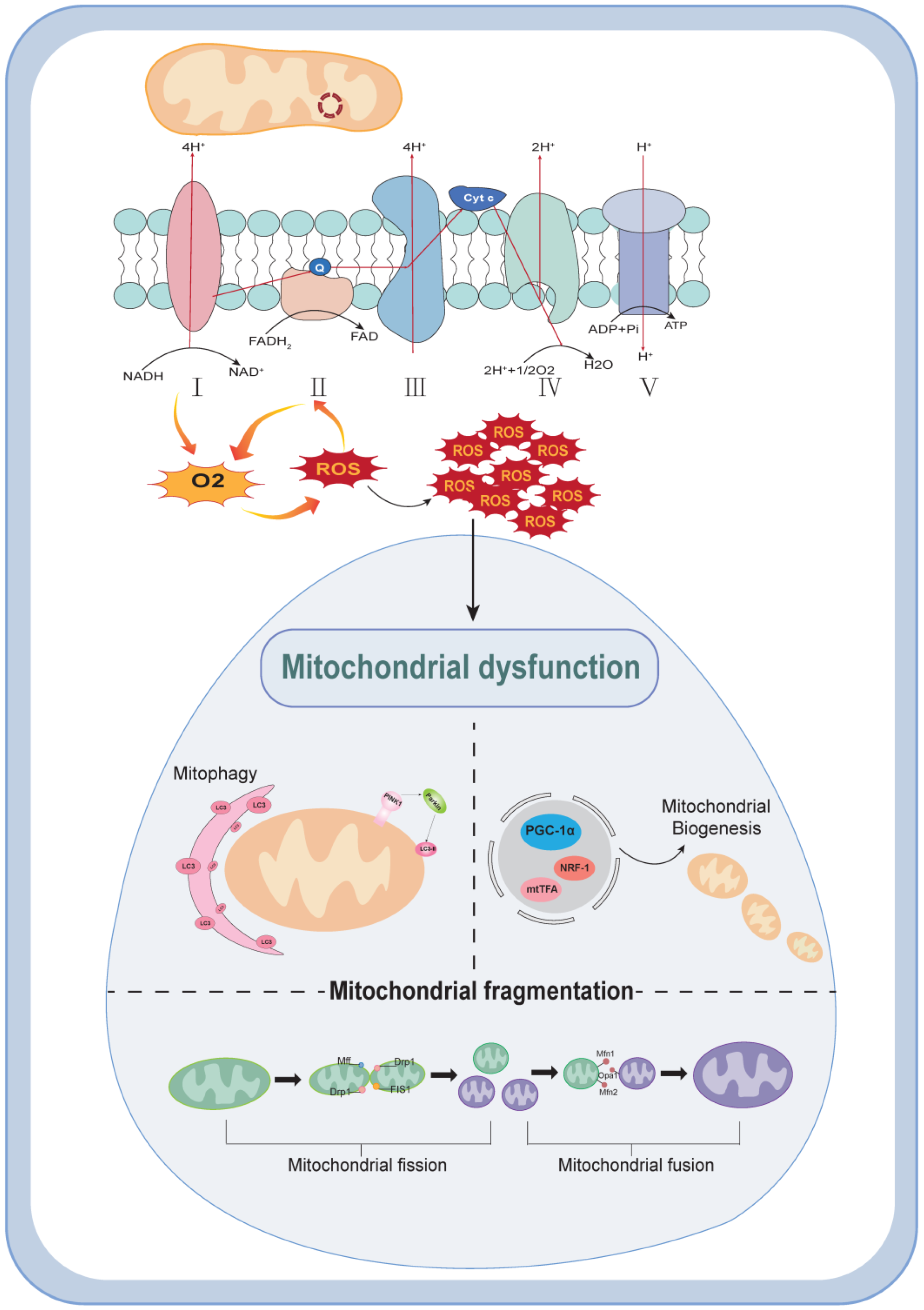
GLP-1 receptor agonists have been widely used to treat type 2 diabetes mellitus, and emerging evidence suggests they may also have beneficial effects on mitochondrial function. Mitochondrial dysfunction is a key feature of type 2 diabetes, and impairing mitochondrial function can exacerbate the condition.

- Enhancing Mitochondrial Respiration Studies have shown that GLP-1 receptor agonists improve mitochondrial respiration in type 2 diabetes patients, thereby enhancing their ability to produce energy.
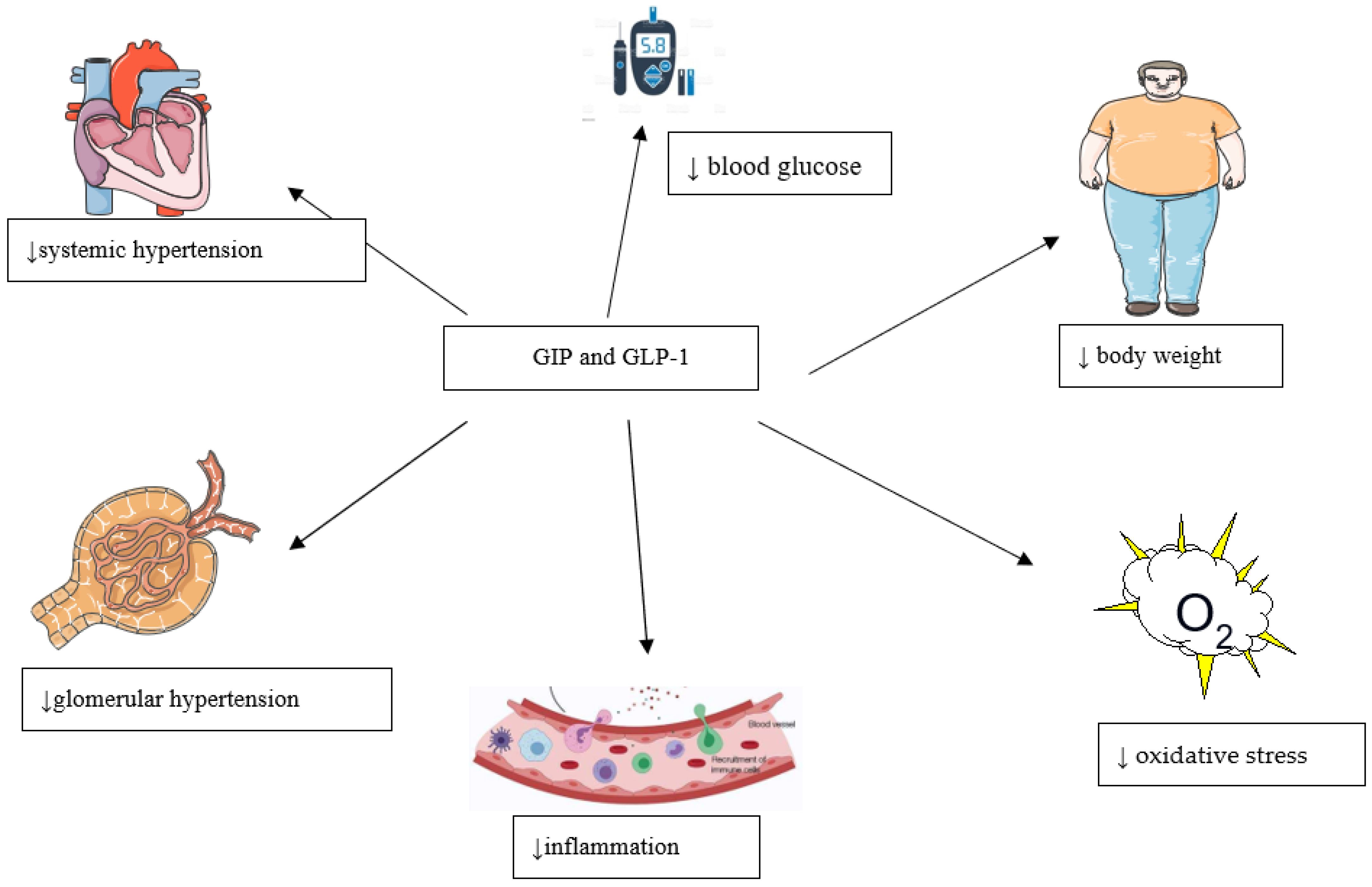
- Reducing Oxidative Stress GLP-1 receptor agonists have been found to reduce oxidative stress in mitochondria, which is a major contributor to the pathogenesis of type 2 diabetes.
- Improving Leukocyte-Endothelial Interactions GLP-1 receptor agonists have also been shown to reduce leukocyte-endothelial interactions, inflammation, and carotid intima-media thickness (CIMT) in type 2 diabetes patients, thereby potentially diminishing the risk of atherosclerosis and cardiovascular diseases.
The Role of GLP-1 in Mitochondrial Function and Diabetes
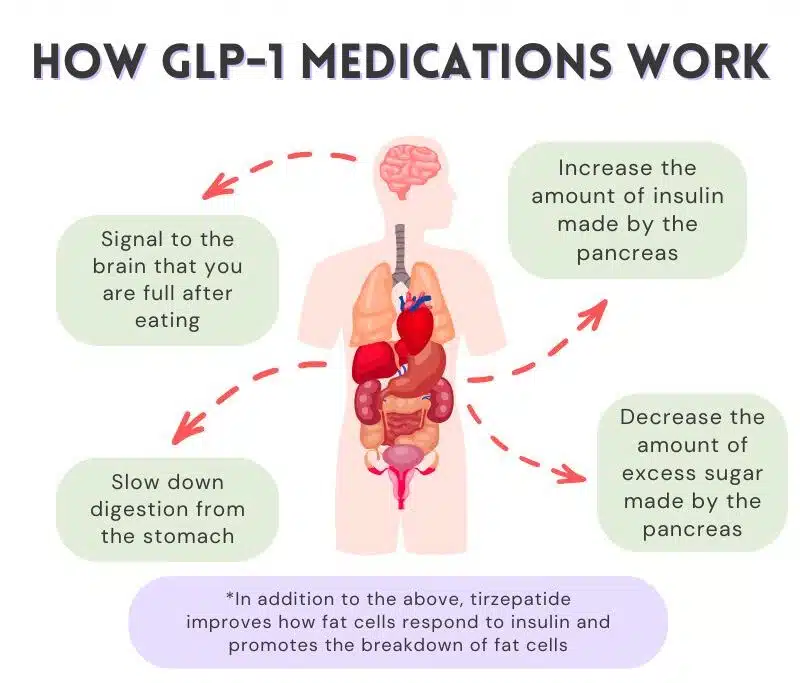
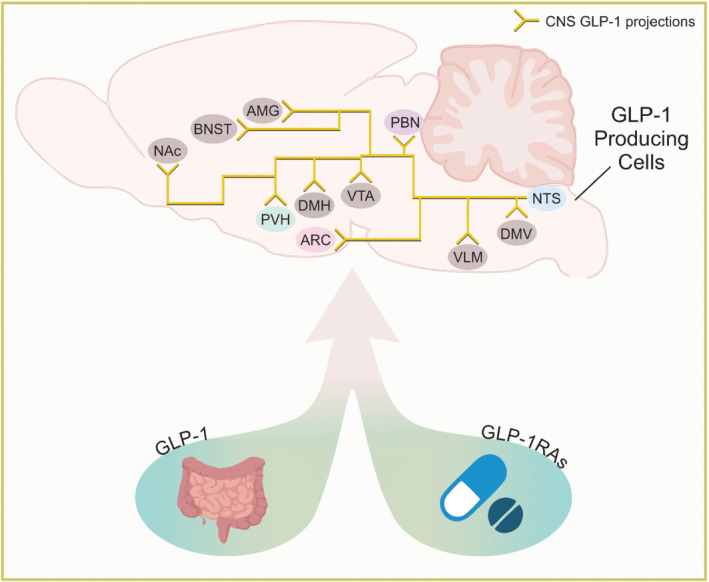
GLP-1 plays a critical role in regulating mitochondrial function and plays a key role in the management of diabetes. GLP-1 is a gut hormone that is released in response to food intake and has a crucial impact on appetite regulation, insulin sensitivity, and glucose metabolism.