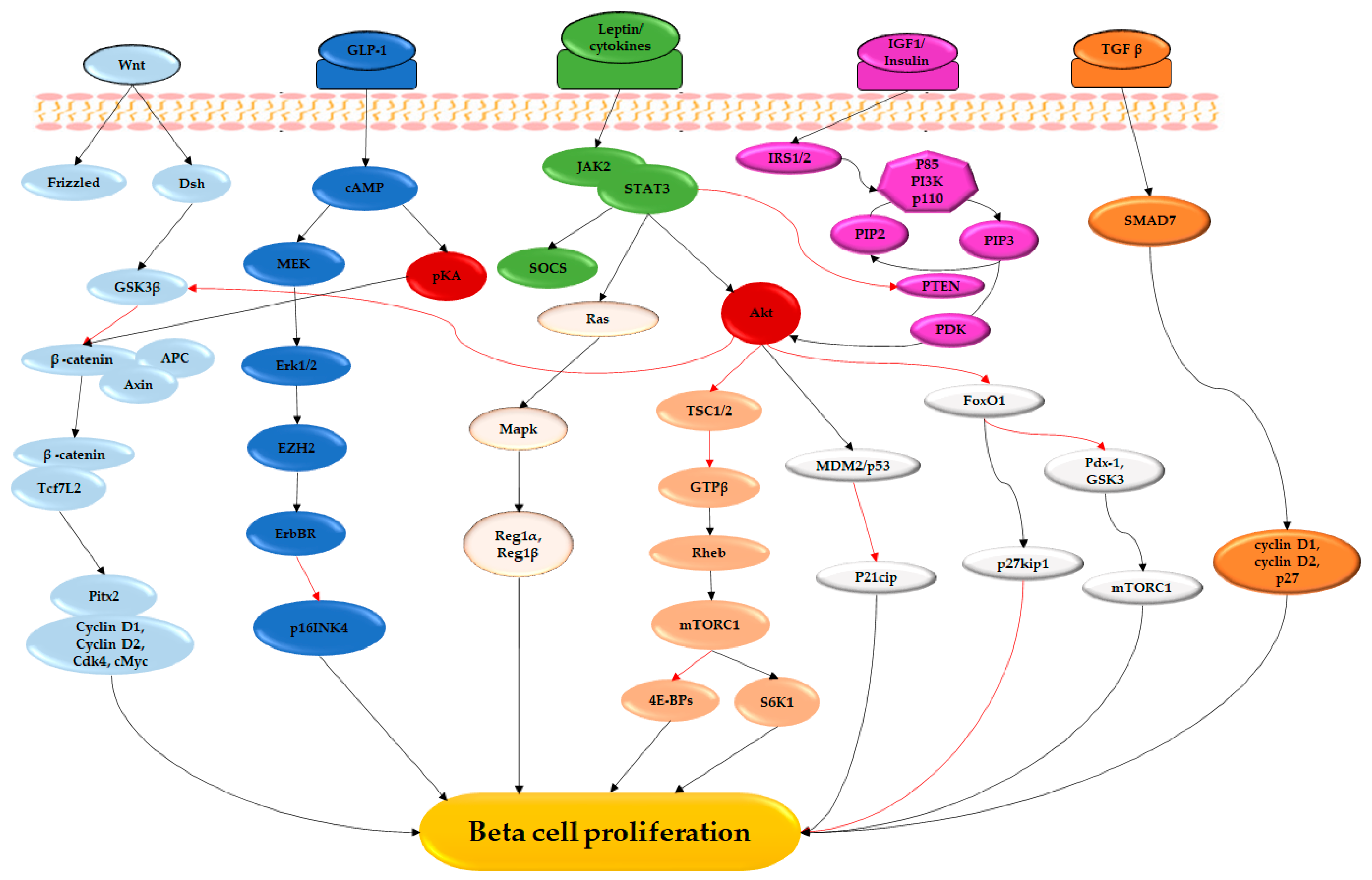
Improving Pancreatic Beta Cell Mass with GLP-1
Glucagon-like peptide-1 (GLP-1) has emerged as a key mediator of glucose homeostasis, with significant potential for improving insulin production and secretion. Research has primarily focused on the role of GLP-1 in regulating blood glucose levels, but recent studies have also highlighted its potential benefits for preserving pancreatic beta cell mass.
GLP-1 and Pancreatic Beta Cell Mass Improvement
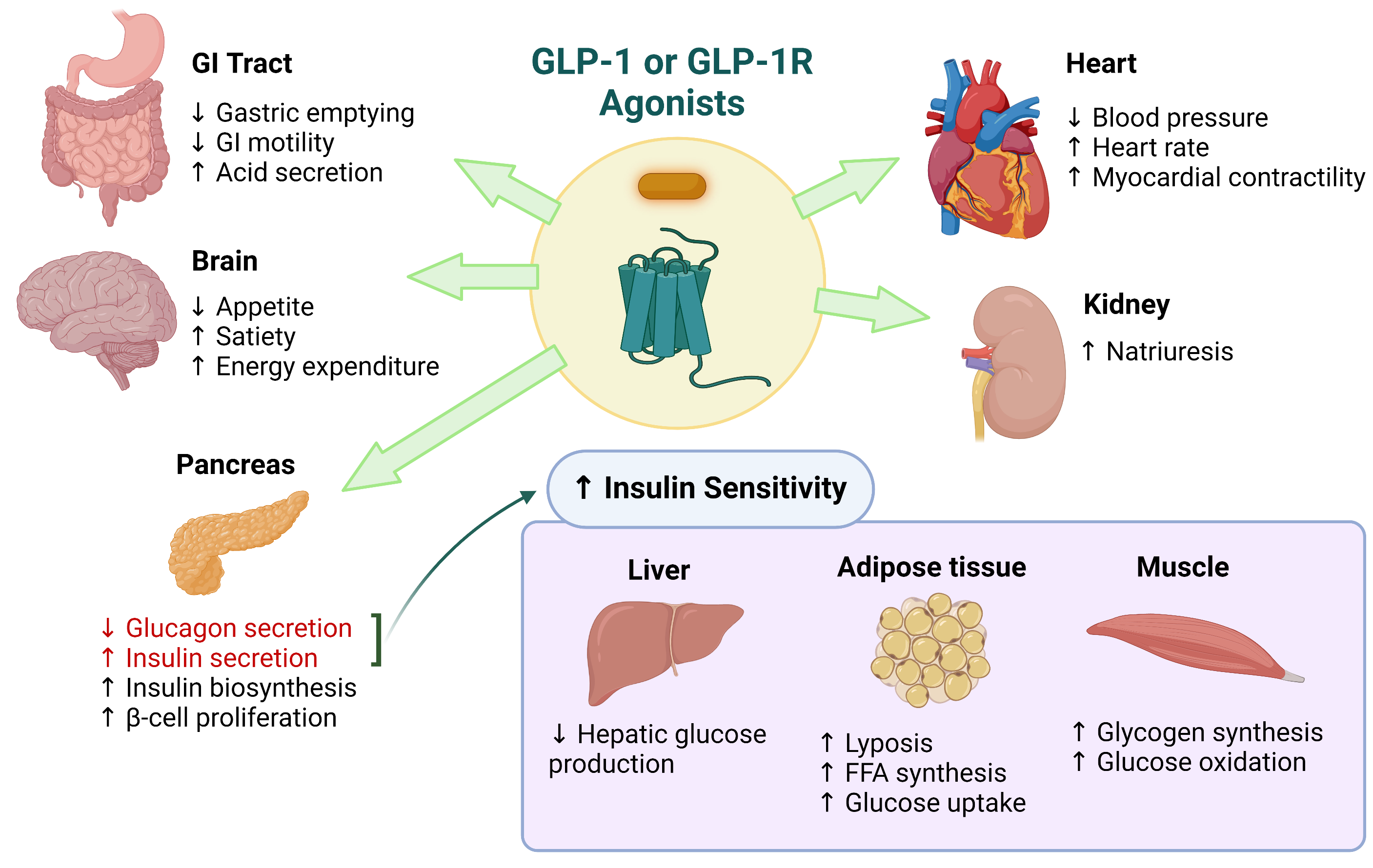
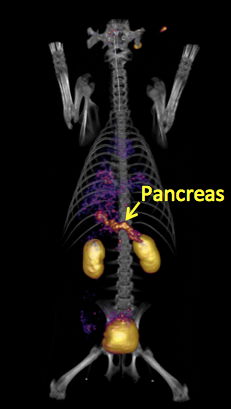
GLP-1 regulates blood glucose levels by stimulating insulin release from pancreatic beta cells. Studies have demonstrated that GLP-1 receptor agonists (GLP-1RAs) can exert a robust anti-apoptotic effect on pancreatic beta cells in preclinical models, supporting their role in preserving beta cell mass. Indeed, preclinical studies have shown that GLP-1RAs can increase beta cell mass and function, even in the presence of chronic hyperglycemia.
Mechanisms of GLP-1 on Beta Cell Mass

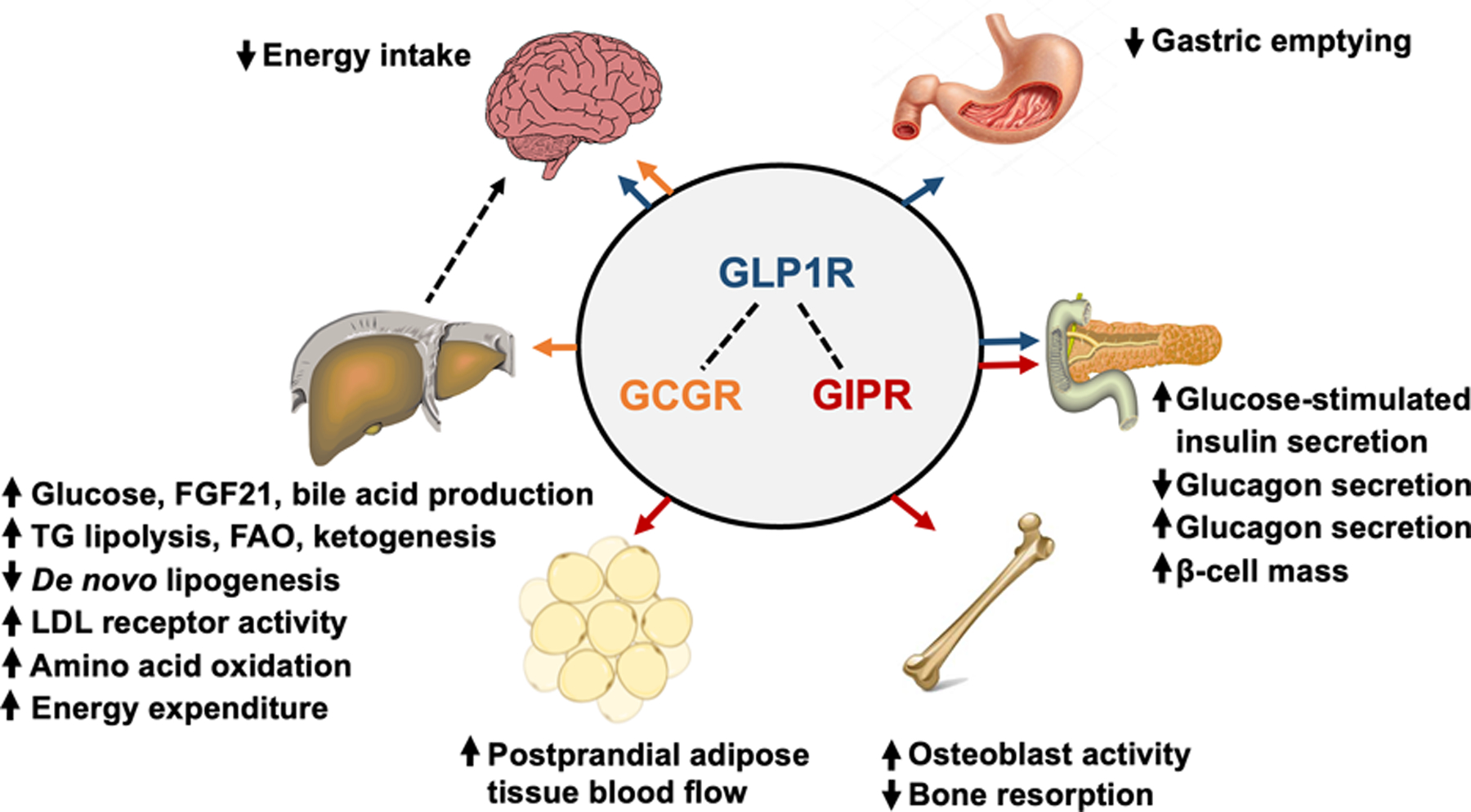
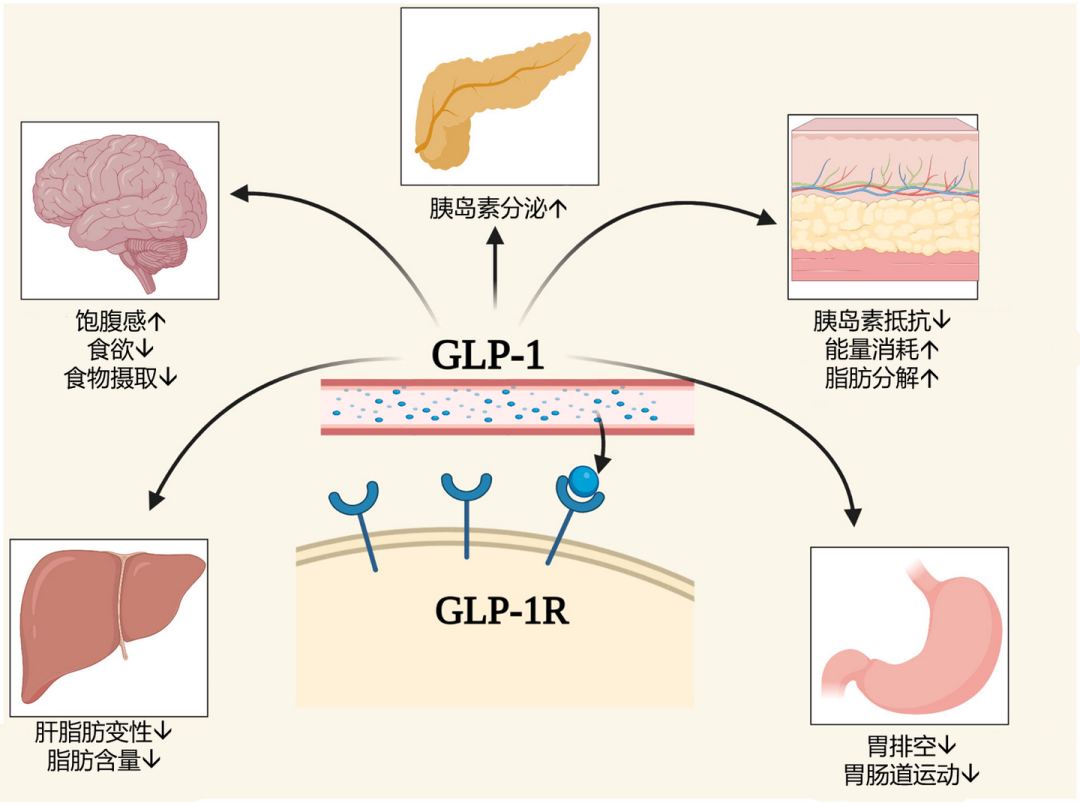
The mechanisms by which GLP-1 improves pancreatic beta cell mass and function are complex and multifaceted. Research has shown that GLP-1 can exert its effects through several pathways, including:
- Enhancing glucose-stimulated insulin secretion from pancreatic beta cells
- Suppressing glucagon secretion from alpha cells
- Activating autophagy, a cellular process that promotes cell survival and growth
Implications for Diabetes Therapy
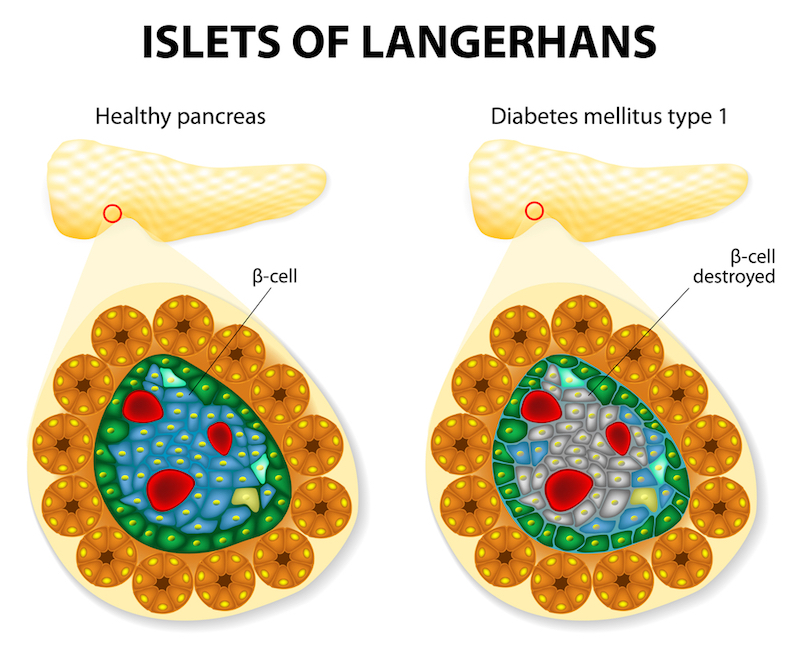
The potential of GLP-1 in improving pancreatic beta cell mass and function has significant implications for diabetes therapy. By preserving beta cell mass, GLP-1RAs may help to improve glycemic control, even in the presence of advanced chronic diseases. Furthermore, the anti-apoptotic effects of GLP-1RAs may delay or slow the progression of beta cell loss, which is a hallmark of type 2 diabetes.