GLP-1 and Type 2 Diabetes Medications: A Breakthrough in Managing Blood Sugar Levels
Glucagon-like peptide-1 (GLP-1) agonists have revolutionized the treatment of type 2 diabetes, offering a promising approach to managing blood sugar levels and promoting weight loss. As a class of medications, GLP-1 agonists have gained significant attention in recent years, and their popularity continues to grow due to their efficacy and relatively low risk of side effects.
What are GLP-1 Agonists?
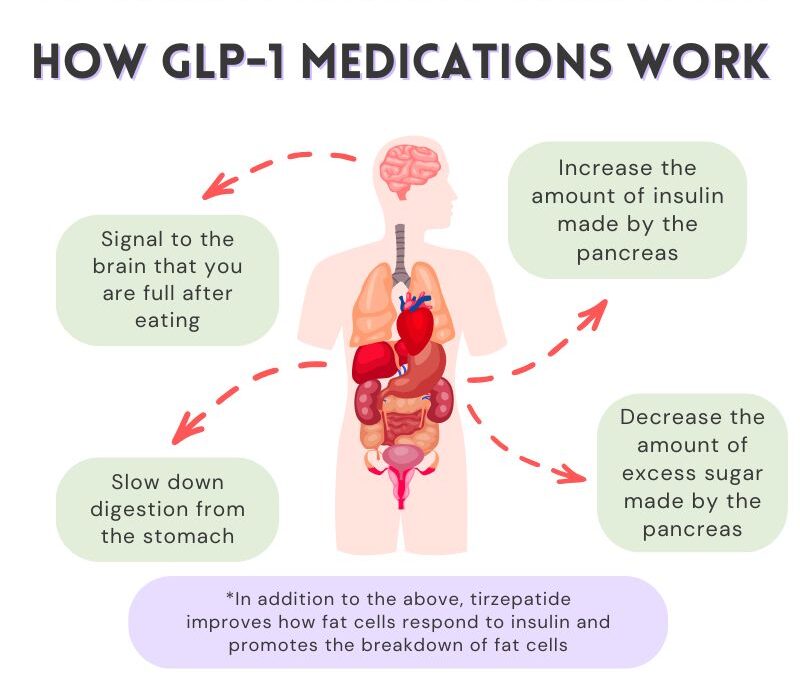
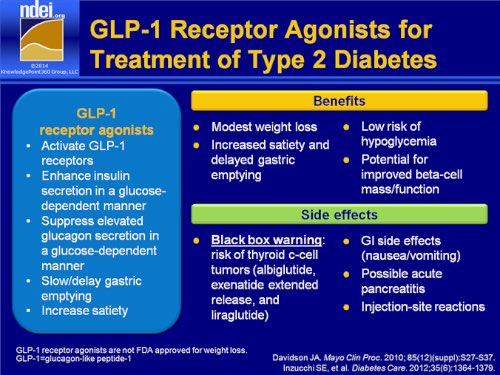
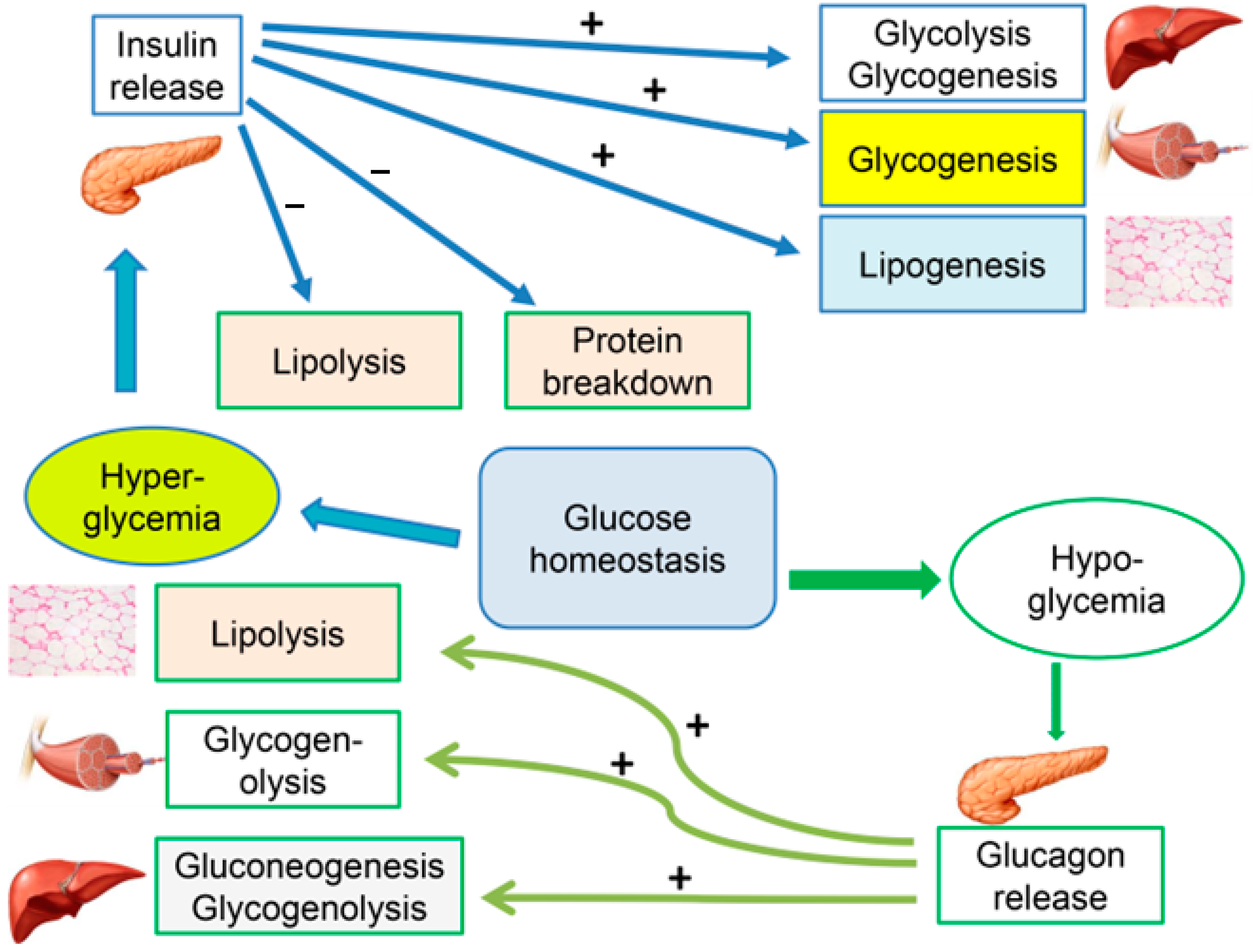
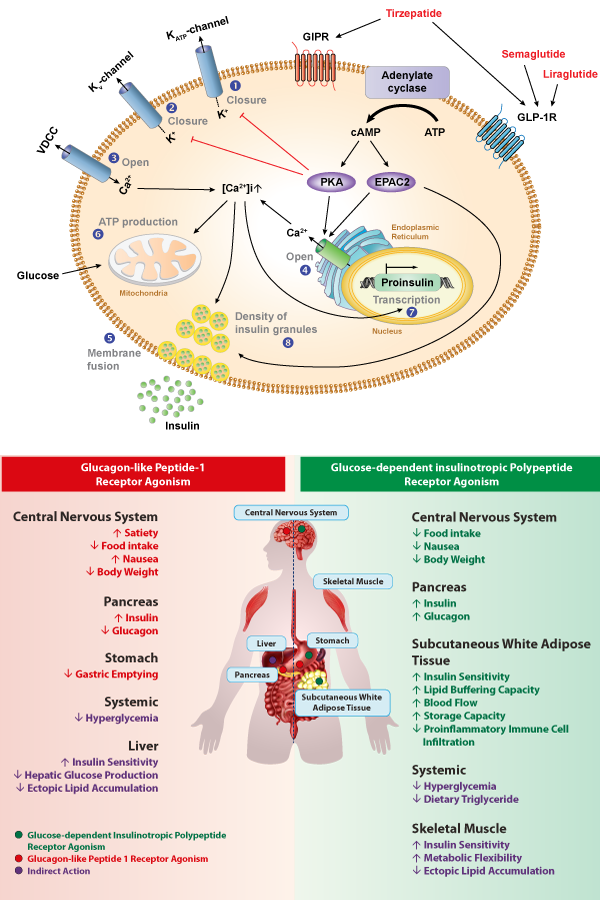
GLP-1 agonists are a class of medications that mimic the action of the GLP-1 hormone, which is naturally produced in the body. This hormone plays a crucial role in regulating blood sugar levels, appetite, and metabolism. By mimicking the action of GLP-1, these medications work by:
- Increasing insulin secretion
- Suppressing glucagon release
- Slowing gastric emptying
- Reducing appetite and food cravings
The Benefits of GLP-1 Agonists
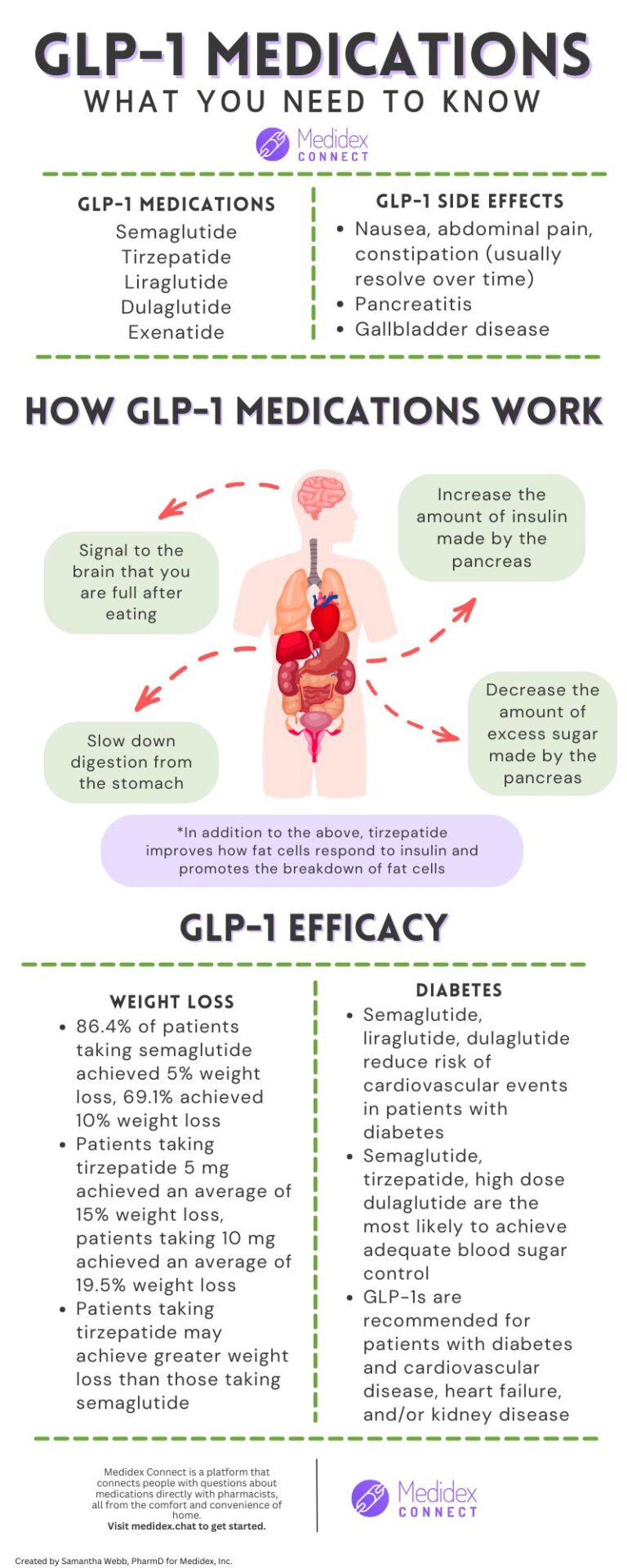
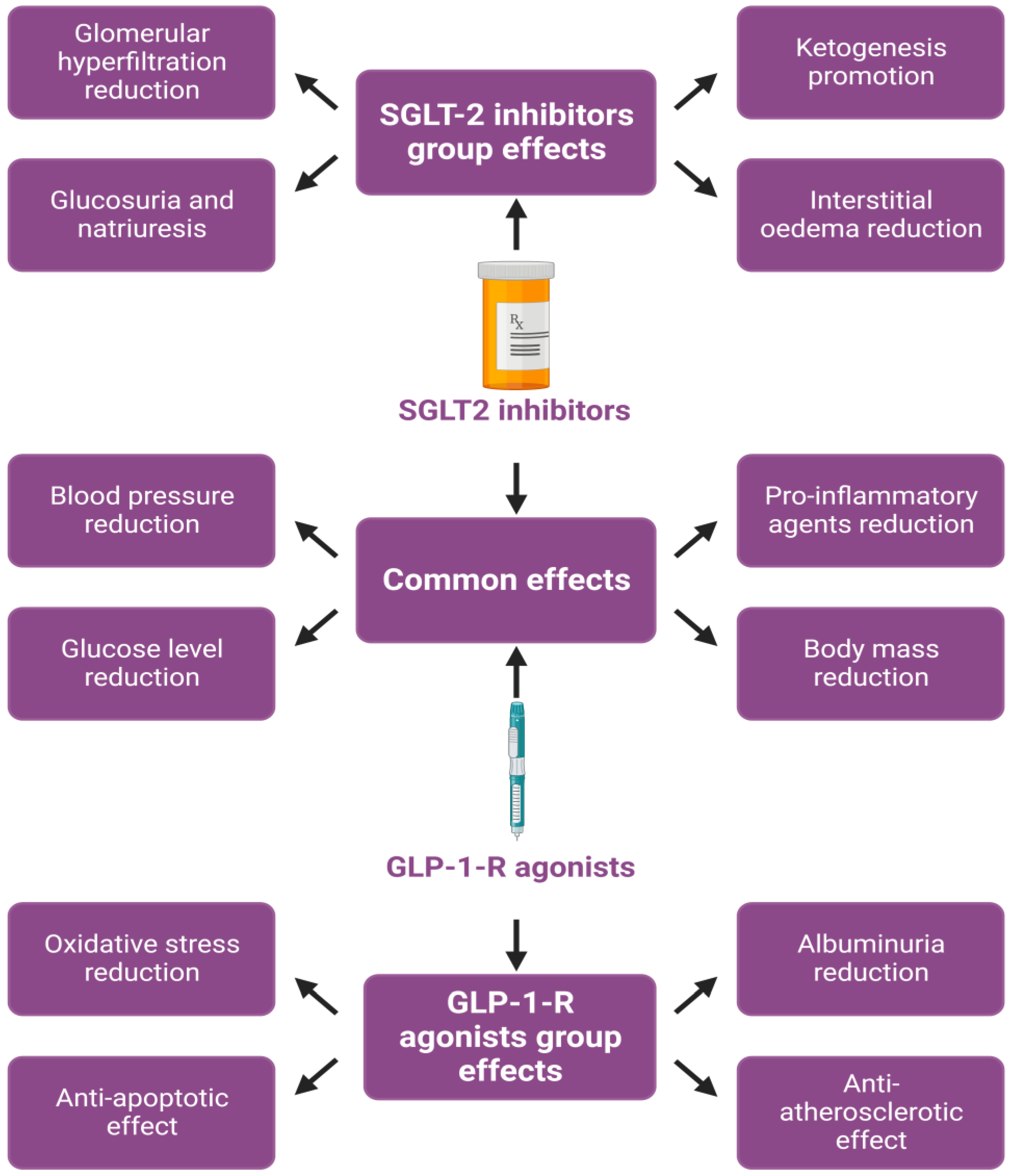
GLP-1 agonists have been shown to be effective in managing type 2 diabetes, and their benefits extend beyond glycemic control. These medications have been found to:
- Lower HbA1c levels
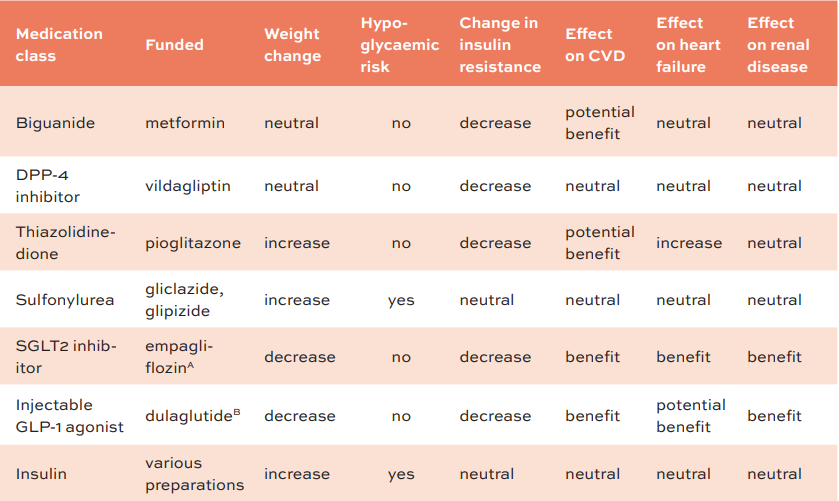
- Reduce the risk of major cardiovascular events
- Support weight loss
- Improve cardiovascular outcomes
GLP-1 Medications for Type 2 Diabetes
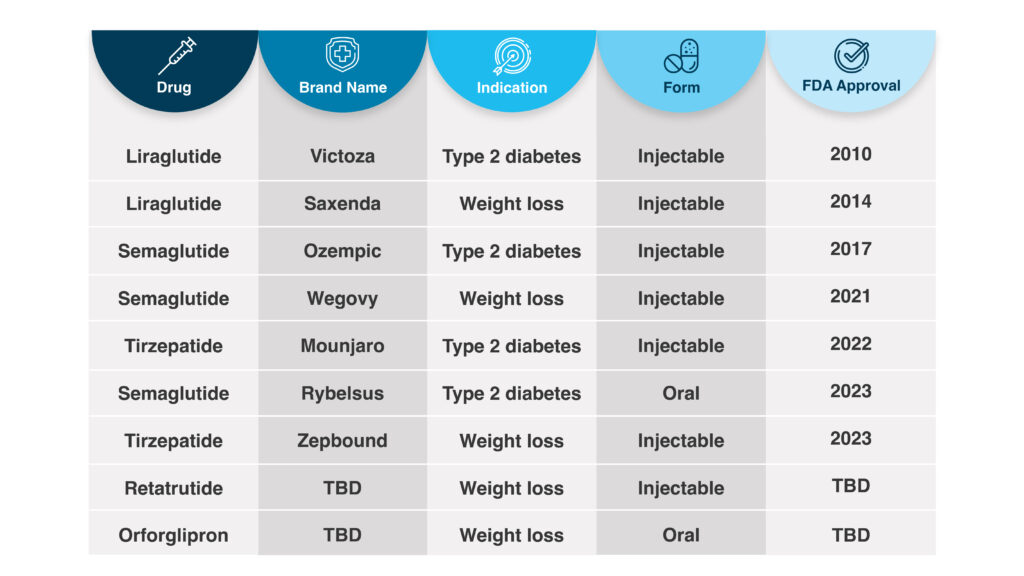
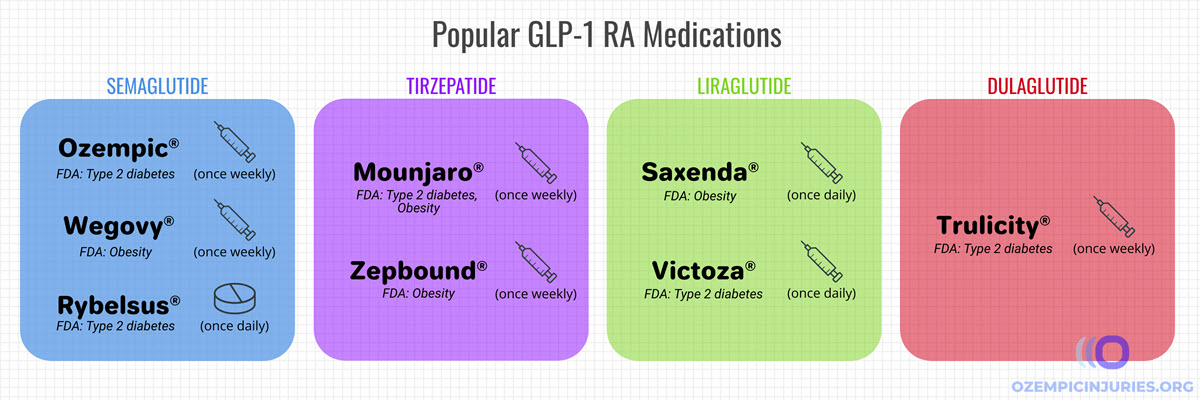
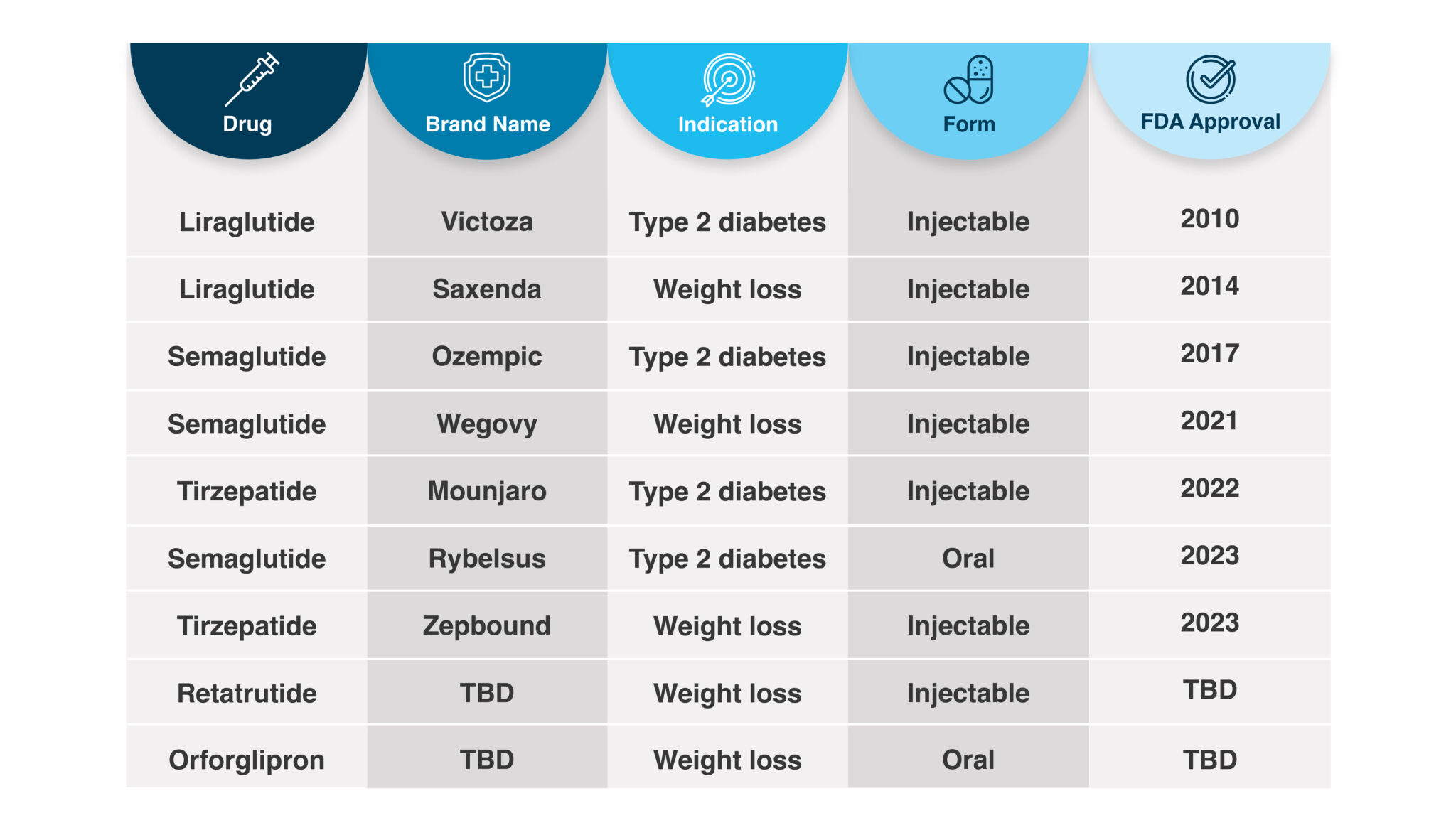
Several GLP-1 agonists have been approved by the FDA to treat type 2 diabetes, including:
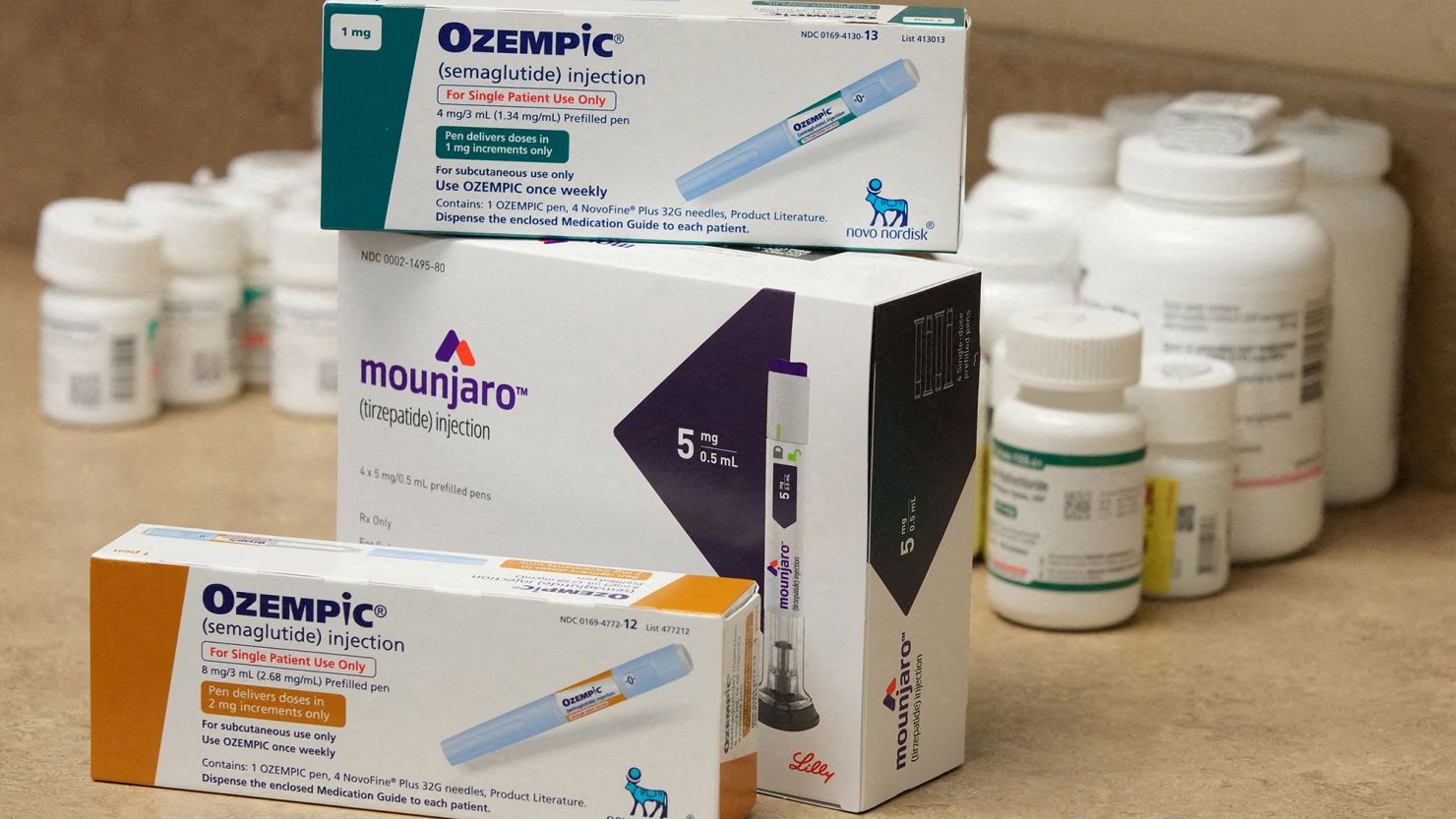
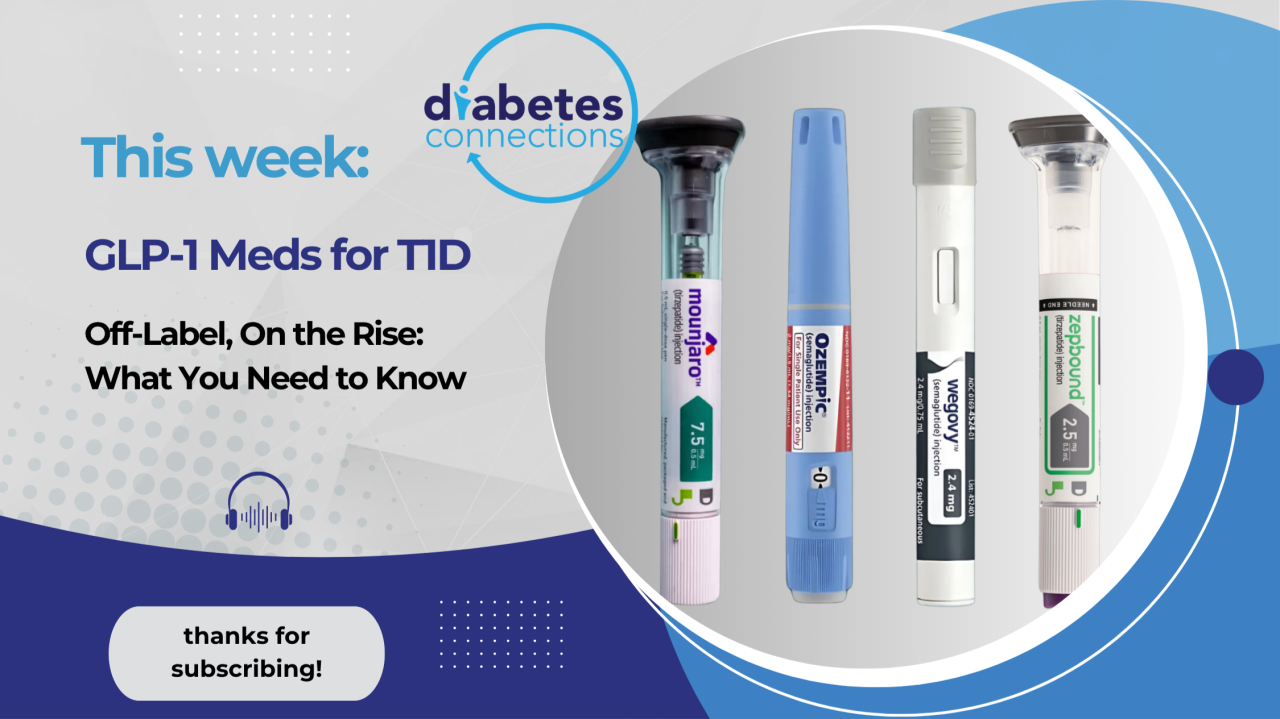
- Semaglutide (Ozempic, Wegovy)
- Liraglutide (Victoza)
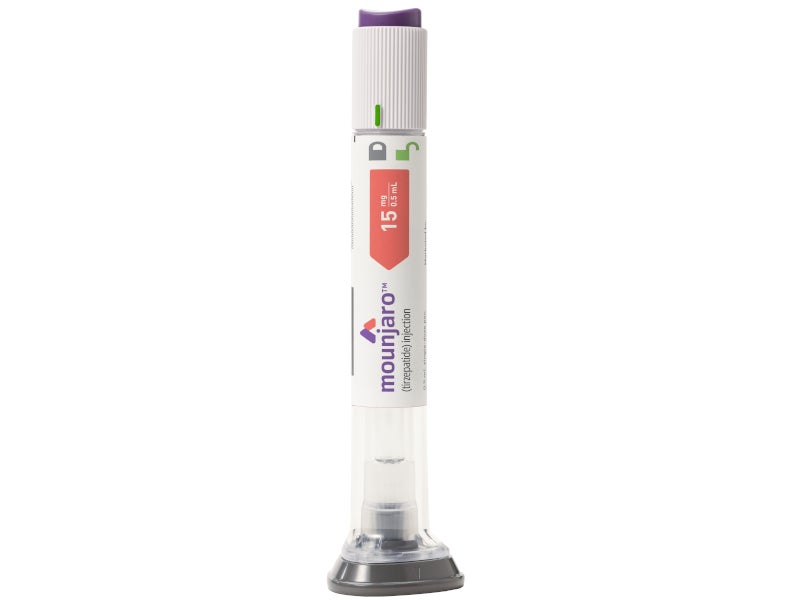
- Tirzepatide (Mounjaro)
- Dulaglutide (Trulicity)