Exploring the Efficacy of GLP-1 Receptor Agonist Therapy in Diabetes Management
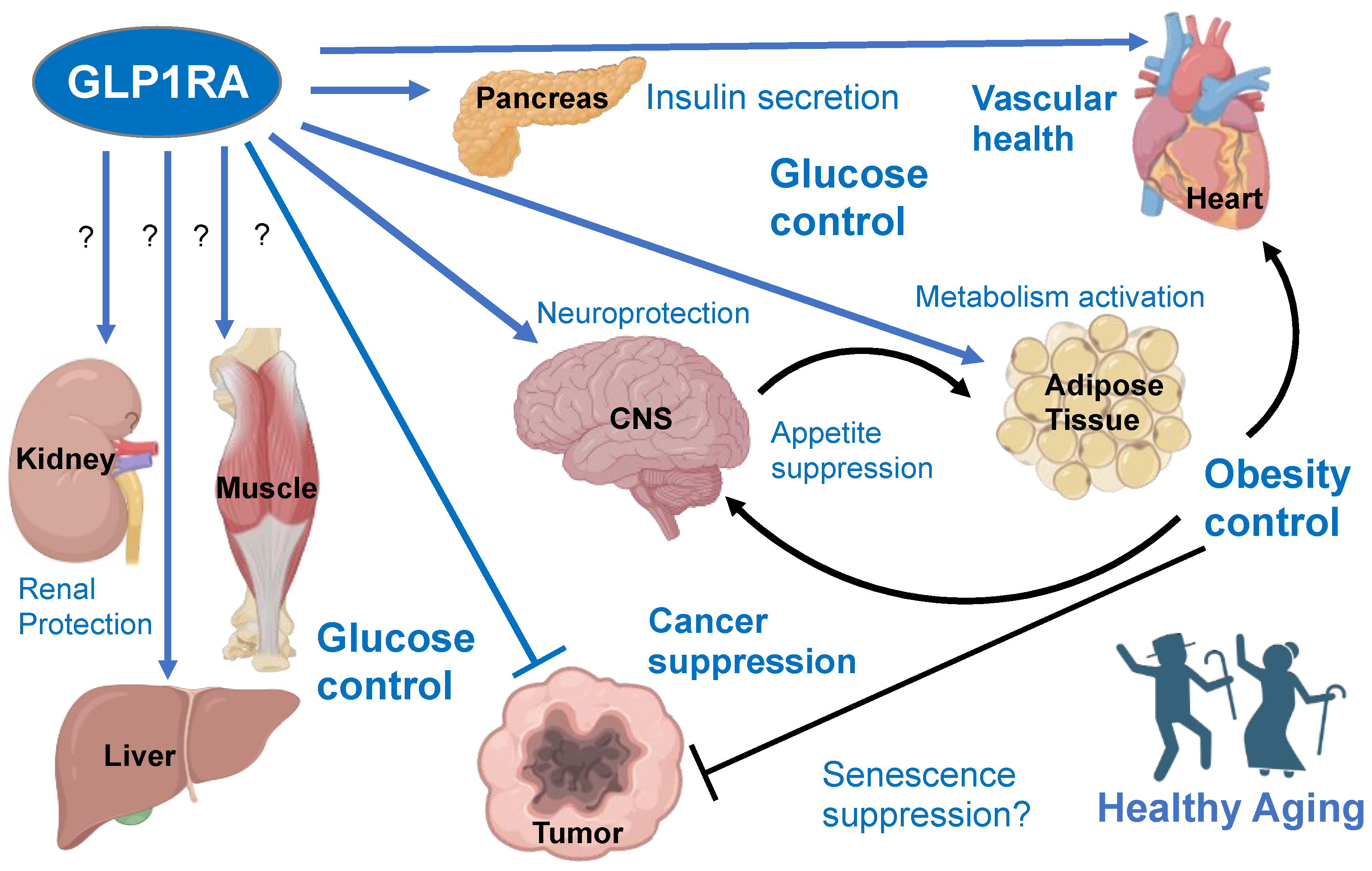
The management of type 2 diabetes has undergone significant transformations in recent years, thanks to the advent of glucagon-like peptide-1 (GLP-1) receptor agonists. These medications have been shown to offer numerous benefits, including improved glycemic control, weight reduction, and a reduced risk of cardiovascular events. In this article, we will delve into the efficacy of GLP-1 receptor agonist therapy and its clinical implications.Understanding GLP-1 Receptor Agonists
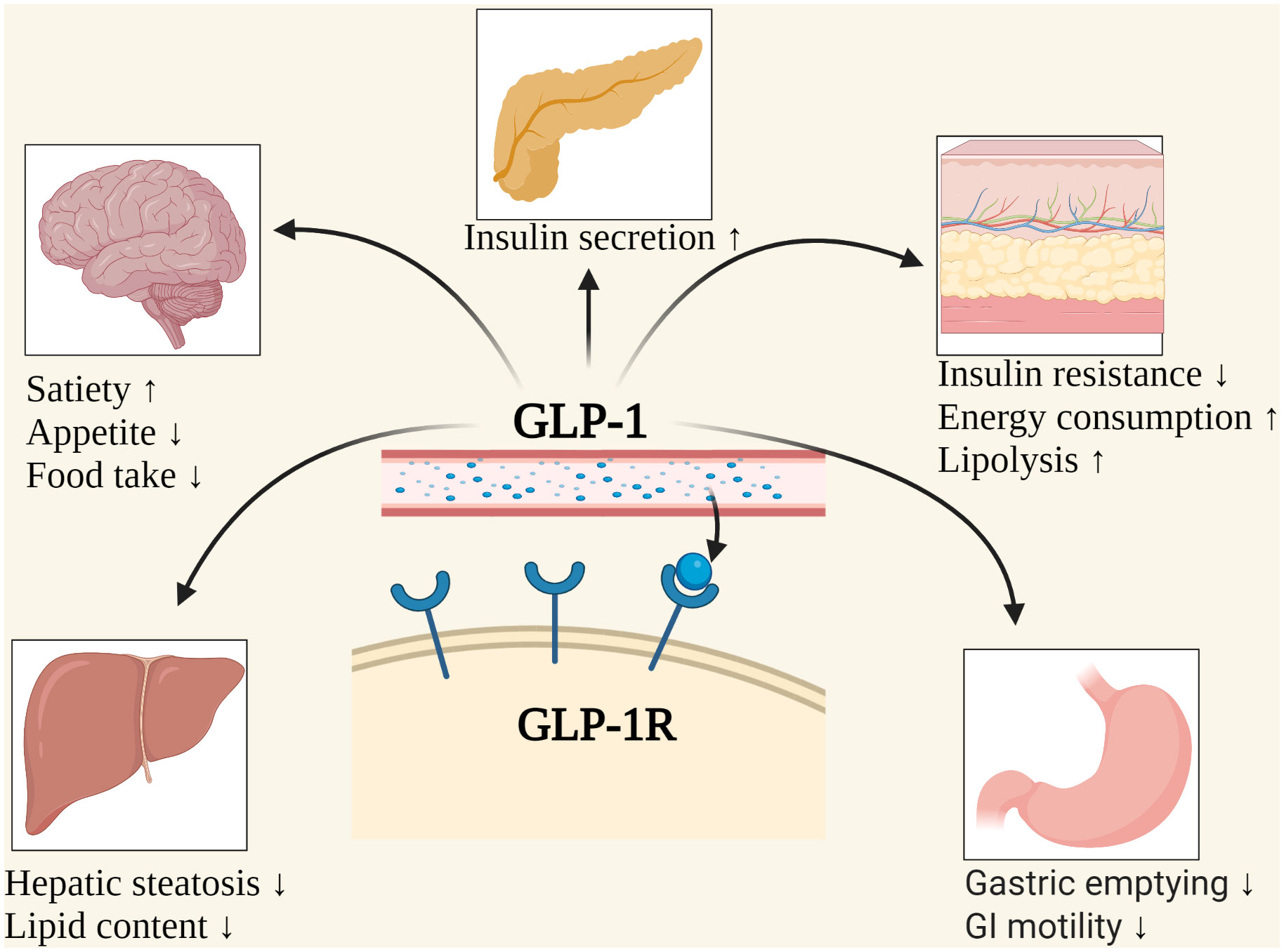
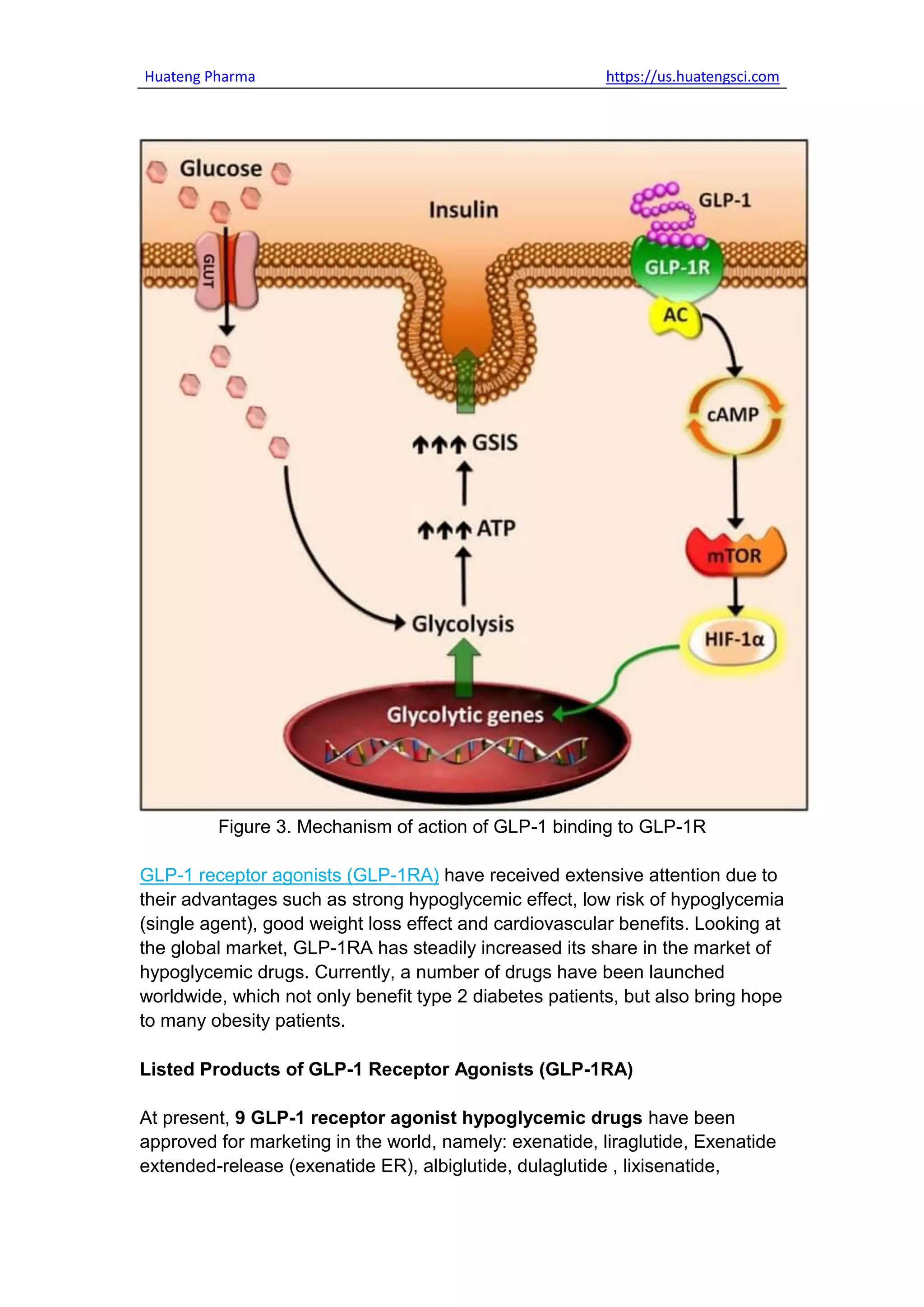
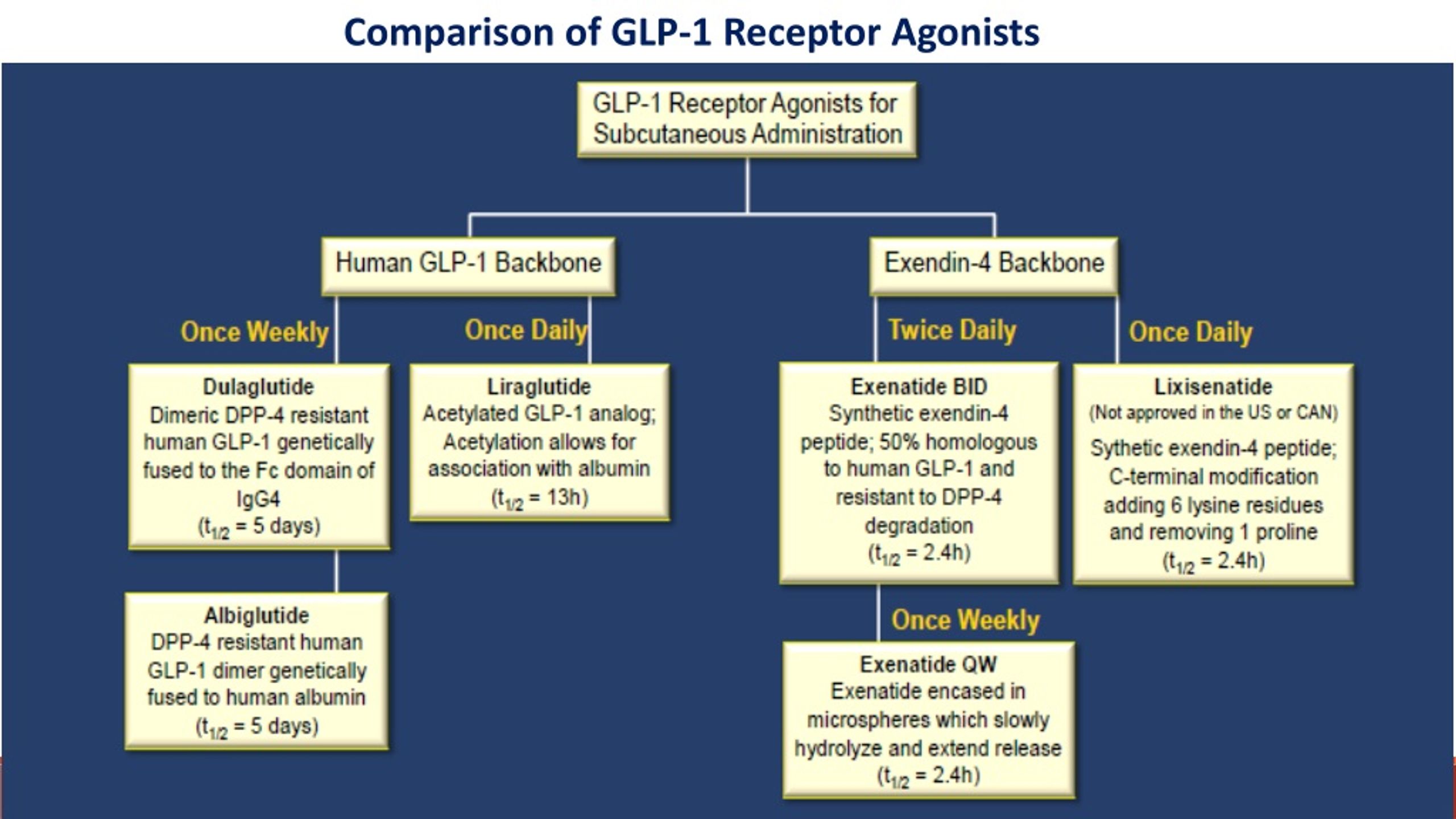
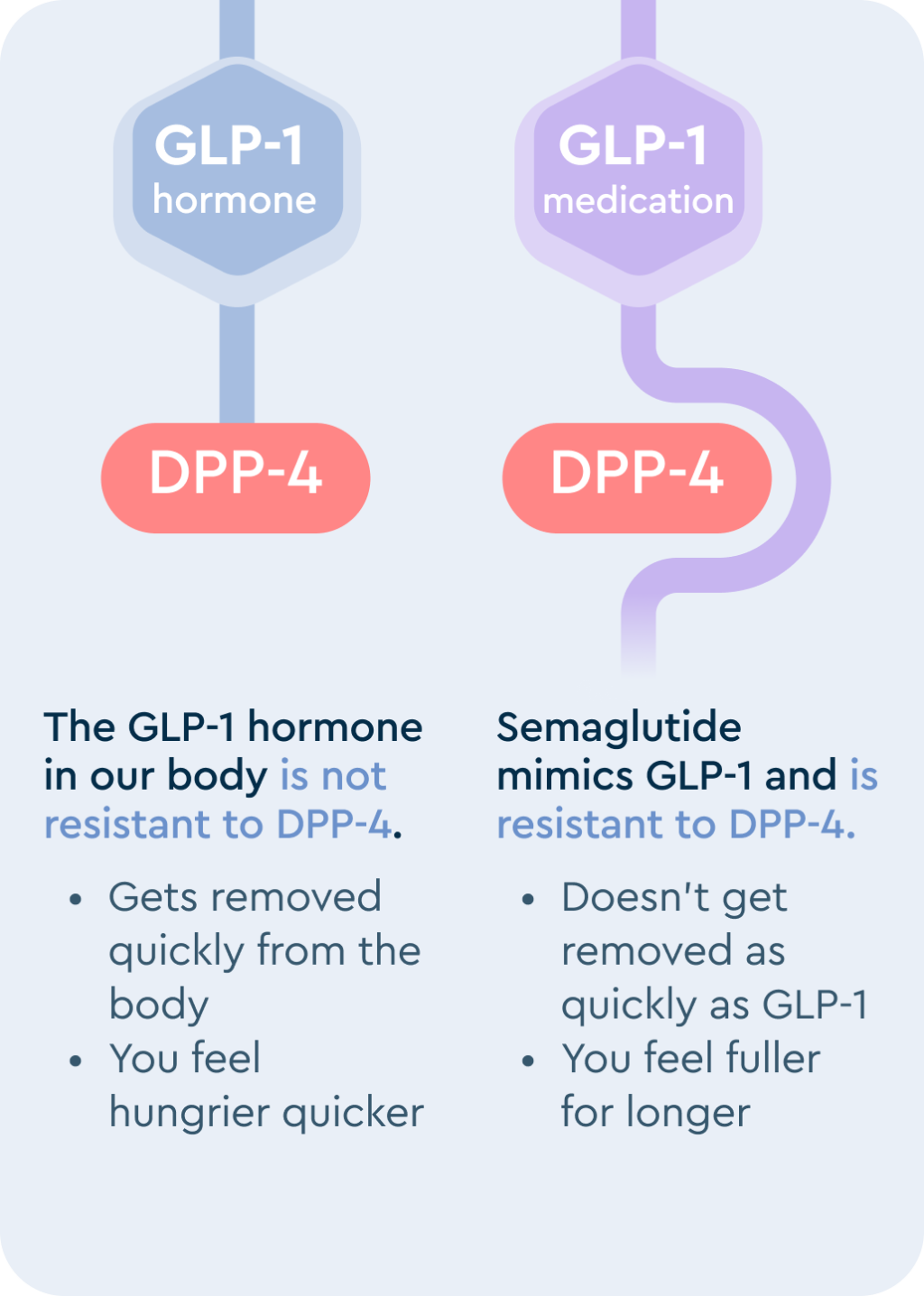
GLP-1 receptor agonists are a class of medications that mimic the action of the incretin hormone glucagon-like peptide-1 (GLP-1). GLP-1 is naturally produced in the gut and plays a crucial role in regulating blood glucose levels by enhancing insulin secretion and suppressing glucagon release. By binding to the GLP-1 receptor, these medications trigger a cascade of signaling events that lead to improved glycemic control and weight loss.Types of GLP-1 Receptor Agonists