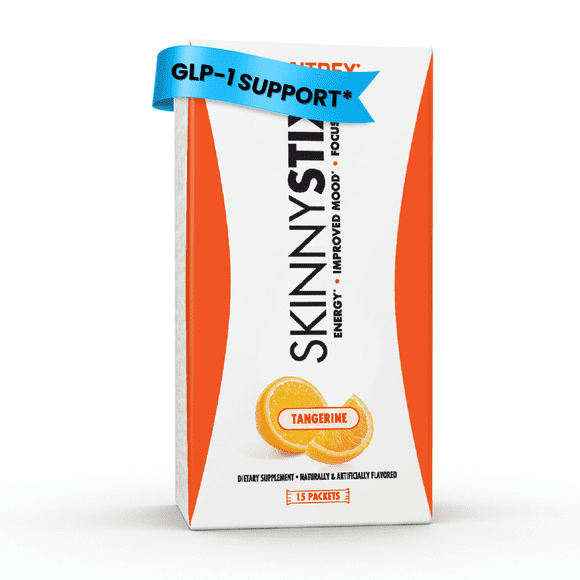
GLP-1 Suppresses Appetite: Unlocking the Secrets of Weight Loss
Are you tired of feeling hungry all the time? Do you struggle to control your appetite and reach your weight loss goals? Look no further than GLP-1, a hormone that plays a crucial role in regulating hunger and fullness. In this article, we'll delve into the world of GLP-1 and explore how it suppresses appetite, making it an essential player in modern weight management strategies.
What is GLP-1?
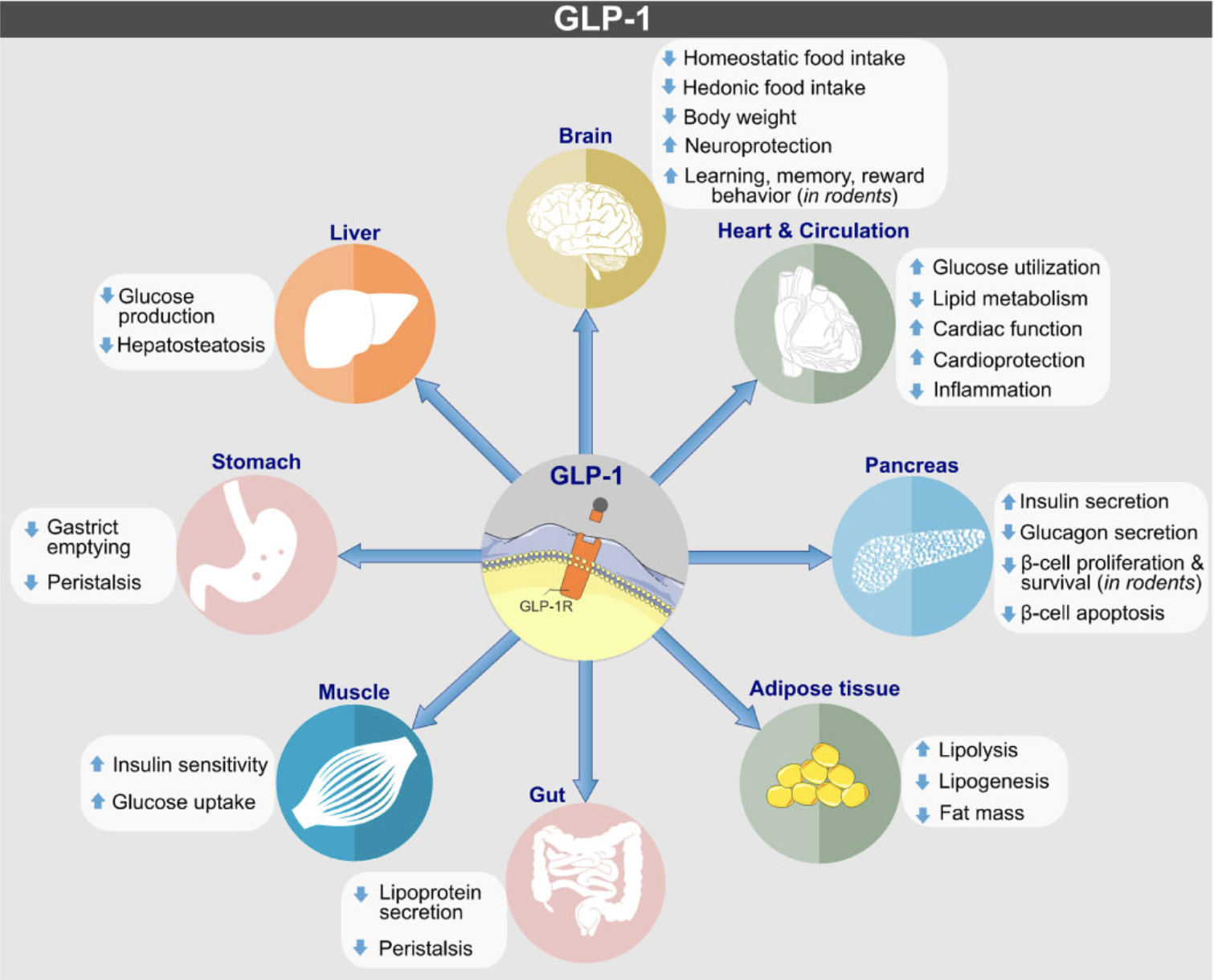
Glucagon-like peptide-1, or GLP-1, is a hormone produced by the gut that helps regulate blood sugar levels and appetite. It's part of the incretin hormone family, which promotes insulin release after eating. GLP-1 medications, such as semaglutide and tirzepatide, mimic the action of this hormone to slow gastric emptying, reduce hunger, and increase feelings of fullness.

How GLP-1 Suppresses Appetite
- Slows gastric emptying: GLP-1 medications slow the movement of food from the stomach to the small intestine, keeping you feeling fuller for longer.
- Reduces hunger: GLP-1 decreases the production of hunger hormones, such as ghrelin, and increases the production of fullness hormones, like peptide YY (PYY).
- Increases feelings of fullness: GLP-1 enhances the feeling of fullness and satisfaction after meals, reducing the likelihood of overeating.
- Modulates brain regions controlling appetite: GLP-1 receptors are found in the brain, where they influence appetite centers and regulate energy homeostasis.