Understanding Postprandial Glucose and Protein Sensitivity
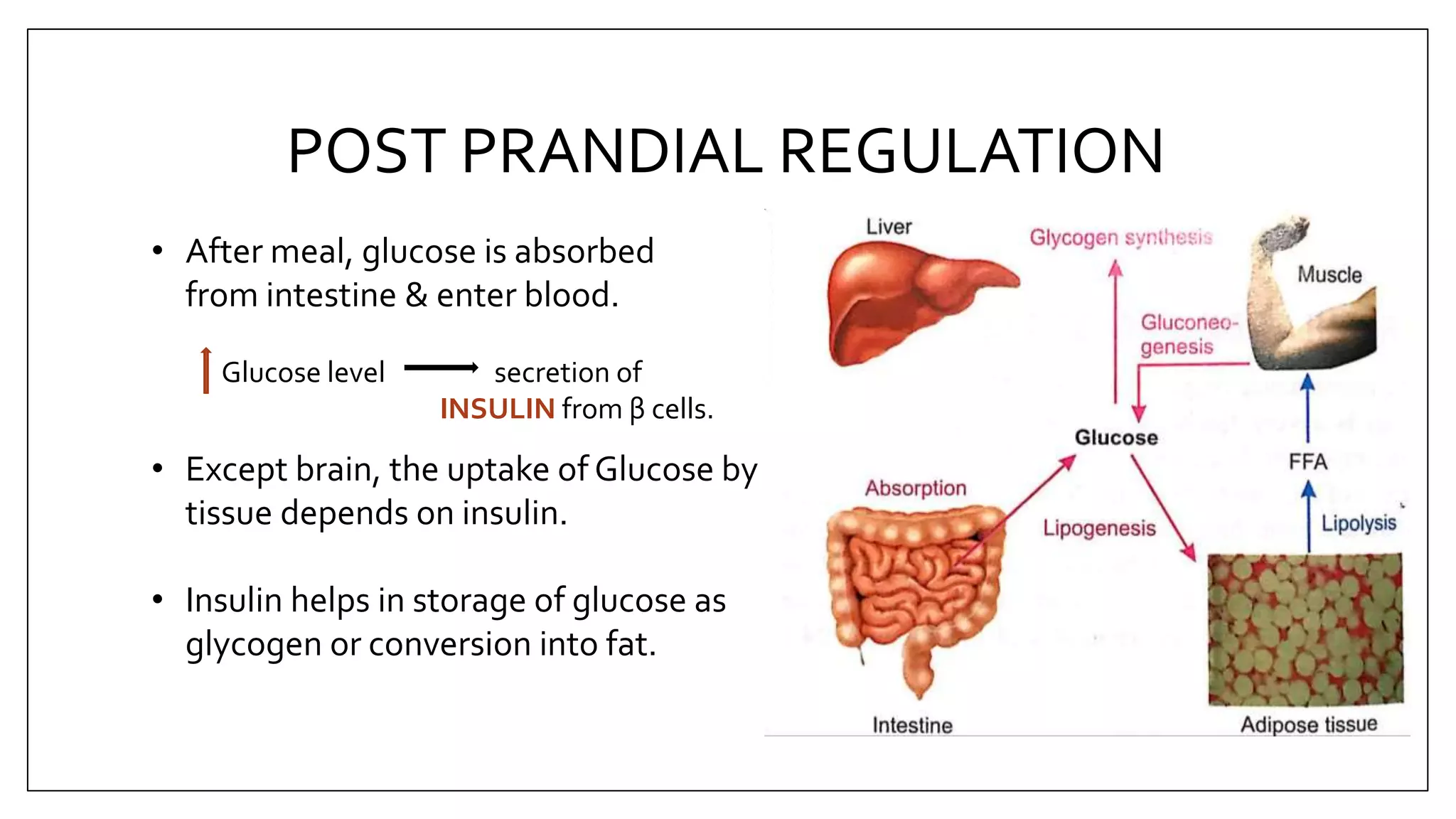
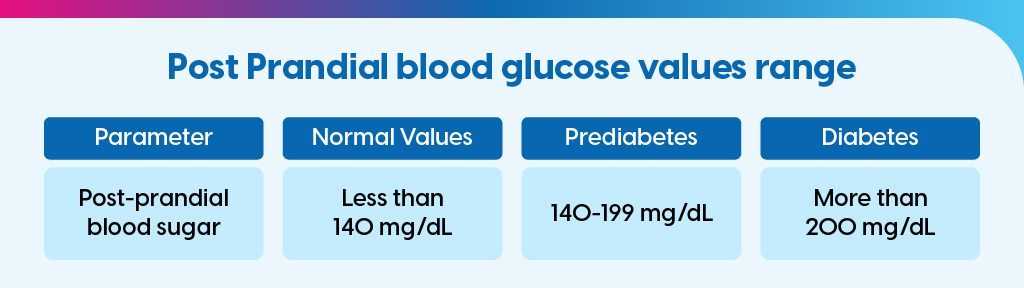
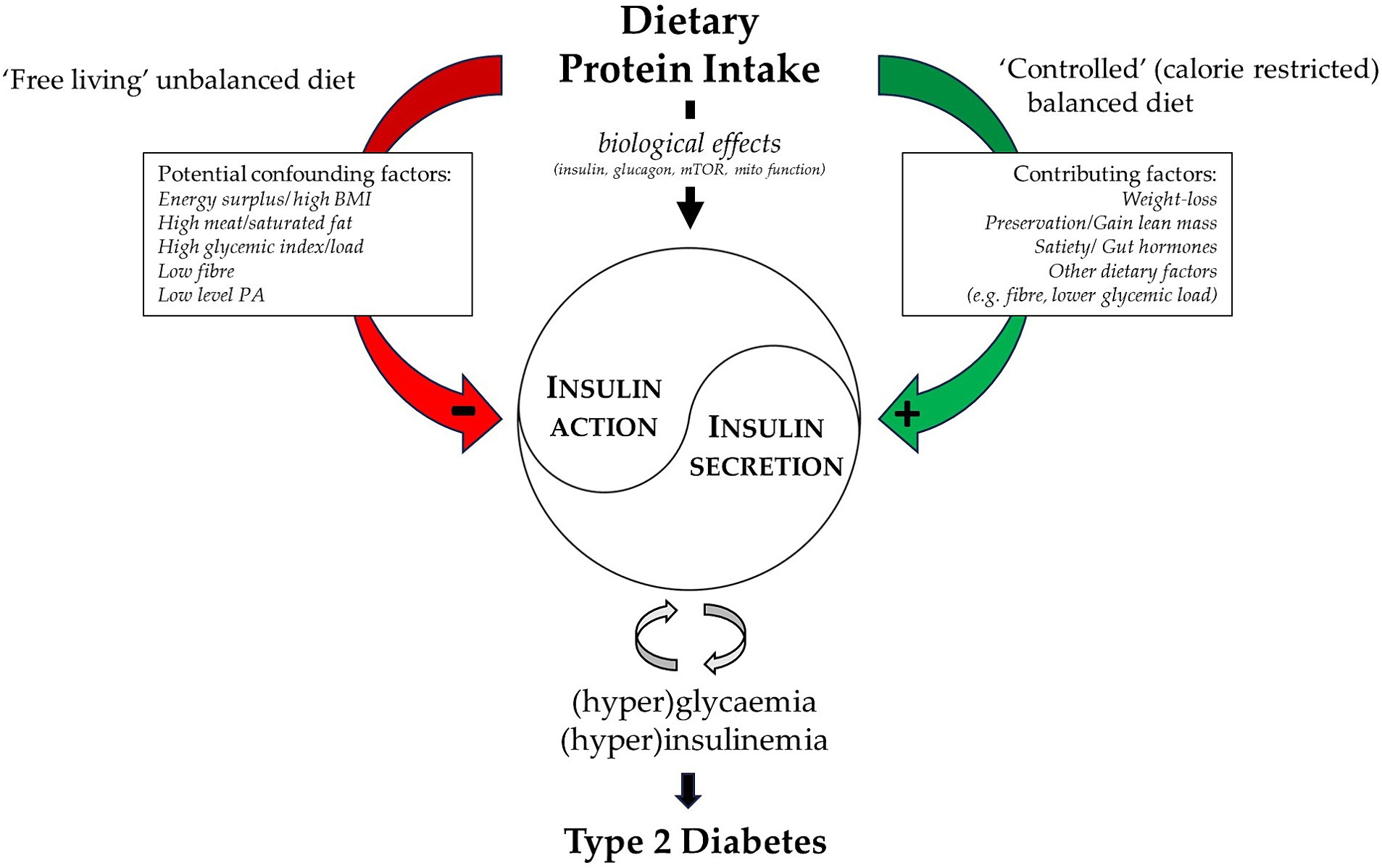
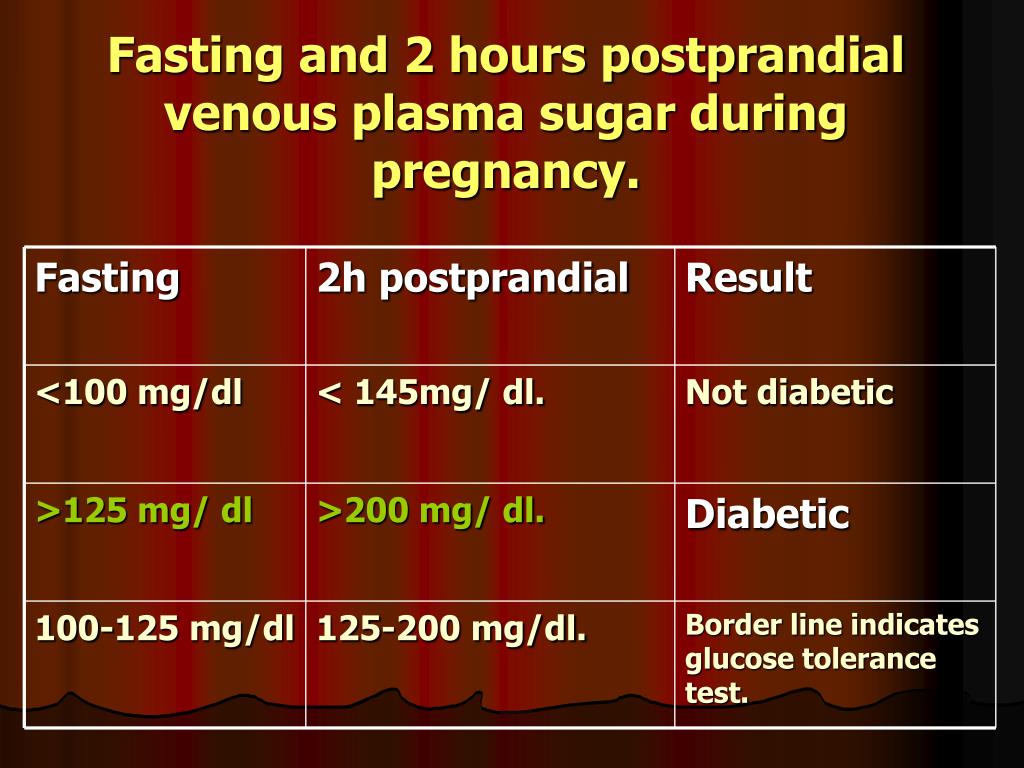
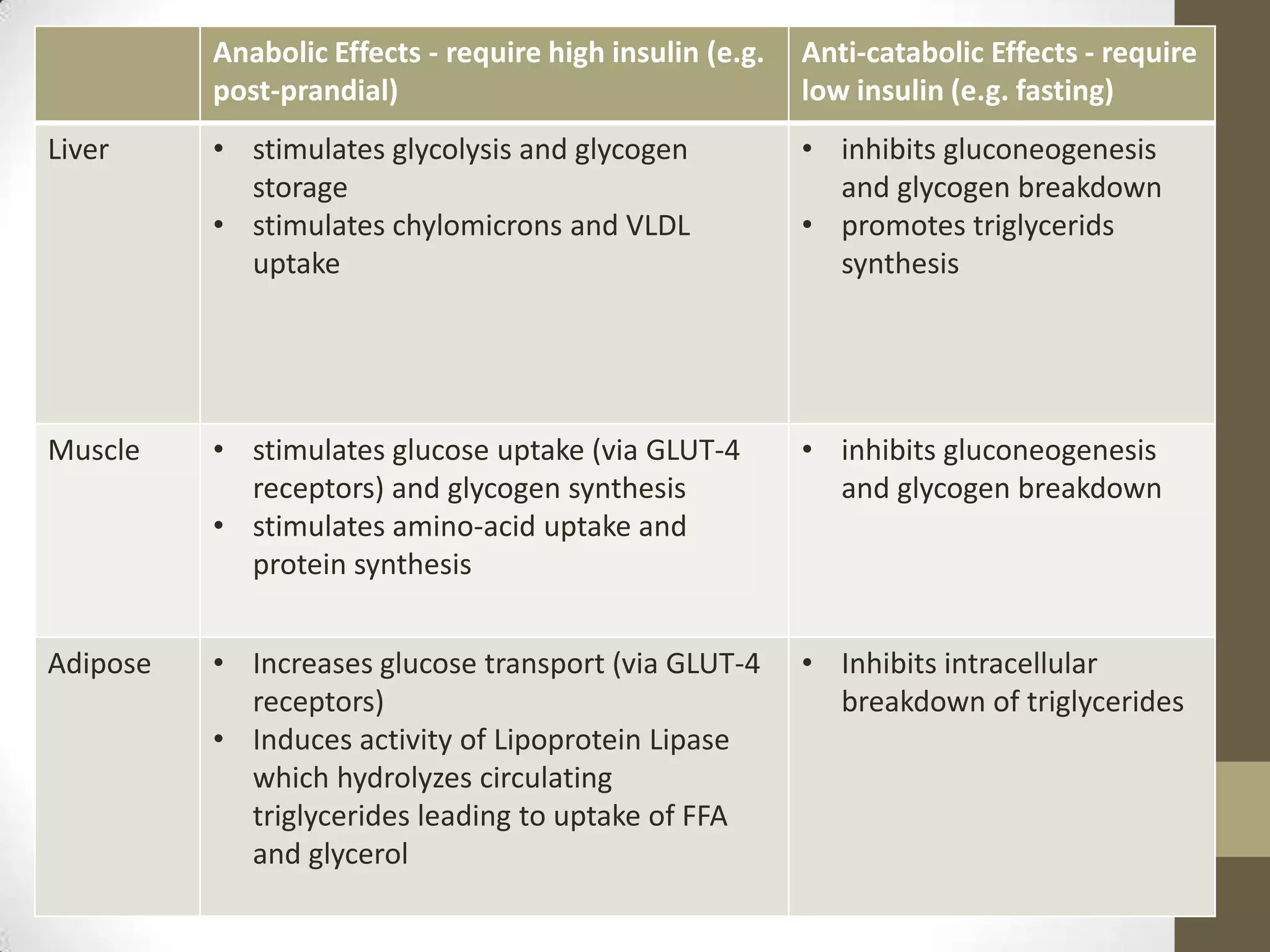
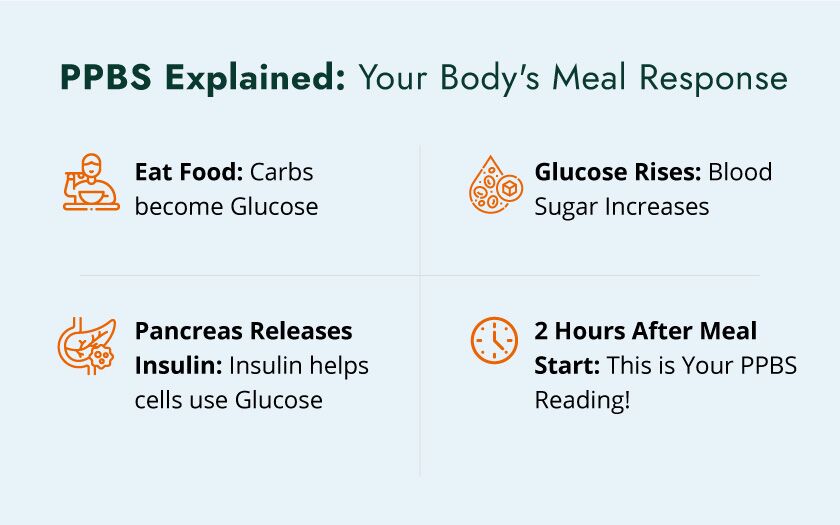
The management of blood sugar levels after meals, known as postprandial glucose control, is a crucial aspect of maintaining optimal health and preventing diabetes complications. Postprandial hyperglycemia, or the rise of blood glucose levels after eating, can have serious health implications, including increased risk of cardiovascular disease and type 2 diabetes. Recent studies have highlighted the importance of understanding the effects of protein on postprandial glucose and insulin responses, and the potential role of protein in managing blood sugar levels.
The Role of Protein in Postprandial Glucose and Insulin Responses
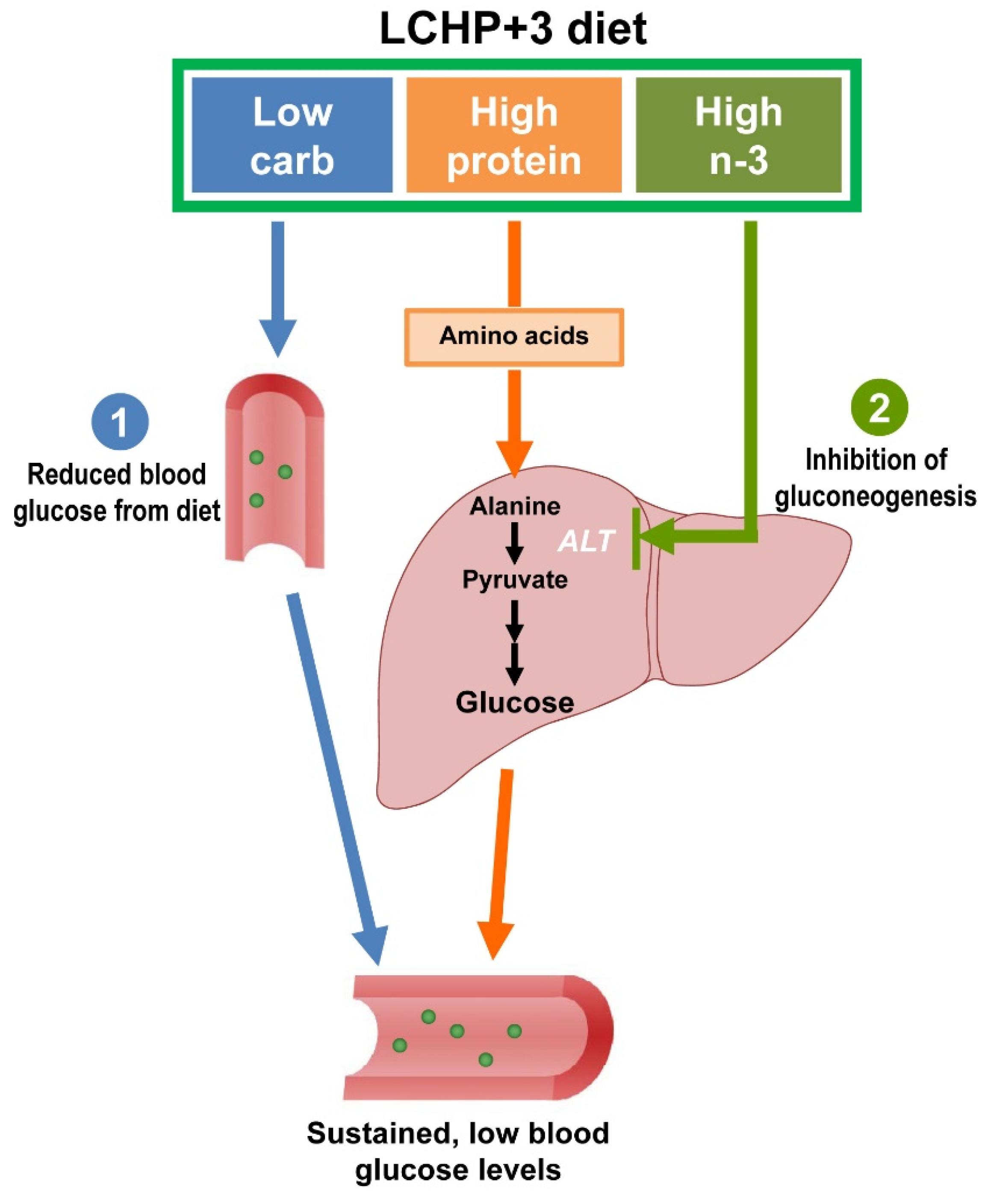
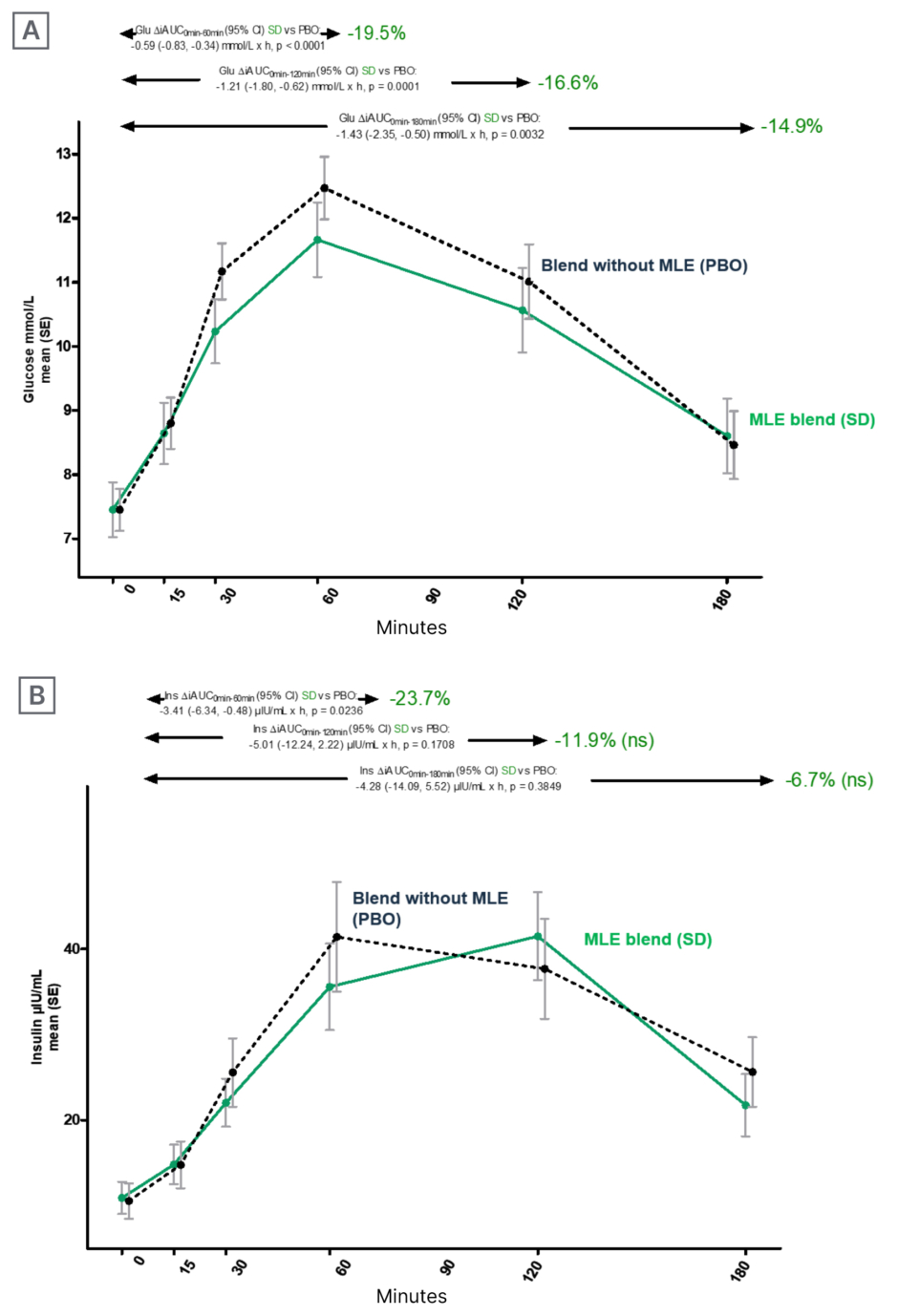
Protein has a unique ability to modulate postprandial glycemic responses, making it a potential tool for managing blood sugar levels. Research has shown that protein can slow down gastric emptying, reduce the peak blood glucose levels after meals, and improve insulin sensitivity. The type and dose of protein consumed can also influence postprandial glucose and insulin responses, with some studies suggesting that high-protein meals can be beneficial for blood sugar control.

Postprandial Blood Glucose and Insulin Sensitivity
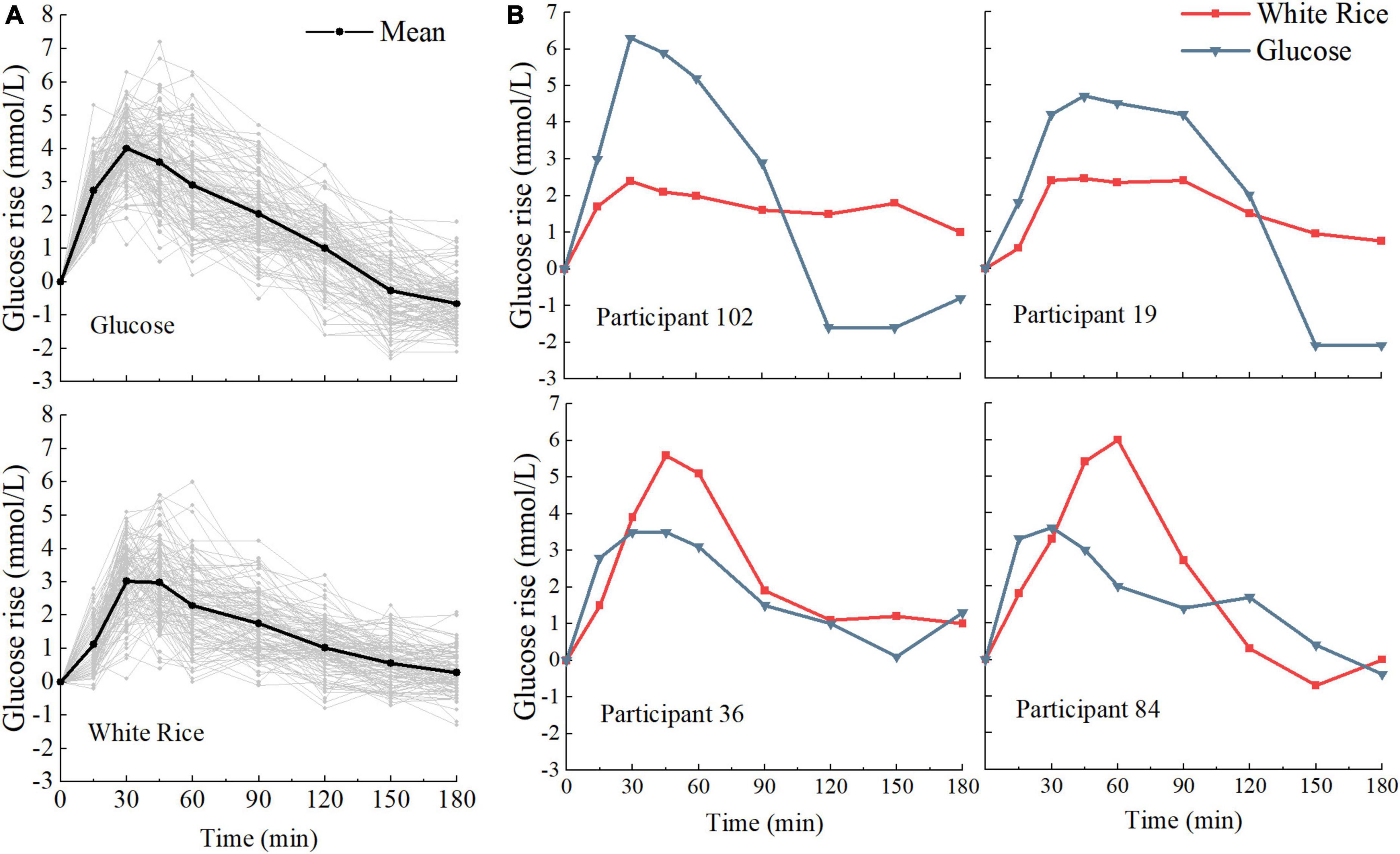
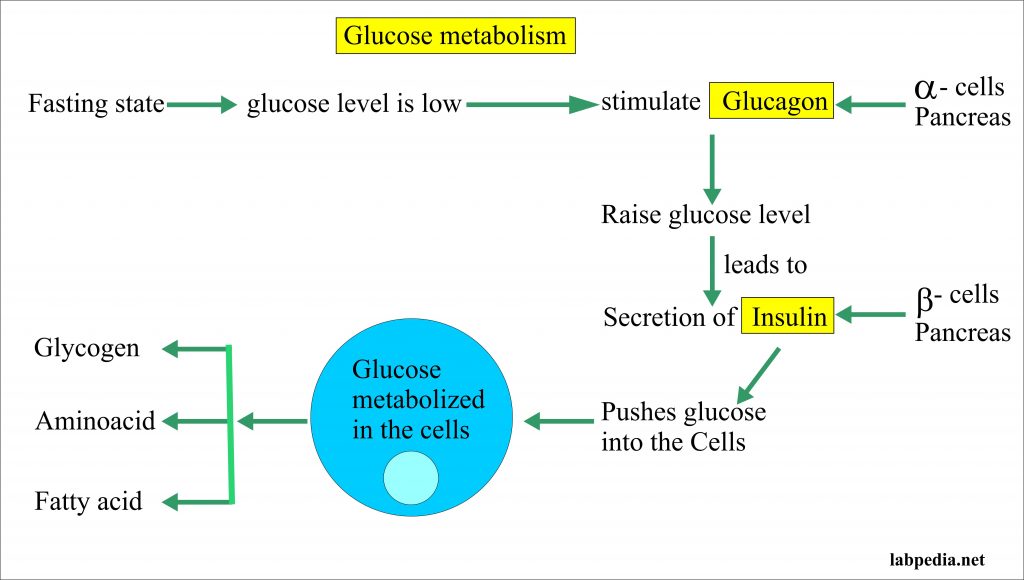
Postprandial blood glucose levels are influenced by a complex interplay of factors, including the type and amount of carbohydrates consumed, the presence of protein and fat, and individual factors such as age, sex, and physical activity level. Insulin sensitivity, which is the body's ability to use insulin effectively, is also affected by postprandial blood glucose levels, with impaired insulin sensitivity contributing to the development of type 2 diabetes.