Unlocking the Power of GLP-1 Therapy for Body Weight Management Improvement
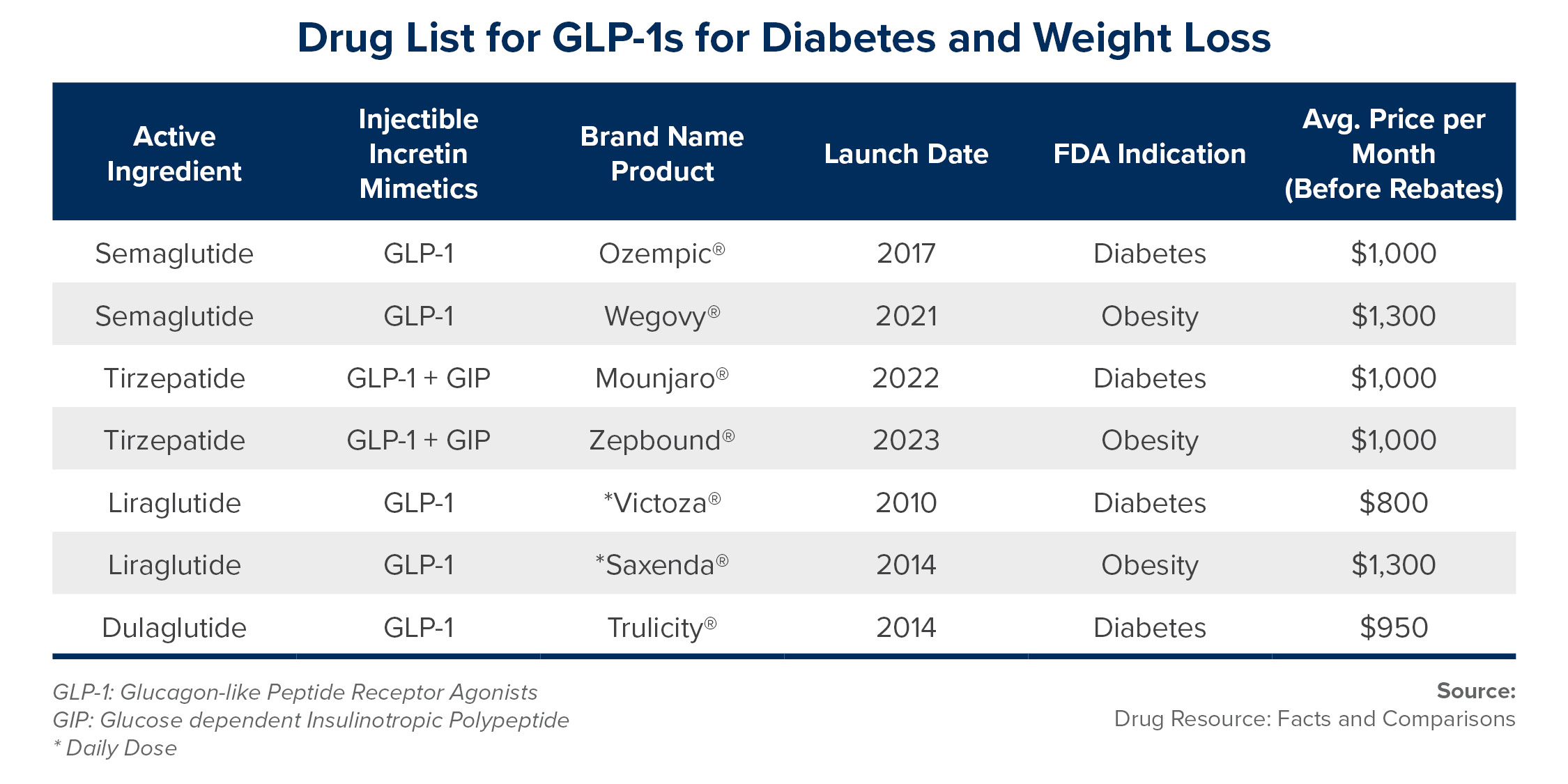
Glucagon-like peptide-1 (GLP-1) therapeutics have revolutionized the field of obesity management, providing a promising new era for weight loss and metabolic improvement. Since the introduction of GLP-1 agonists, such as semaglutide, the segment has witnessed a rapid growth in adoption for weight loss therapy, transforming traditional approaches to body weight management.
How GLP-1 Therapies Work
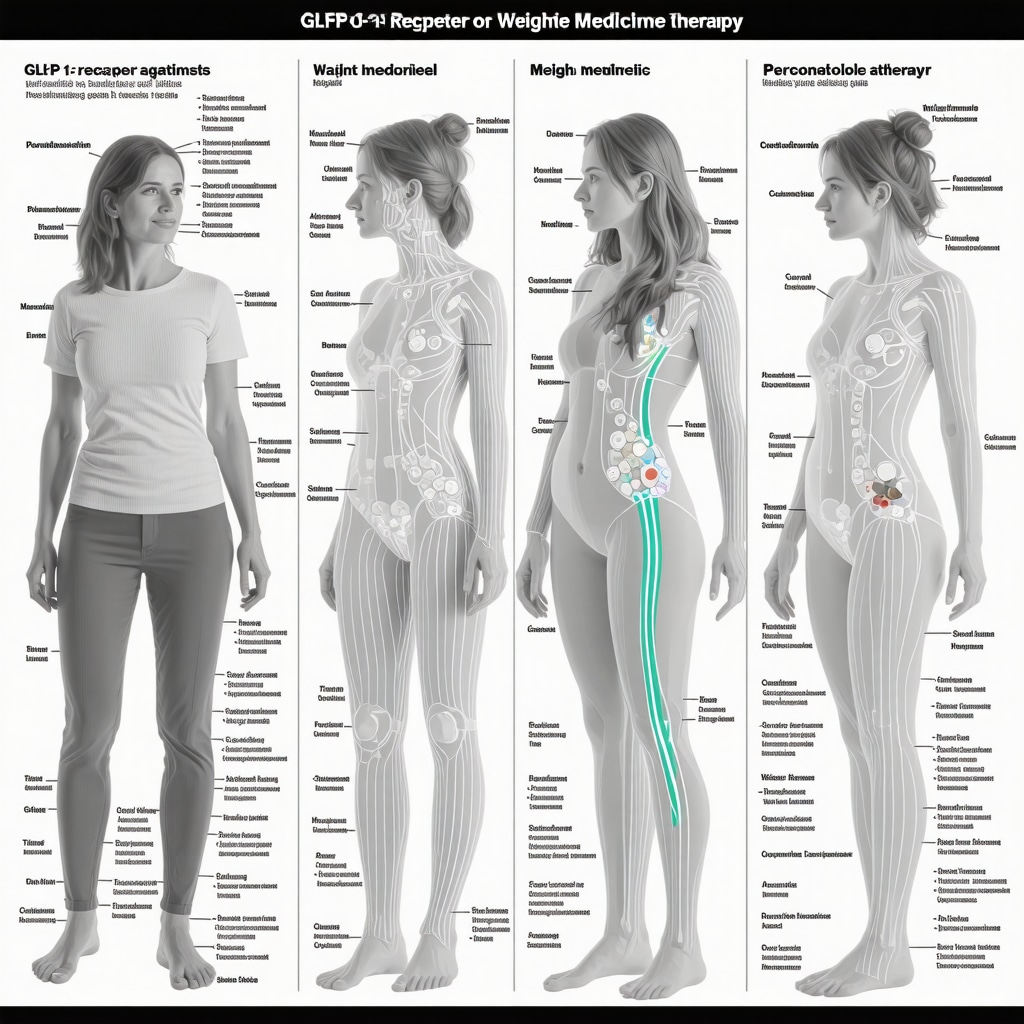
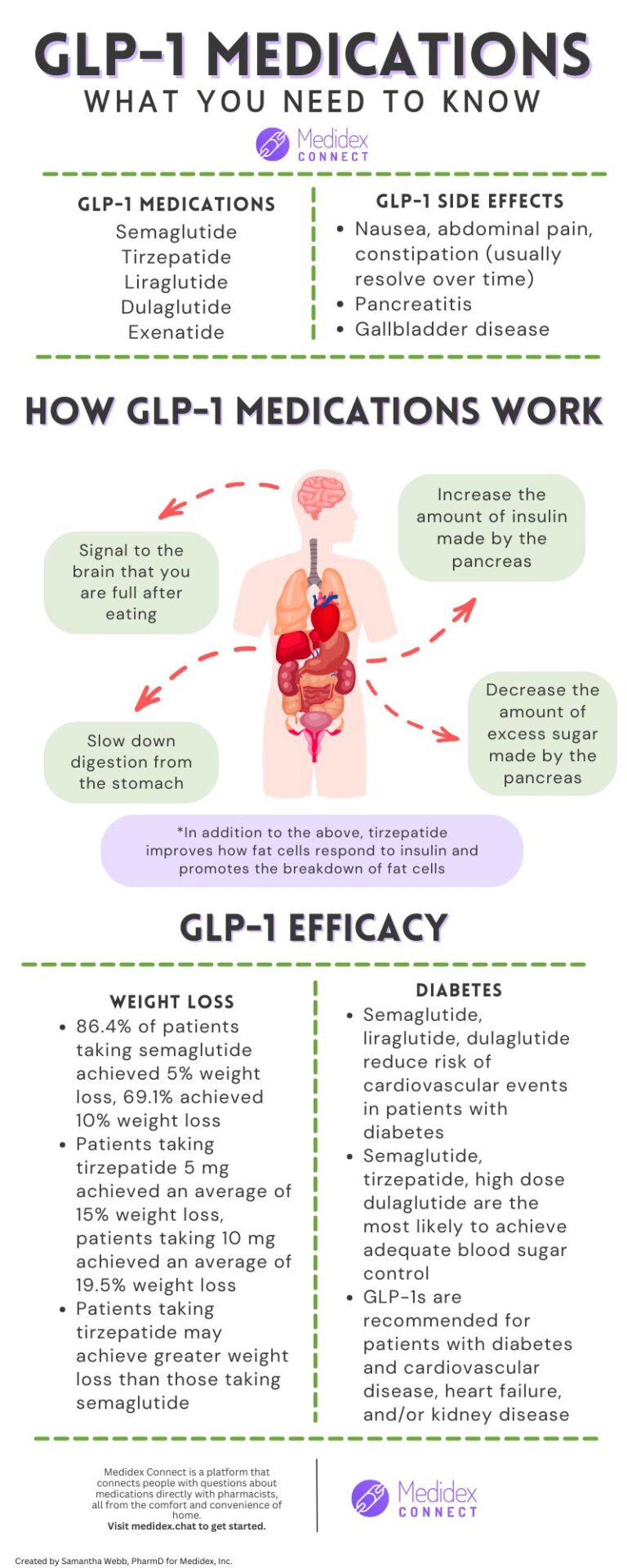
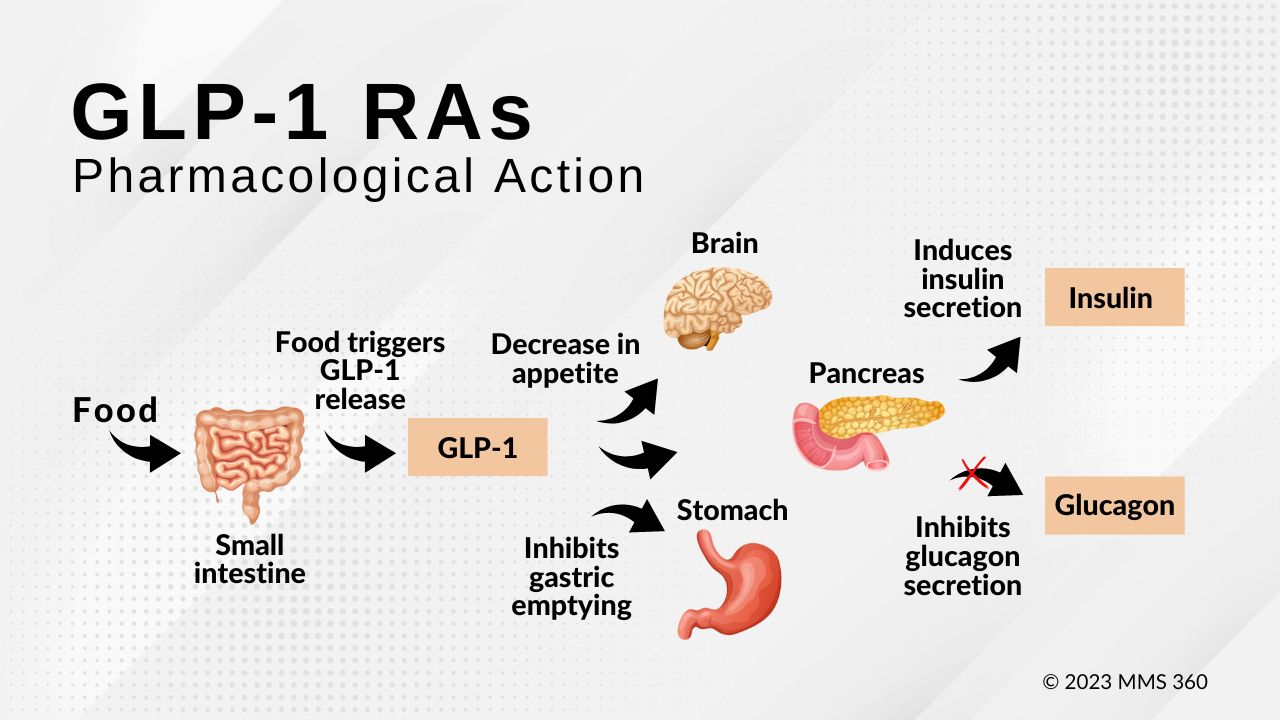
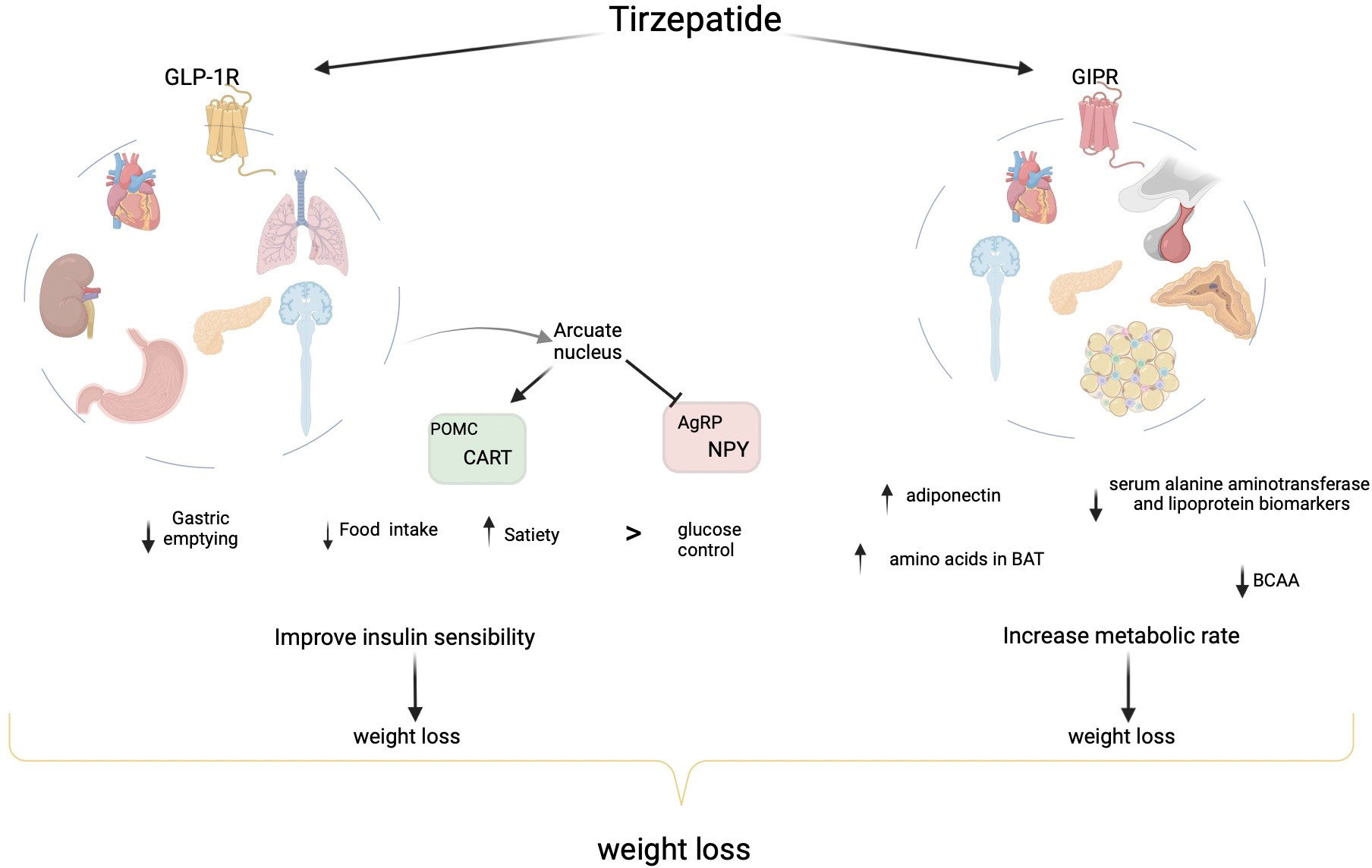
GLP-1 receptor agonists mimic the natural GLP-1 hormone, which regulates blood sugar and appetite, simultaneously improving glucose metabolism and enhancing weight loss efficacy. Originally developed for type 2 diabetes management, GLP-1 therapies have undergone significant expansion, with growing acceptance in the medical community for the treatment of obesity and weight loss.
Benefits of GLP-1 Treatment

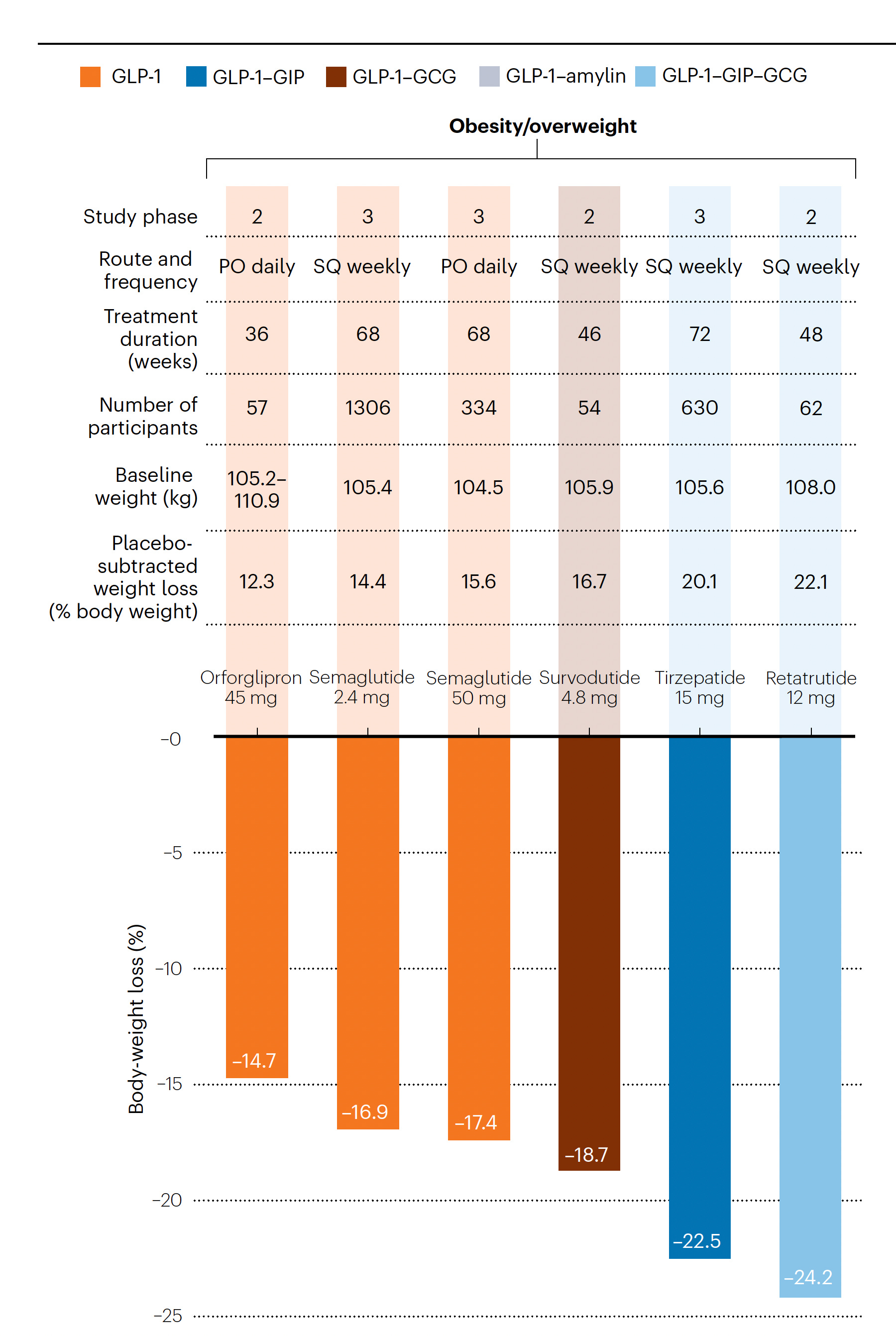
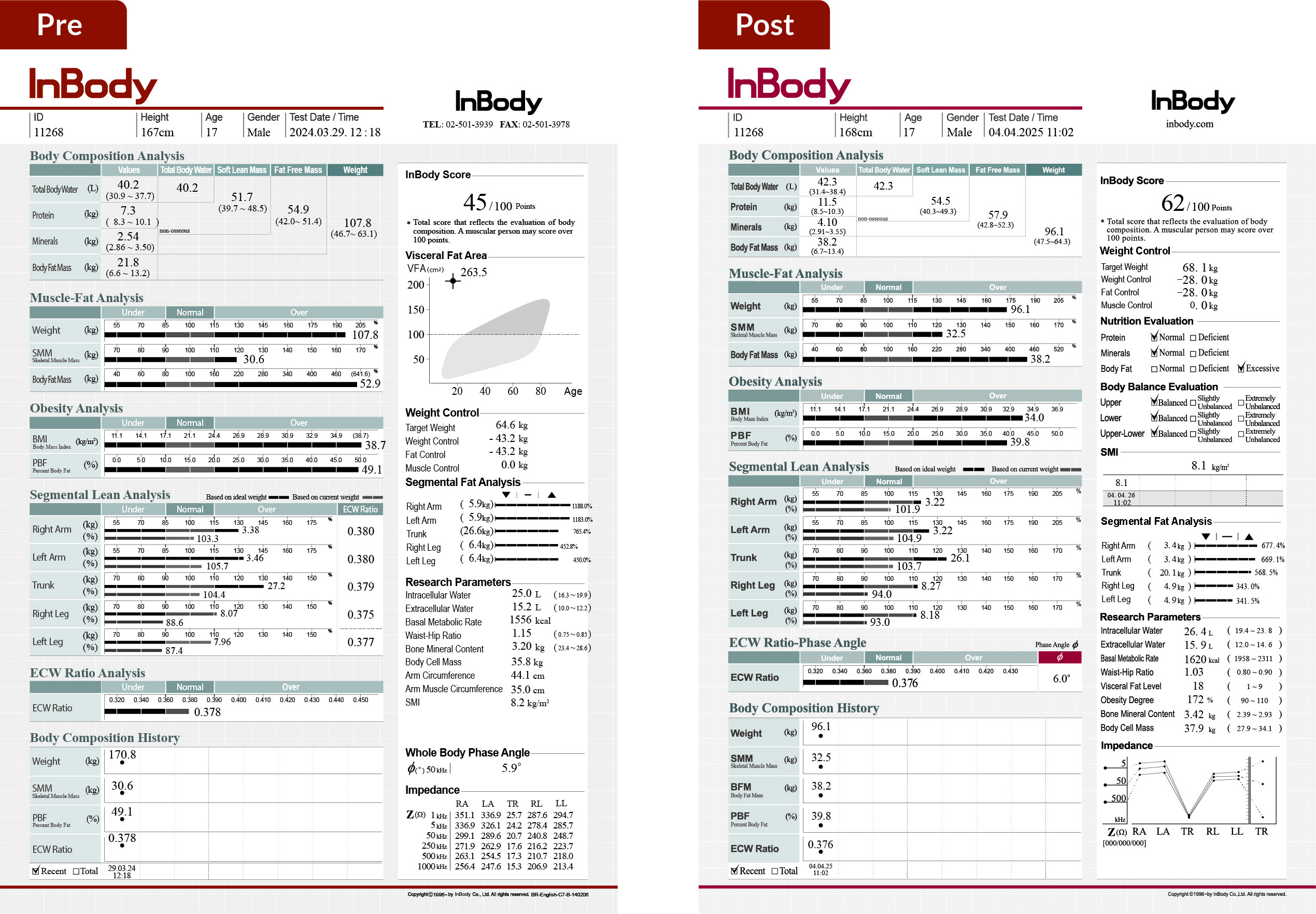
- Improved weight loss: GLP-1 therapies have been shown to achieve average placebo-adjusted weight reductions of 5-18% in clinical trials, along with better metabolic, functional, and cardiovascular outcomes.
- Metabolic improvement: GLP-1 medications have the power to regulate blood sugar and enhance glucose metabolism, significantly impacting patient health.
- Reduced appetite: By stimulating GLP-1 receptors, these medications control hunger, reducing calorie intake and leading to sustainable weight loss results.
Challenges and Concerns
Despite the significant benefits of GLP-1 therapy for weight loss and metabolic improvement, there are challenges and concerns that patients and healthcare providers need to address: