Export Control and Licensing: A Guide for Global Businesses
The export of goods, technology, and services from the United States is subject to a comprehensive system of control and licensing regulations. The importance of export control and licensing cannot be overstated, as failure to comply with regulations can result in severe penalties, fines, and reputational damage. In this article, we will explore the world of export control and licensing, providing a comprehensive guide for businesses engaging in global commerce.
What is Export Control and Licensing?
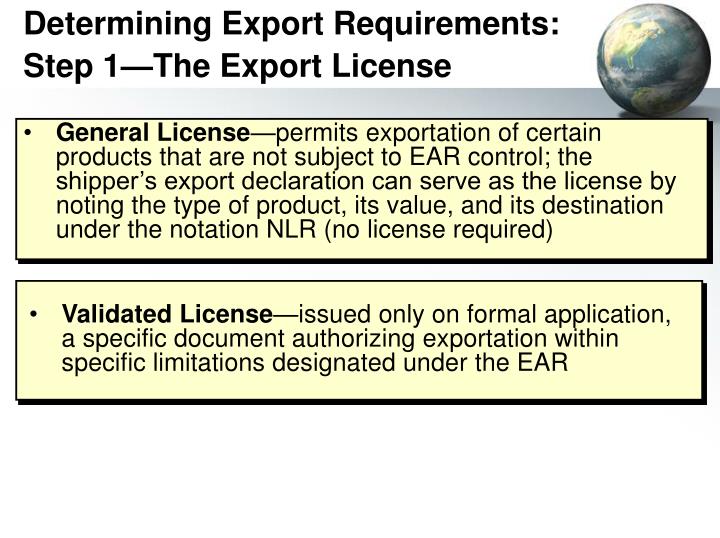
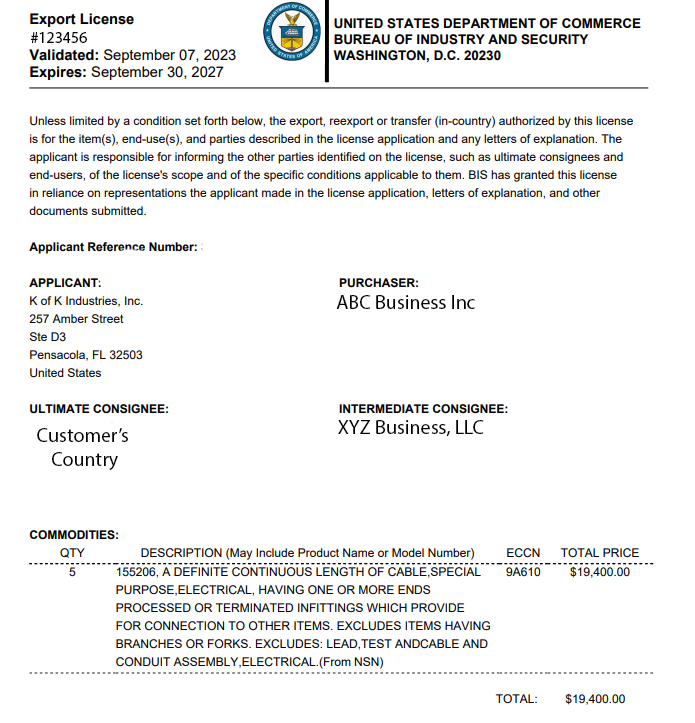
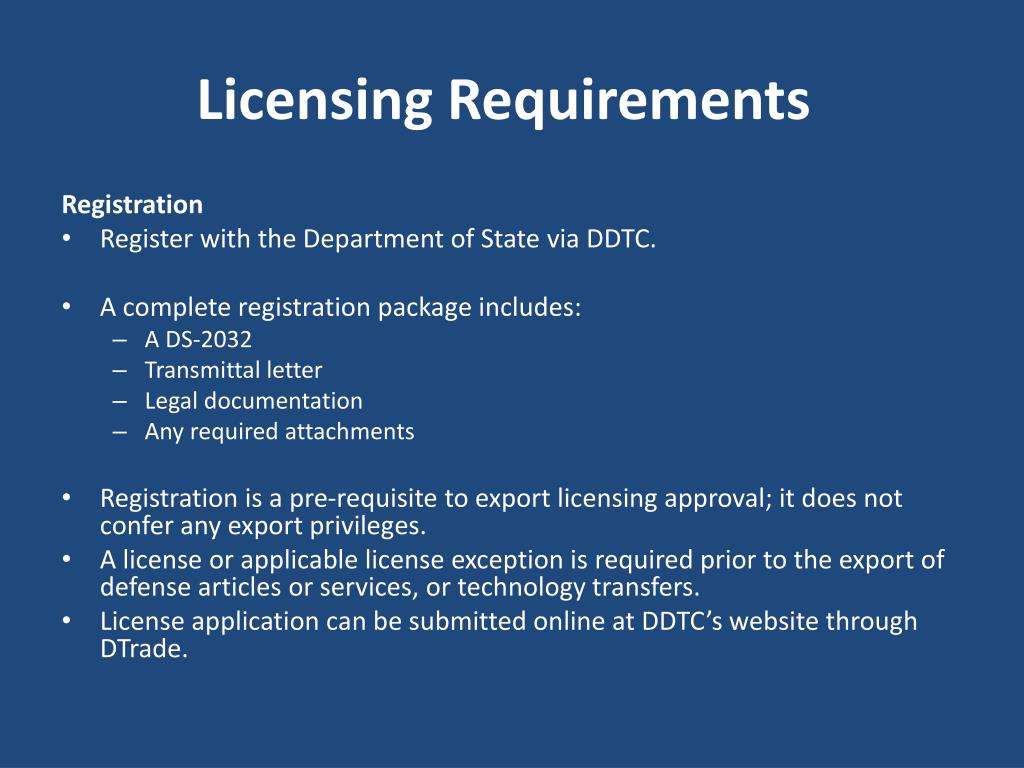
Export control and licensing refer to the legal authorization required to export certain goods, technology, or services. It ensures compliance with export control regulations, protects national security, and prevents illegal trade activities. An export license is a government-issued document that authorizes the export of specific goods or technologies to a foreign country, ensuring compliance with federal regulations and safeguarding national security.

The Three Key Agencies
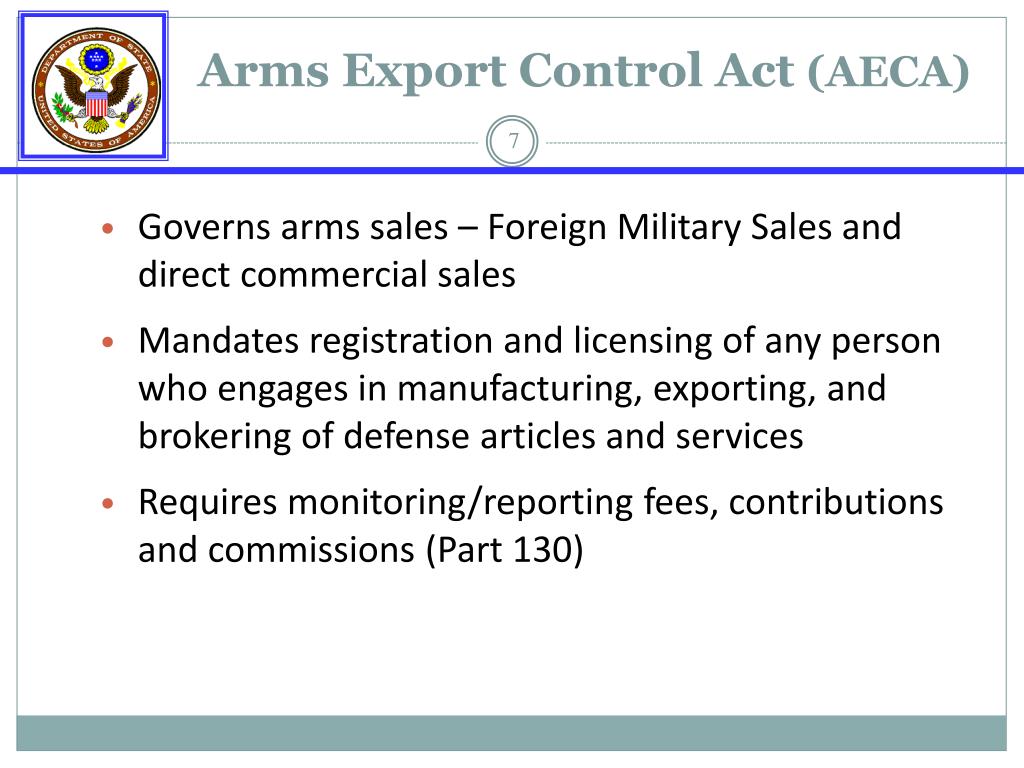
Three key agencies are responsible for enforcing export control regulations: the Commerce Department's Bureau of Industry and Security (BIS), the State Department's Directorate of Defense Trade Controls (DDTC), and the Treasury Department's Office of Foreign Assets Control (OFAC). Each agency has distinct responsibilities and regulates specific types of exports. Understanding their roles is essential for businesses navigating the complex landscape of export control and licensing.