GLP-1 Therapy for Post-Treatment: A Comprehensive Overview
Glucagon-like peptide-1 (GLP-1) receptor agonists have revolutionized the treatment of diabetes and obesity, offering remarkable benefits in weight loss and glycemic control. However, as patients discontinue GLP-1 therapy, concerns arise about the potential for metabolic and cardiovascular rebound. In this article, we will delve into the world of GLP-1 therapy for post-treatment, discussing the implications of discontinuation, weight regain, and cardiovascular consequences.
The Science Behind GLP-1 Therapy
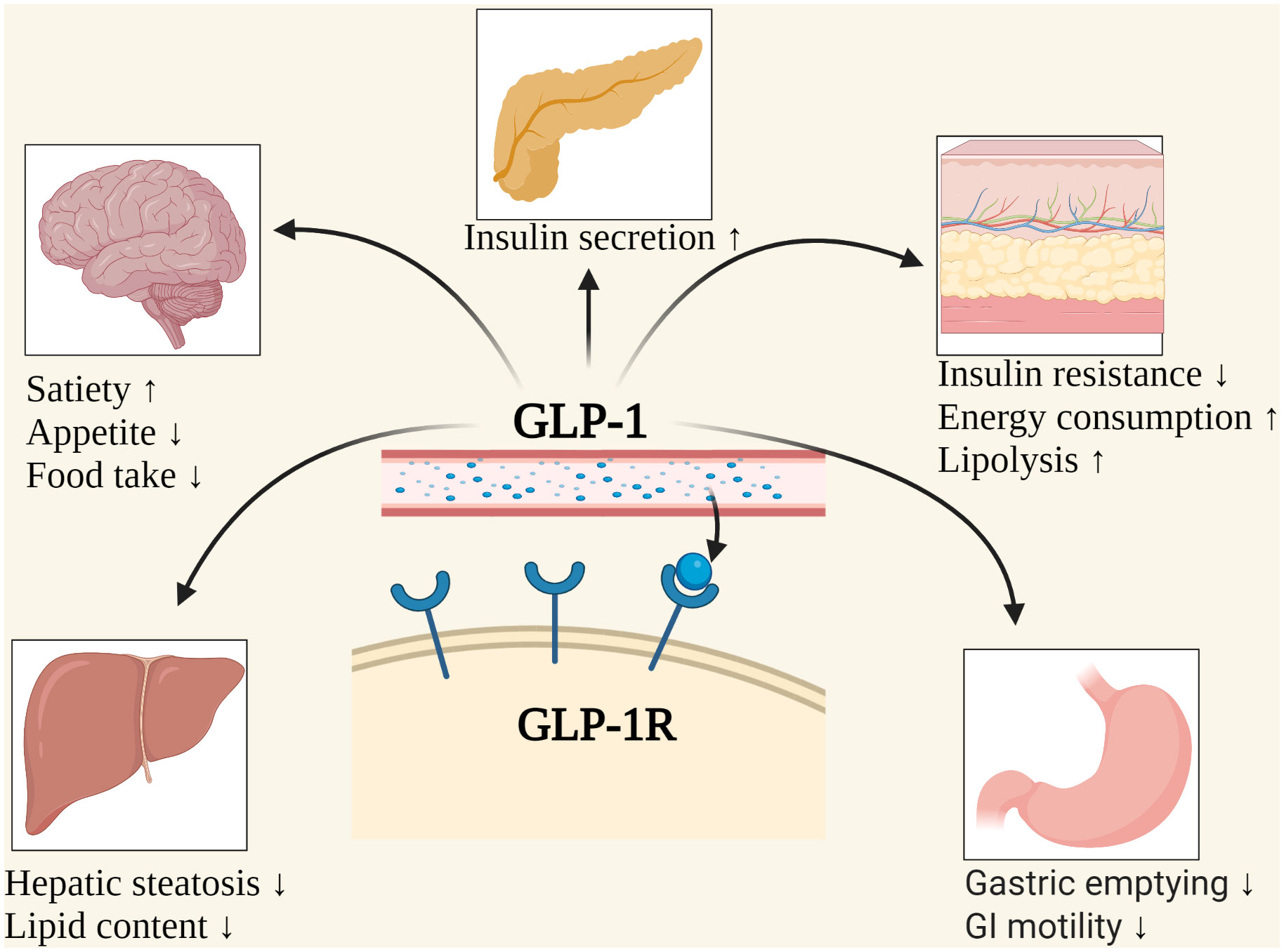
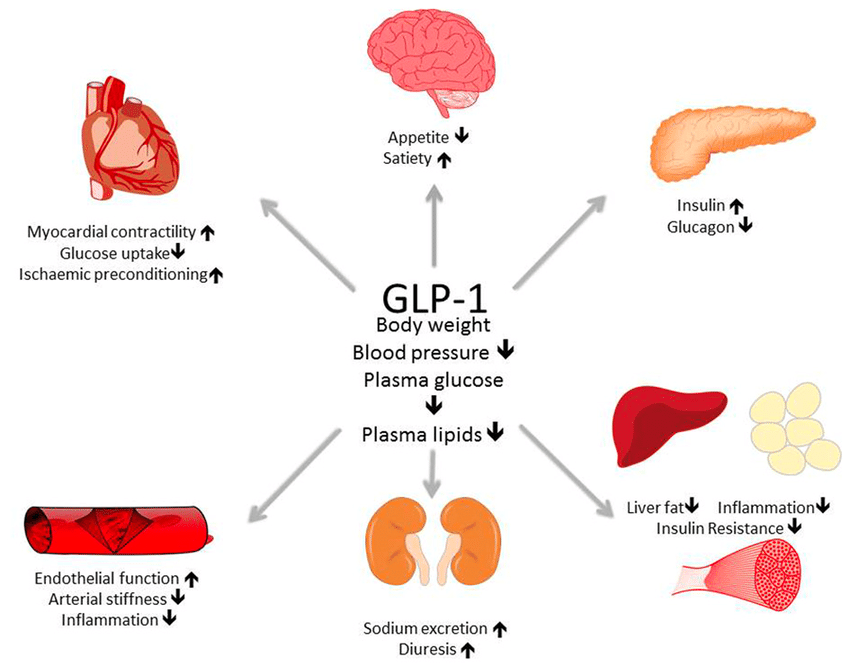
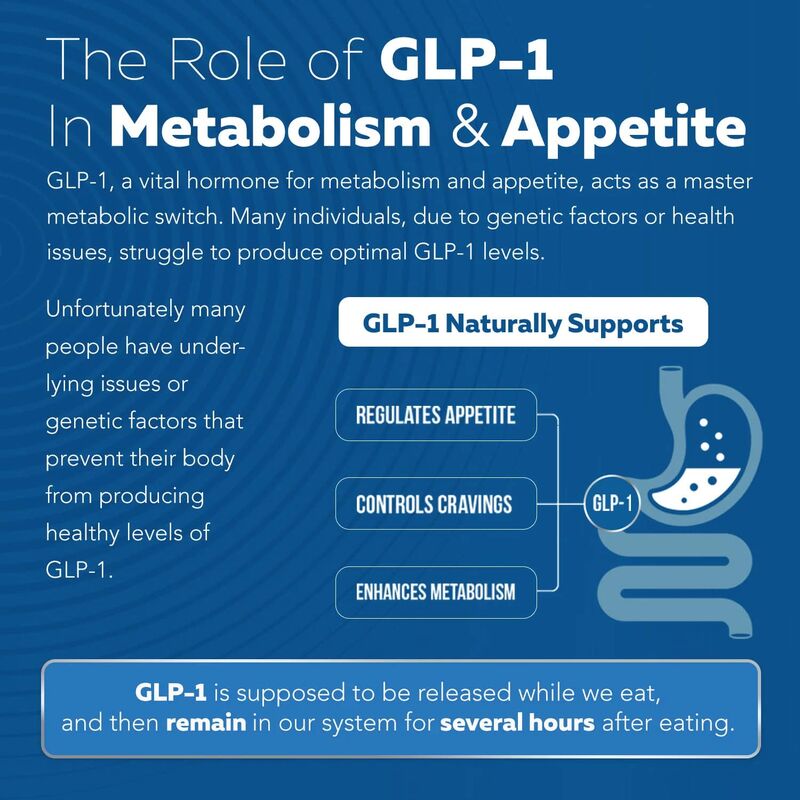
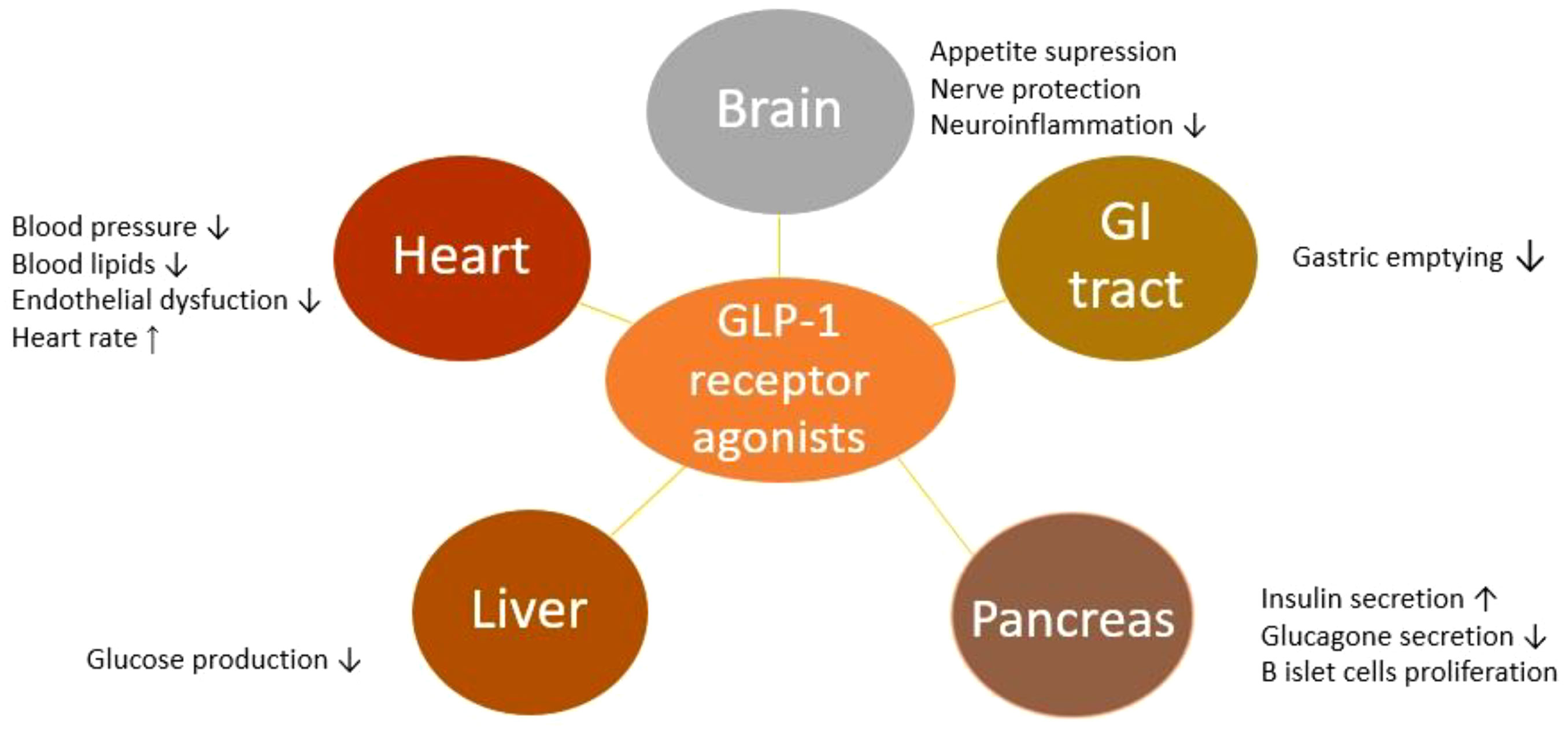
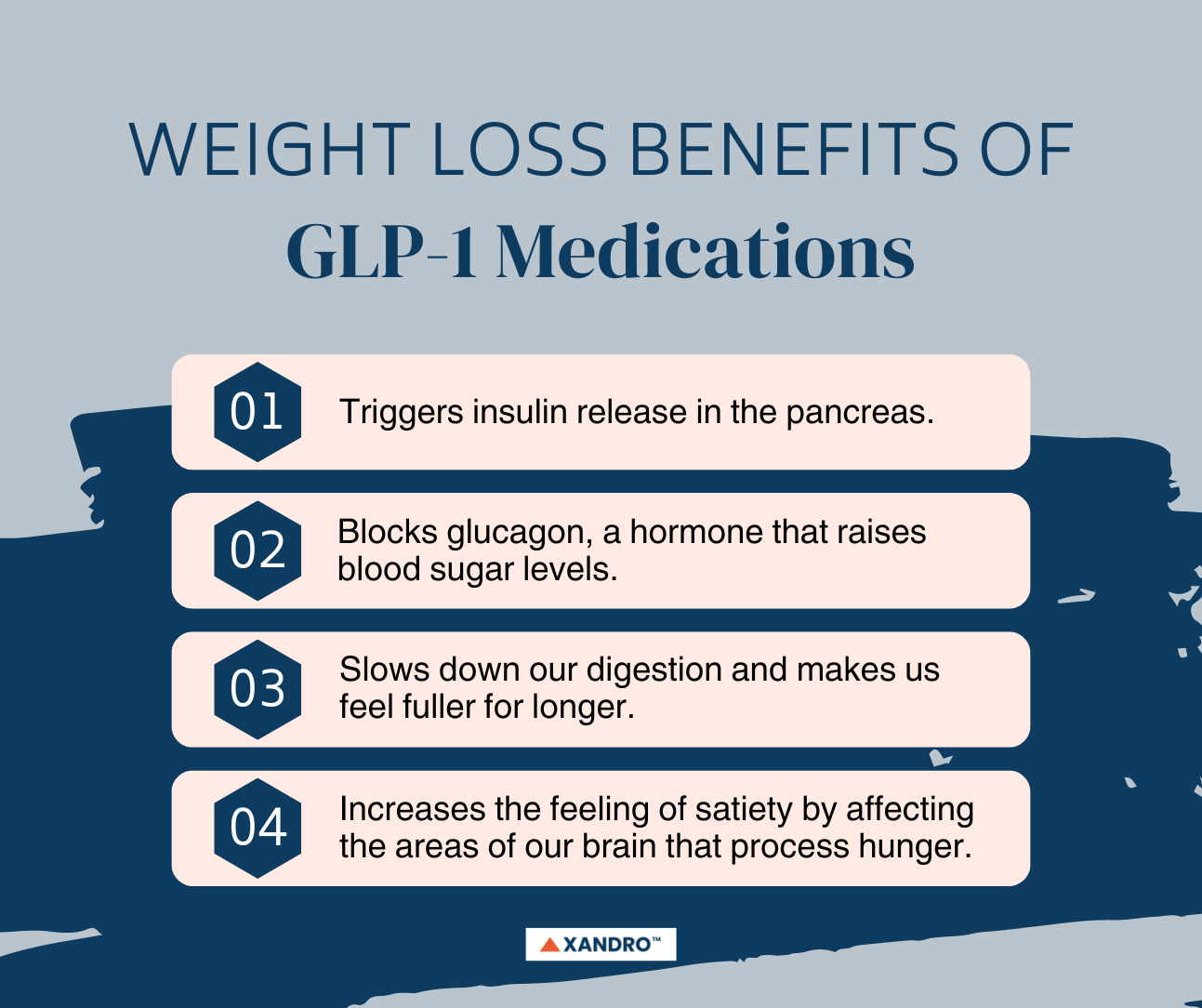
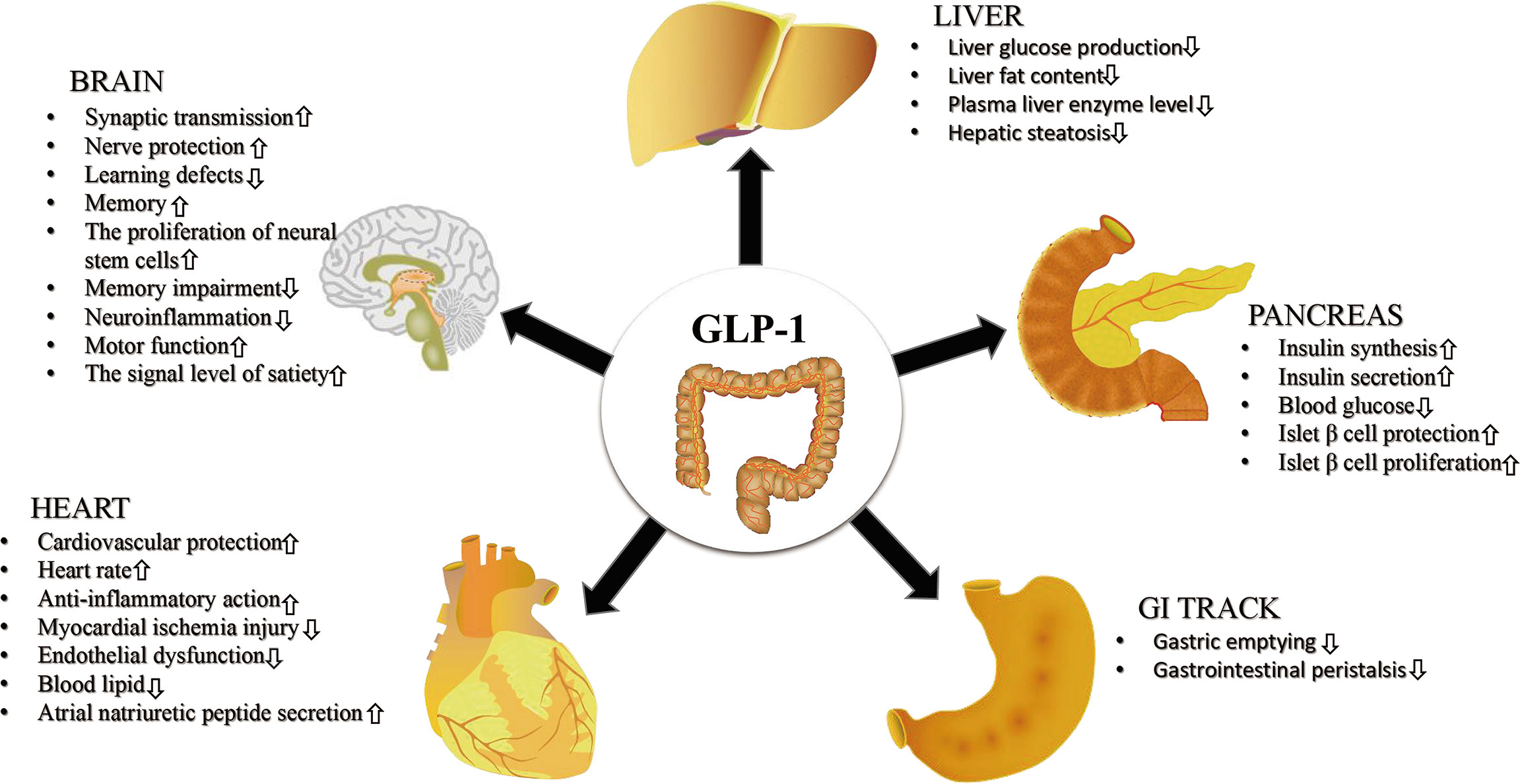
GLP-1 receptor agonists mimic the effects of the naturally occurring glucagon-like peptide-1 hormone, which plays a crucial role in regulating blood sugar levels and appetite. These medications suppress appetite and enhance glucose-dependent insulin secretion, making them an effective treatment for type 2 diabetes and obesity. However, the accelerated breakdown of muscle mass during GLP-1 therapy is a significant challenge, particularly when protein intake falls below needs.
Discontinuation of GLP-1 Therapy: A Growing Concern
Researchers have reported that stopping GLP-1 therapy, even briefly, is associated with a measurable increase in the risk of major adverse cardiovascular events in adults with type 2 diabetes. A cohort study of more than 300,000 individuals found that interrupting or discontinuing GLP-1 therapy was linked to higher rates of major adverse cardiovascular events compared to continuous treatment. These findings underscore the importance of long-term planning and sustained treatment strategies.