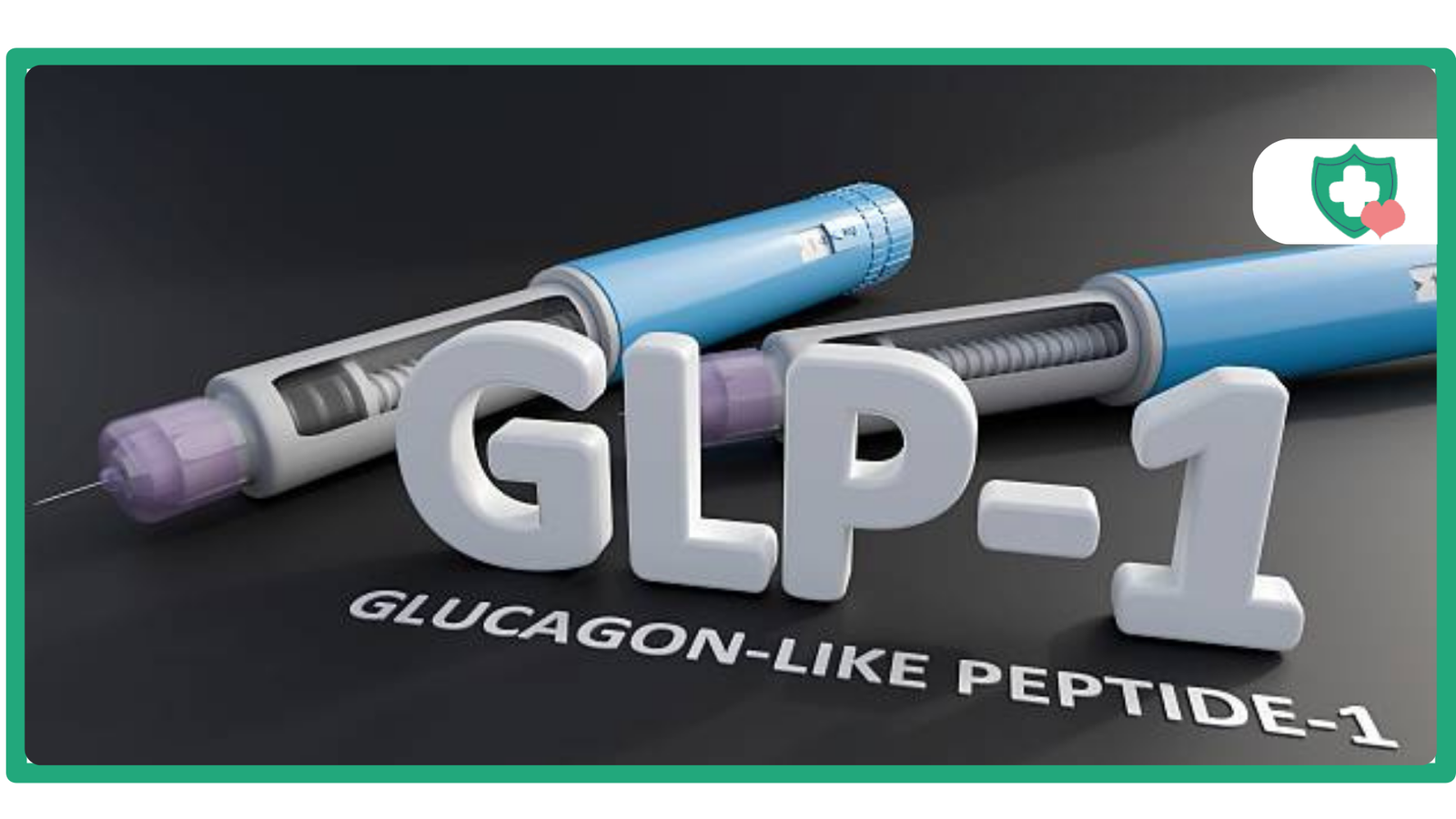
GLP-1 Weight Loss Medication Safety: What You Need to Know
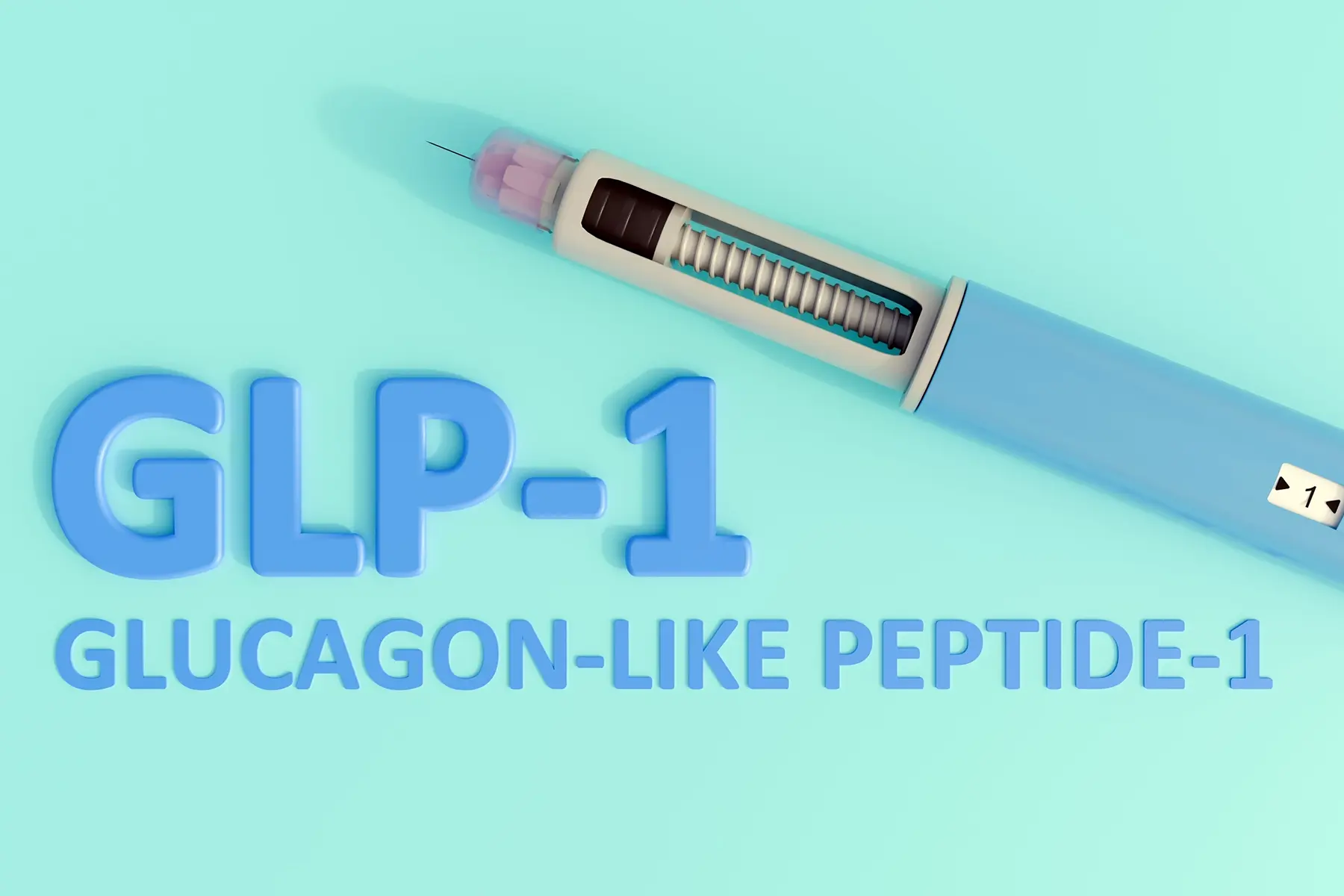
GLP-1 weight loss medication safety has become a topic of growing concern in recent years. These medications, which work by targeting glucagon-like peptide-1 (GLP-1) receptors in the body, have been shown to be effective in promoting weight loss and improving glycemic control in individuals with obesity and type 2 diabetes.
How GLP-1 Medications Work
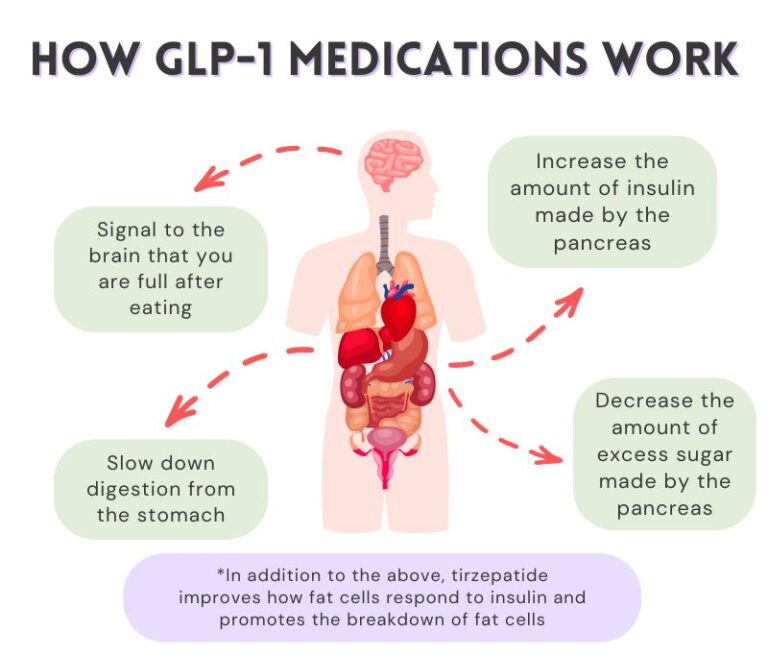
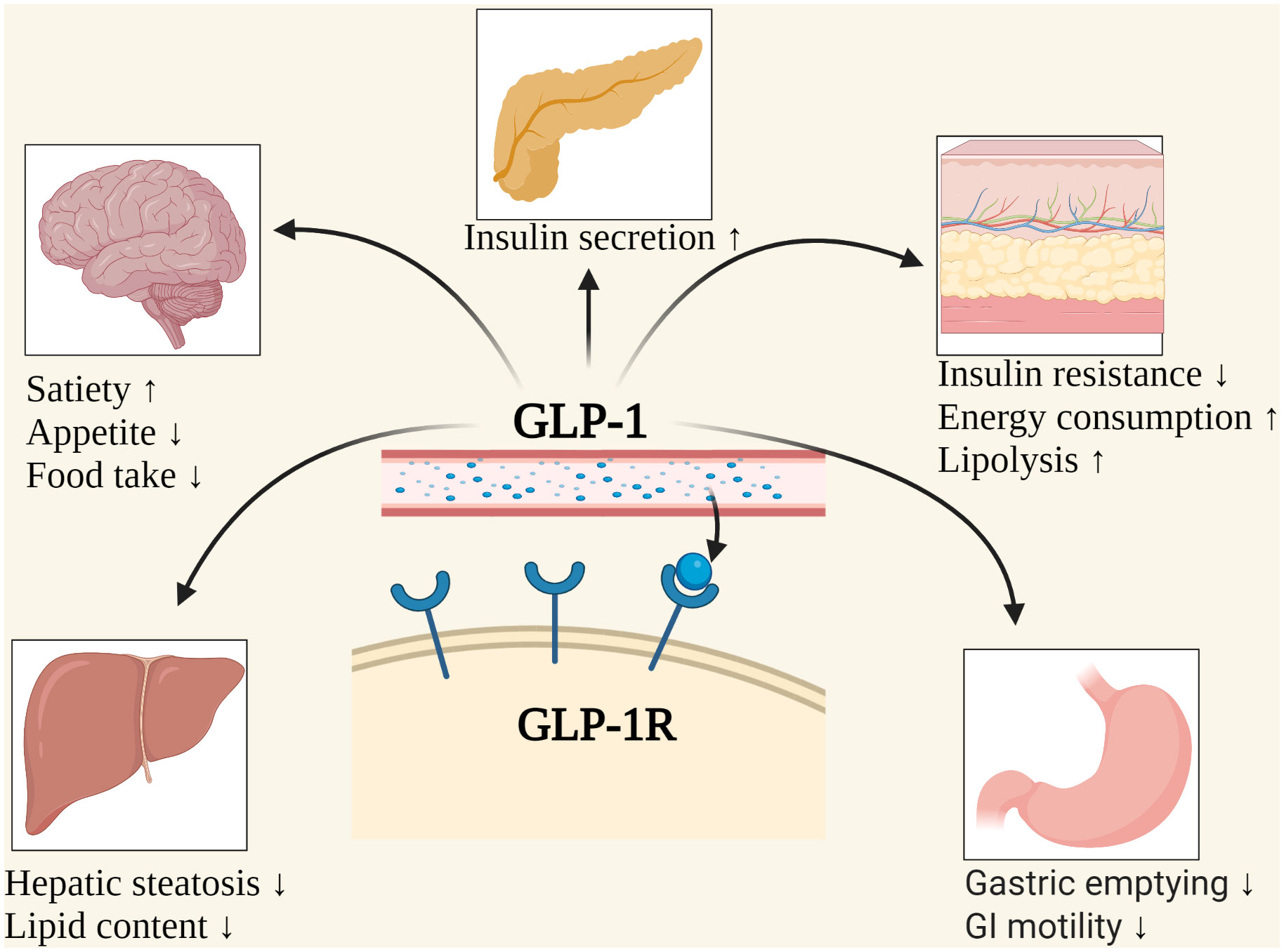
GLP-1 receptor agonists mimic the action of the incretin hormone GLP-1, which is naturally produced in the intestines. This hormone plays a key role in regulating blood sugar levels by stimulating insulin release and slowing gastric emptying. For weight loss, the mechanism centers on appetite suppression and reduced food intake.
Long-Term Efficacy and Safety of GLP-1 Medications
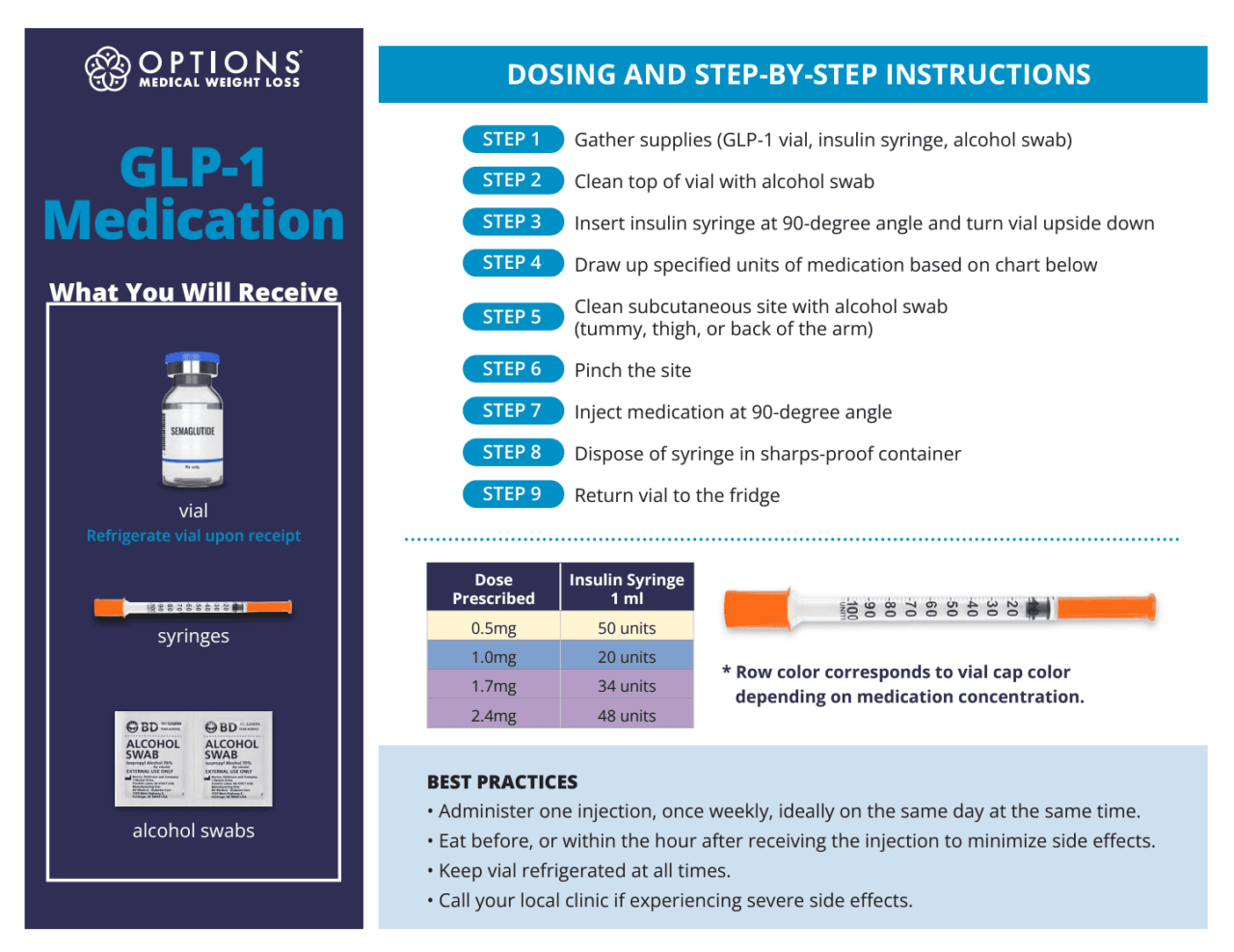
A recent systematic review evaluated the long-term efficacy and safety of GLP-1 receptor agonists in the management of obesity. The review synthesized data from high-quality randomized controlled trials published between 2018 and 2025. The results showed that GLP-1 medications were associated with significant weight loss and improved glycemic control, with a low risk of adverse events.
Risks and Side Effects of GLP-1 Medications
While GLP-1 medications have been shown to be effective, they are not without risks and side effects. Some of the most common side effects include nausea, vomiting, diarrhea, and constipation. More serious side effects can occur, including pancreatitis, kidney issues, and muscle loss. It's essential to discuss the potential risks and benefits of GLP-1 medications with your healthcare provider before starting treatment.