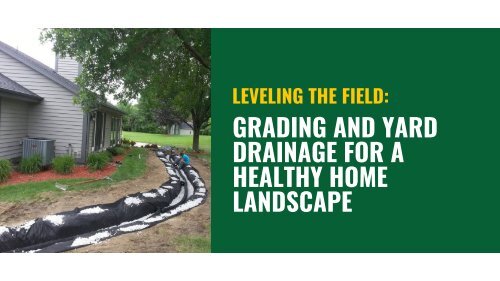
Understanding Grading and Drainage Systems: The Key to Successful Land Development Projects
Grading and drainage systems are essential components of successful land development projects. They prevent flooding, control erosion, ensure compliance with regulations, enhance site aesthetics, and reduce long-term maintenance costs. In this article, we will delve into the world of grading and drainage systems, exploring their importance, benefits, and how they can be implemented effectively.
The Importance of Grading and Drainage Systems
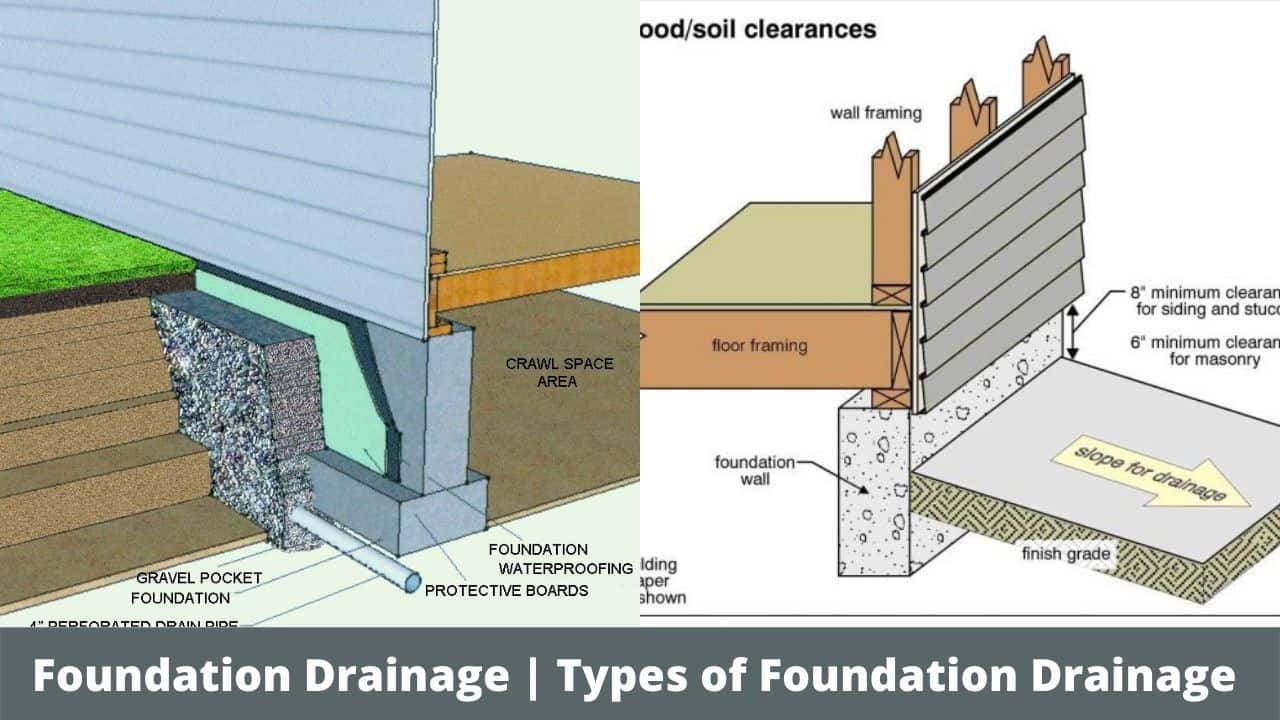
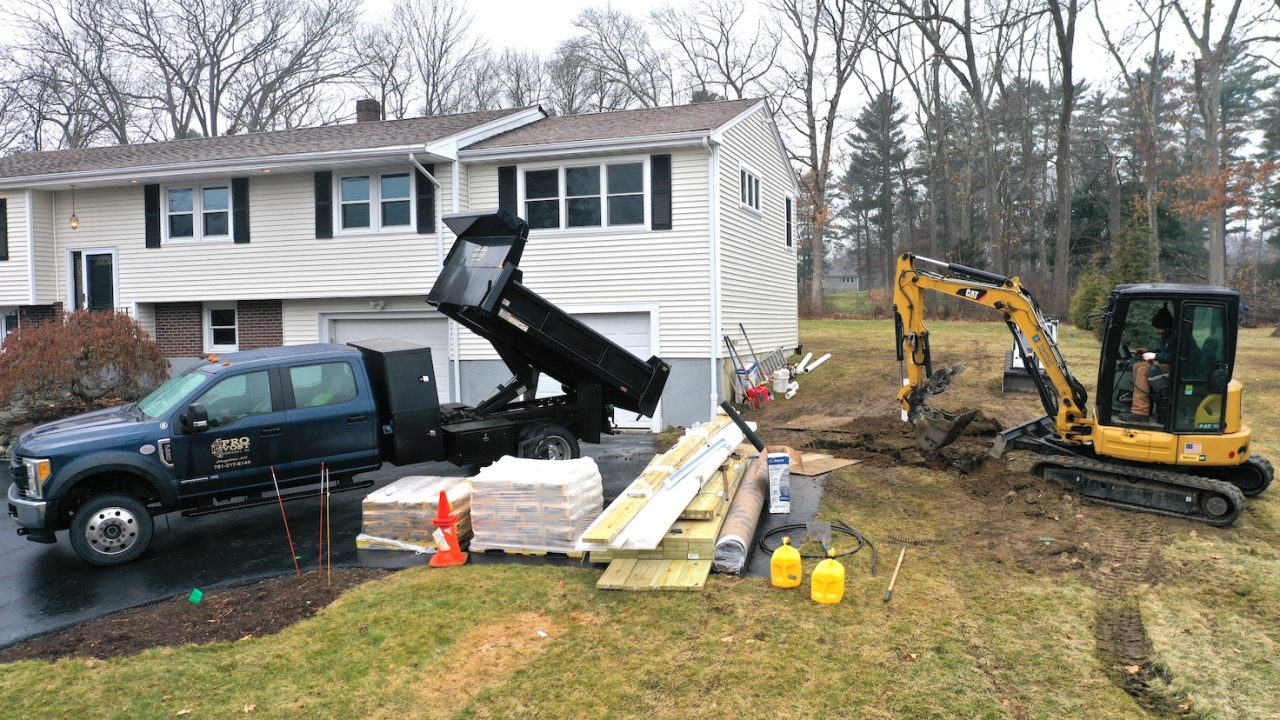
Proper land grading is an essential aspect of landscape design and construction that significantly impacts drainage, soil stability, and the overall health of your property. Whether you're preparing a site for a new home, managing stormwater runoff, or simply trying to improve your yard's functionality, understanding land grading can help you prevent water problems, protect your foundation, and ensure a safe and stable environment.

What is Grading and Drainage?
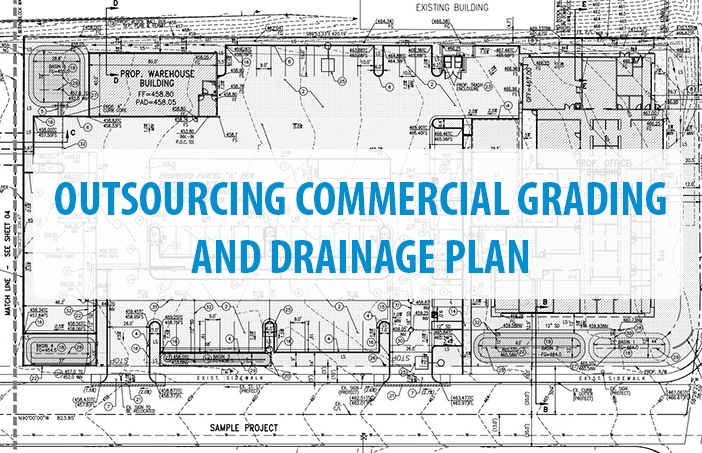
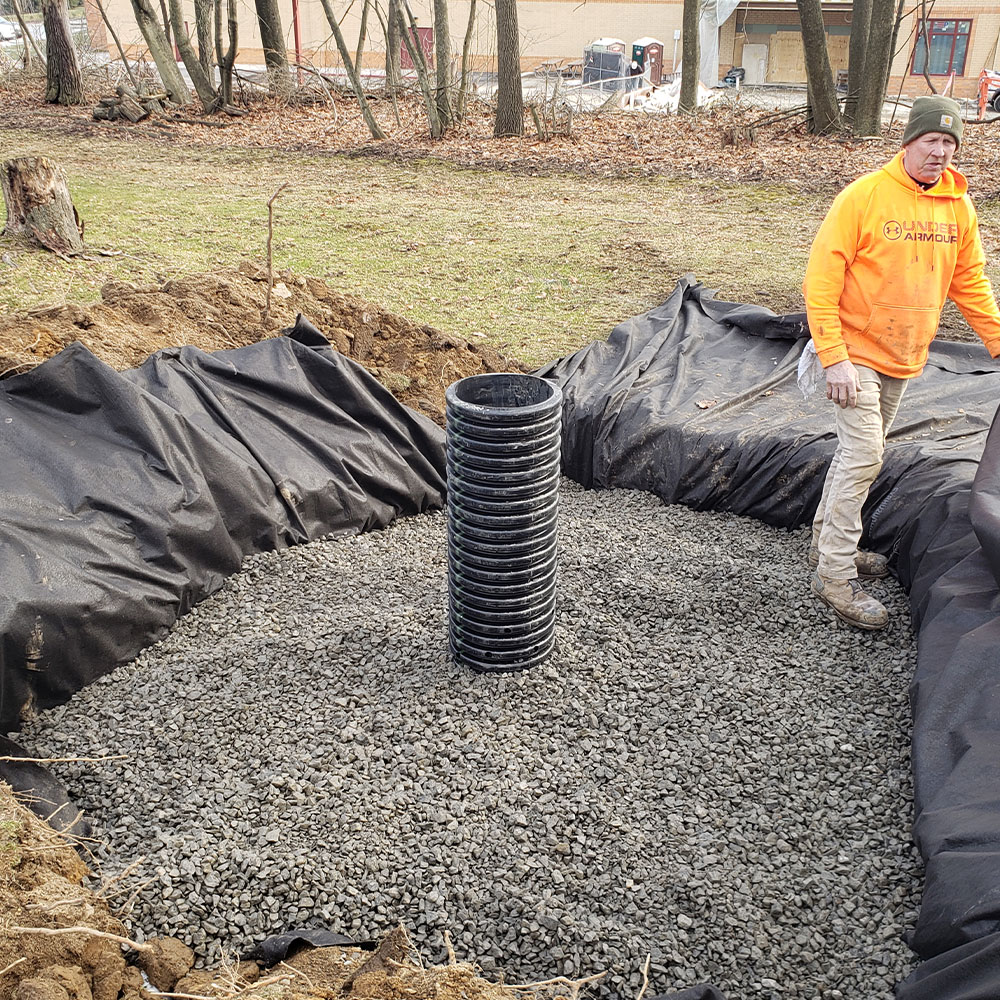
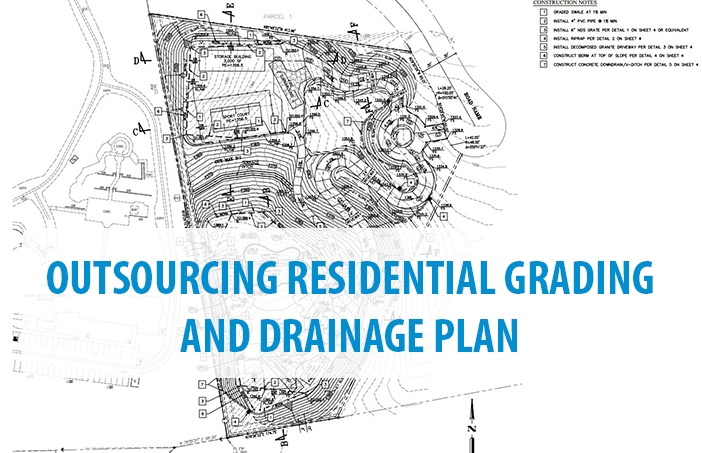
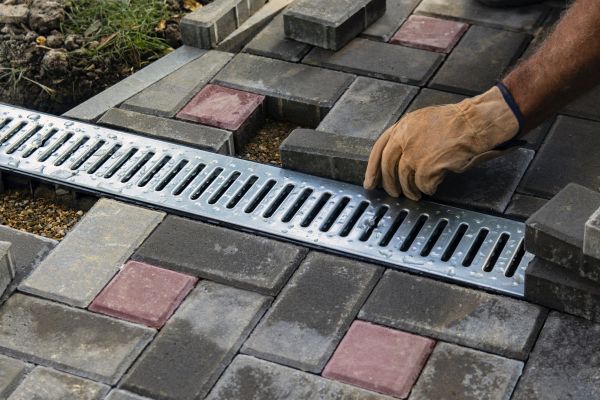
Grading is the process of shaping the land to control surface runoff and ensure stability. Proper grading sets the elevation, slope, and contours of the site. It involves analyzing the site's topography, soil composition, and water flow patterns to determine the best grading plan. This plan should take into account the site's drainage patterns, including the location and size of stormwater inlets, culverts, and other drainage features.