Understanding Kyoto Protocol Carbon Trading: A Comprehensive Guide
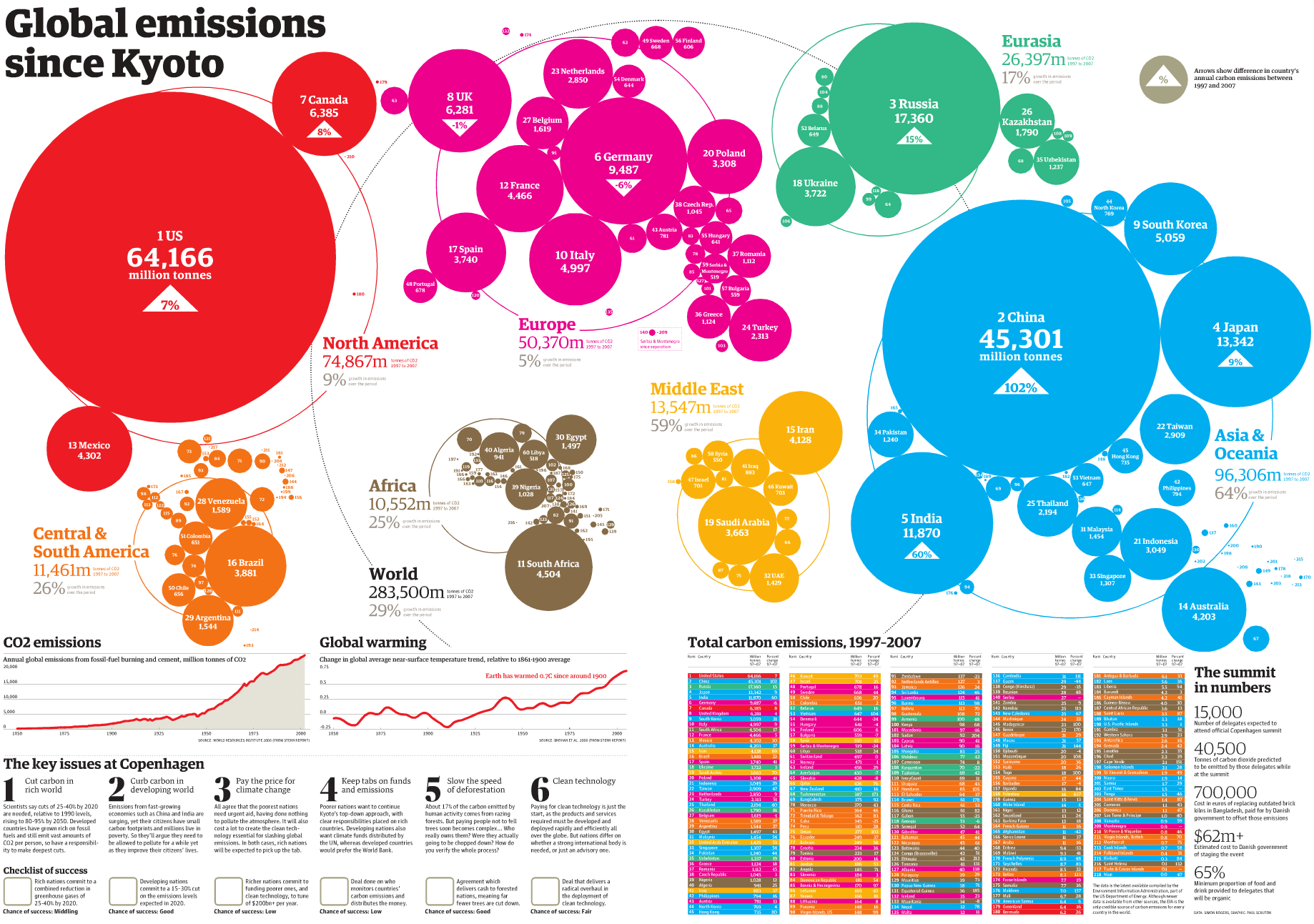
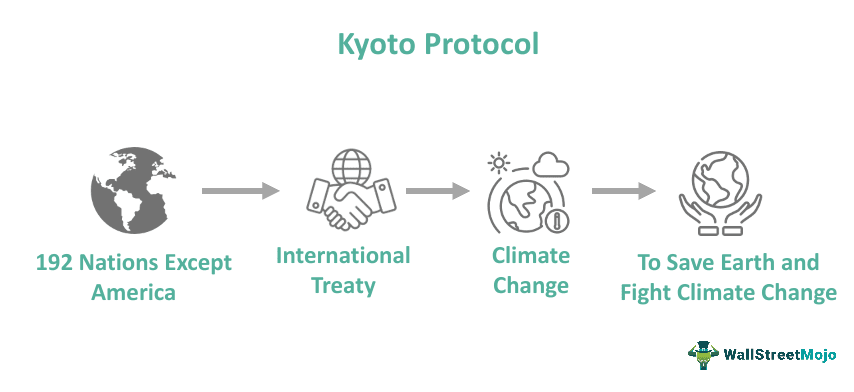
The Kyoto Protocol, adopted in 1997, aimed to combat climate change by reducing greenhouse gas emissions. At its core lies the concept of carbon trading, a mechanism that allows countries to buy and sell emission rights. In this article, we will delve into the intricacies of Kyoto Protocol carbon trading and explore its significance in the global effort to mitigate climate change.
Introduction to Kyoto Protocol Carbon Trading
Under Article 17 of the Kyoto Protocol, countries with excess emission units can sell their spare capacity to nations that are over their targets. This created a new commodity - emission reductions or removals - which is now tracked and traded as carbon. The protocol focuses on seven greenhouse gases, including carbon dioxide, methane, and nitrous oxide, among others.
History and Evolution of Kyoto Protocol Carbon Trading
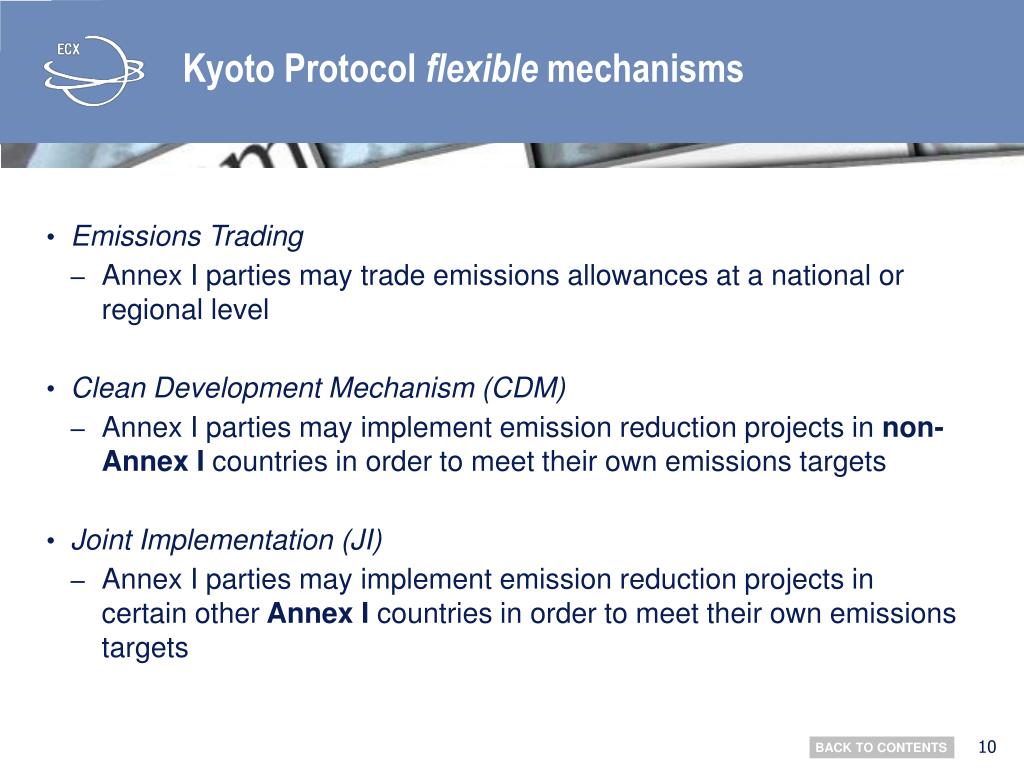
The Kyoto Protocol introduced a cap-and-trade system aimed at reducing greenhouse gas emissions at lower overall costs. It established three flexibility mechanisms: the Clean Development Mechanism (CDM), Joint Implementation (JI), and Emissions Trading (ET). These mechanisms were designed to create a global carbon market that would incentivize countries to reduce their emissions.


:max_bytes(150000):strip_icc()/carboncredit_definition_final_0928-blue-22451a068f854502ac62381f6c8273ac.jpg "Mechanisms under the Kyoto Protocol | UNFCCC")