Understanding Metformin and GLP-1 Agonists: A Comprehensive Guide
Metformin and GLP-1 agonists are two popular medications used to manage type 2 diabetes. While they share some similarities, they have distinct differences in terms of how they work, their effects on blood sugar control, and their side effects. In this article, we will delve into the world of metformin and GLP-1 agonists, exploring their differences, benefits, and treatment options for diabetes management.
Differences Between Metformin and GLP-1 Agonists
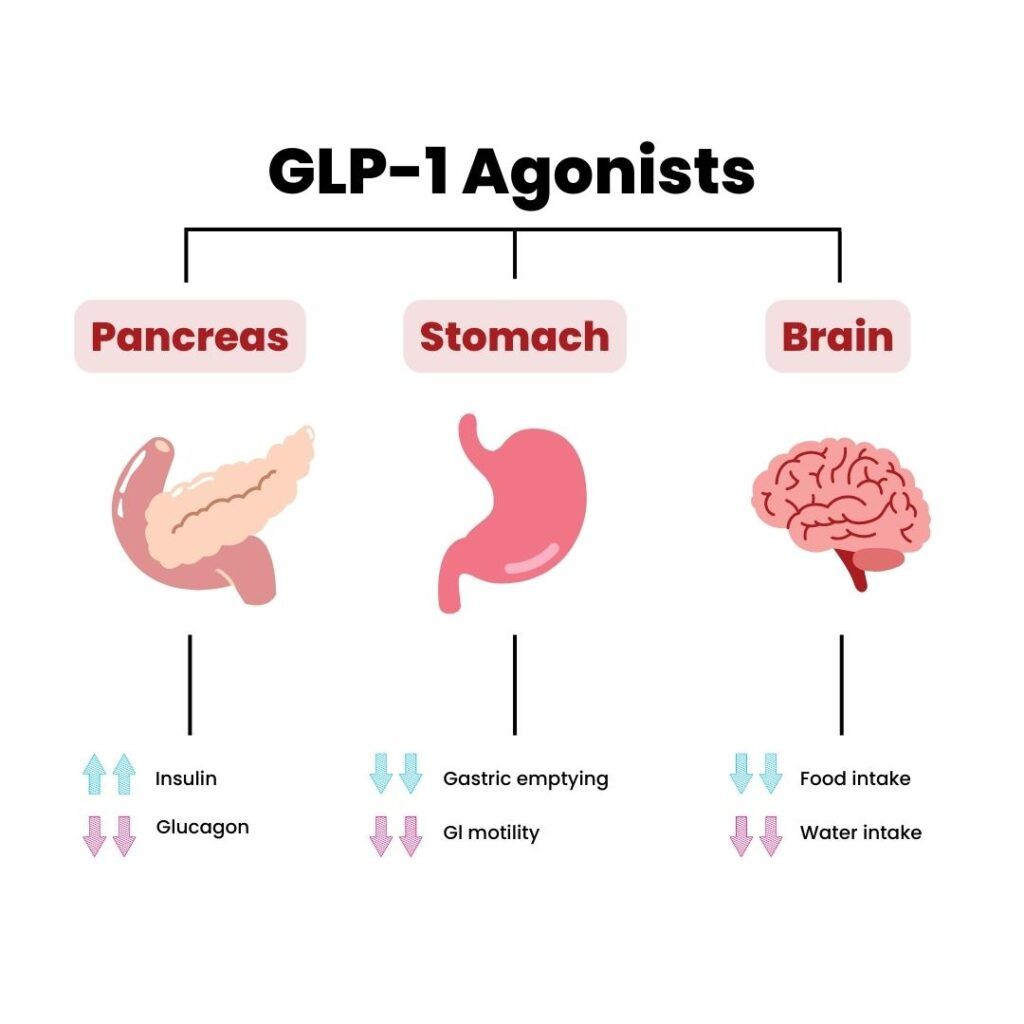
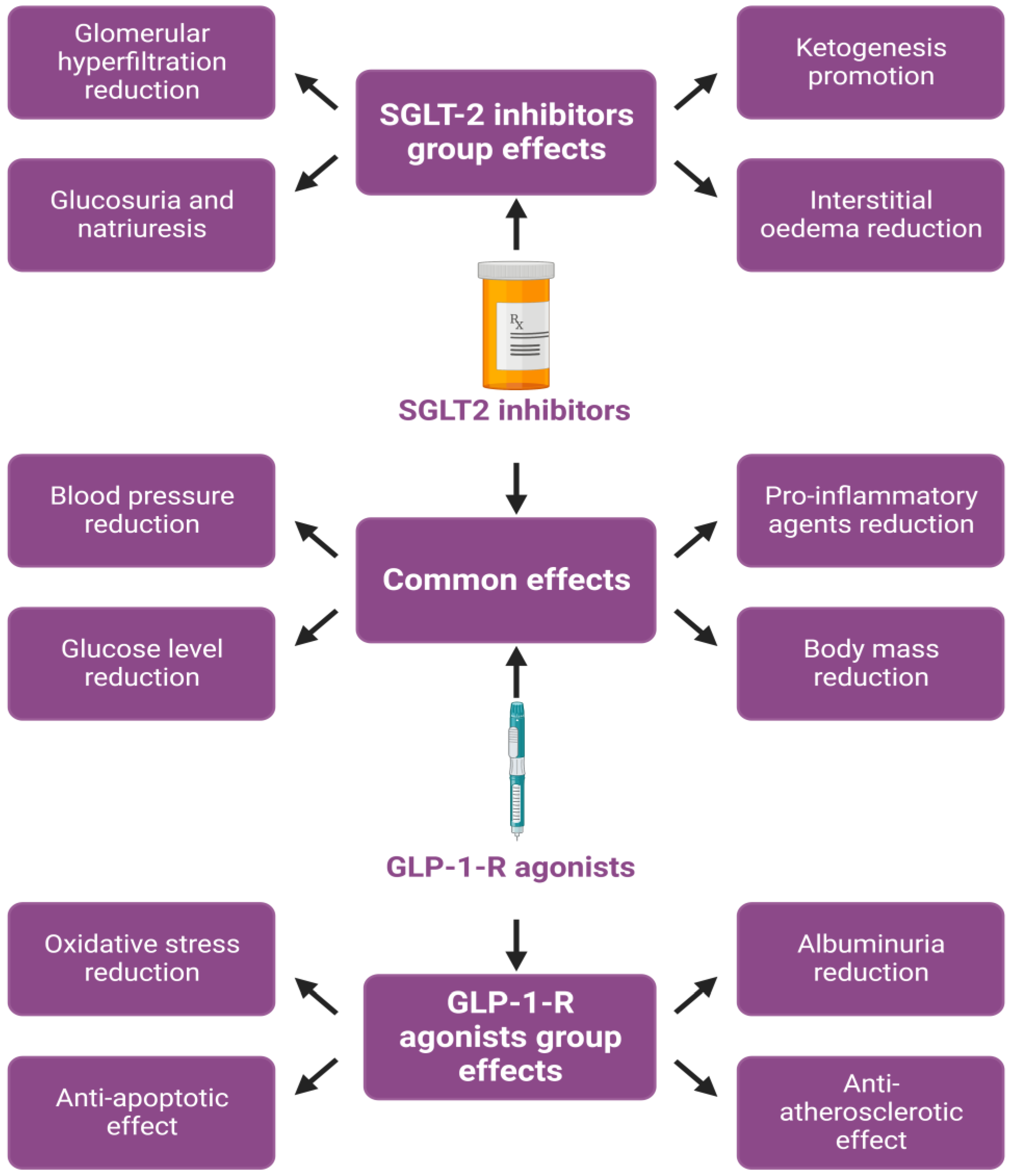
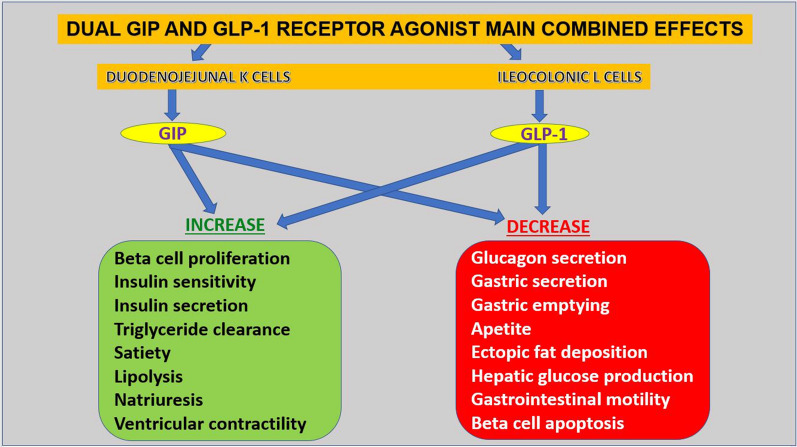
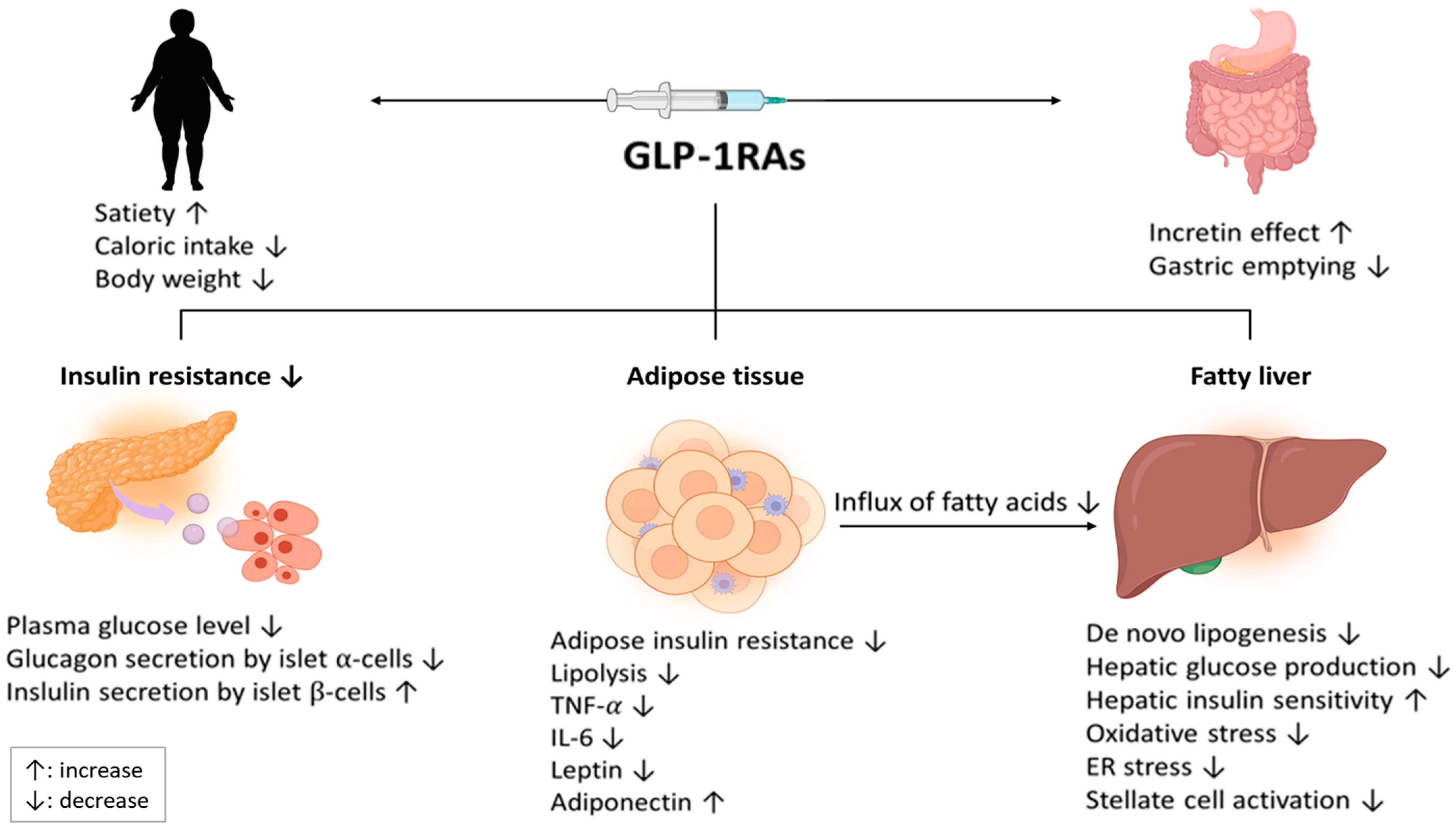
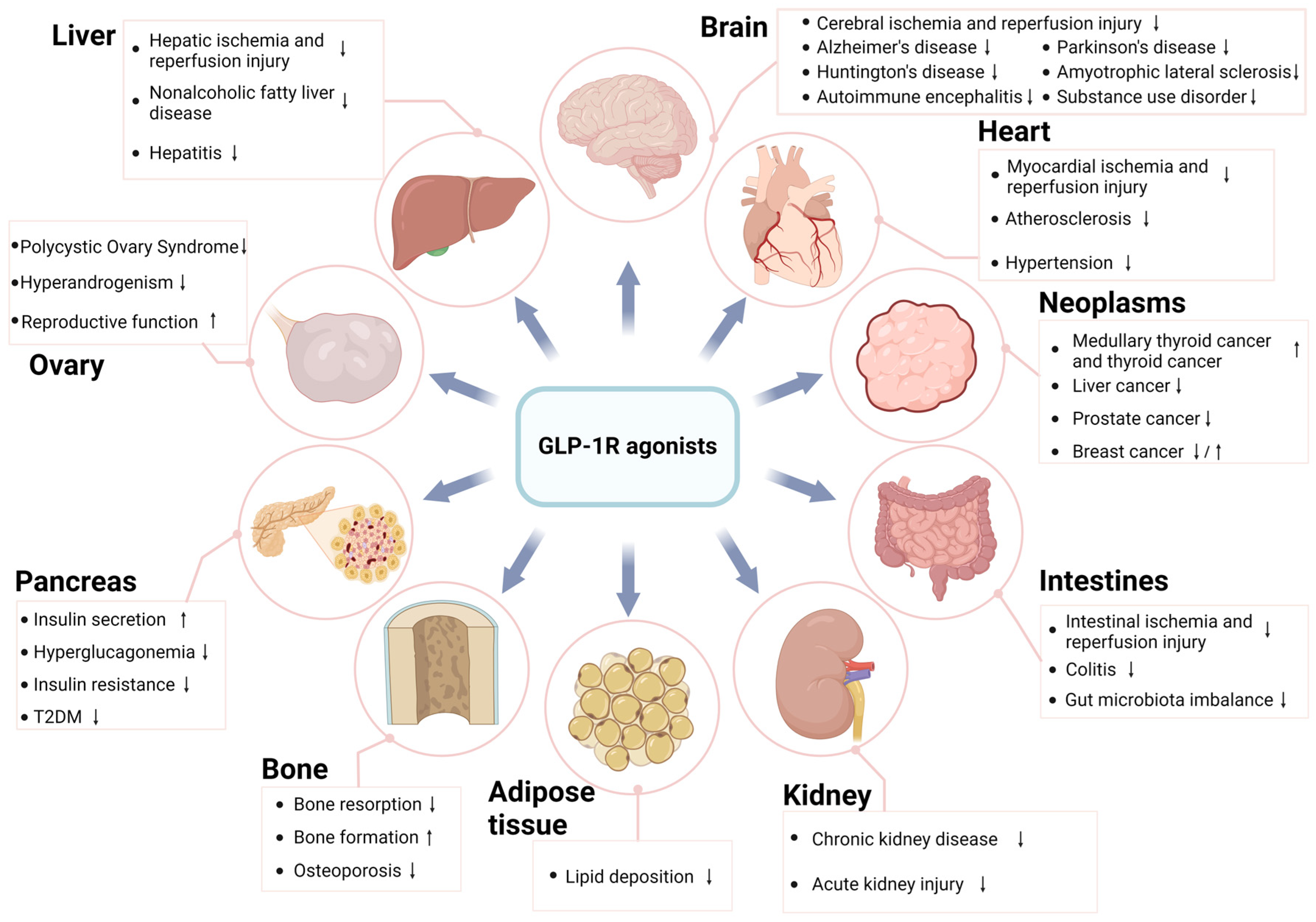
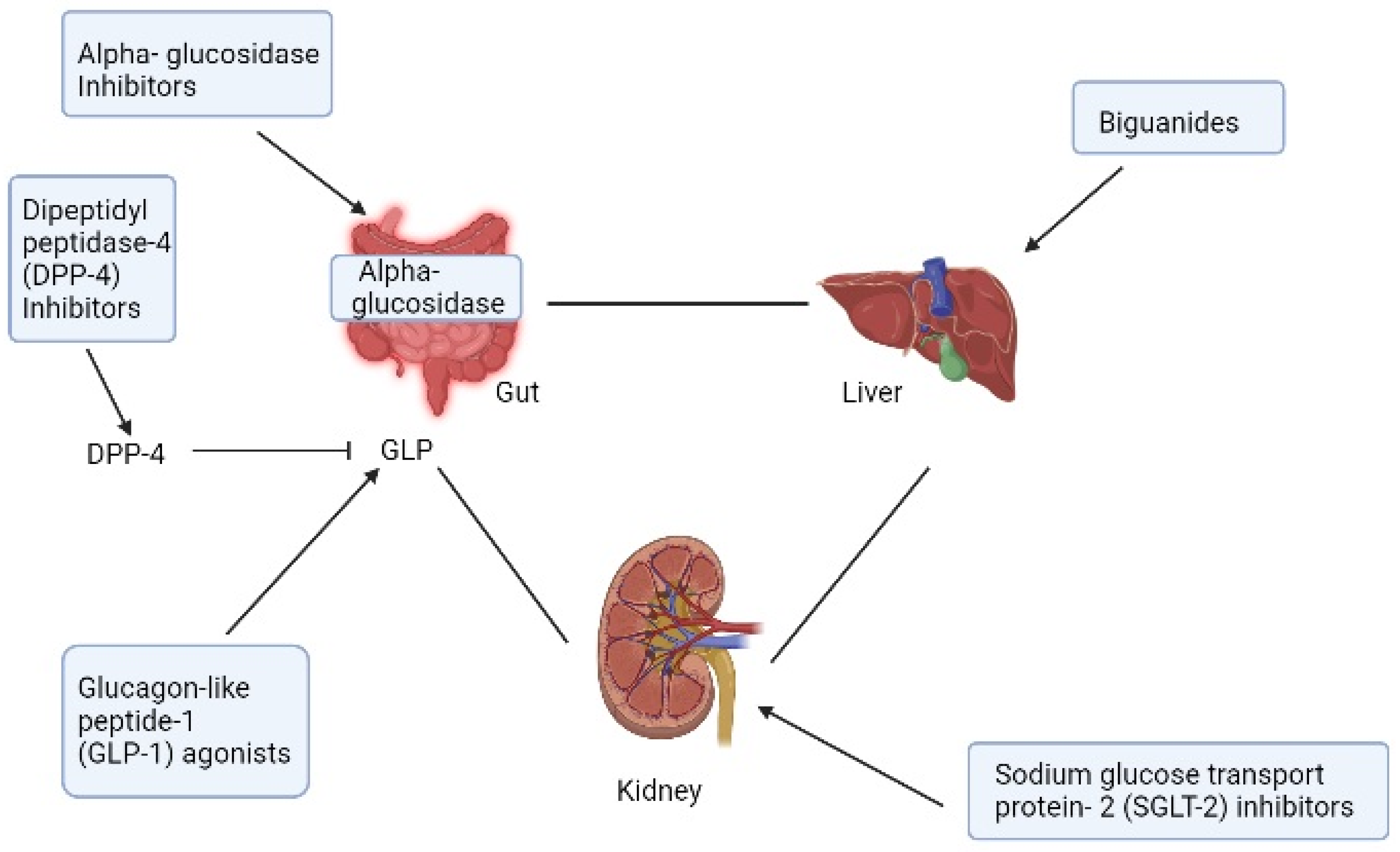
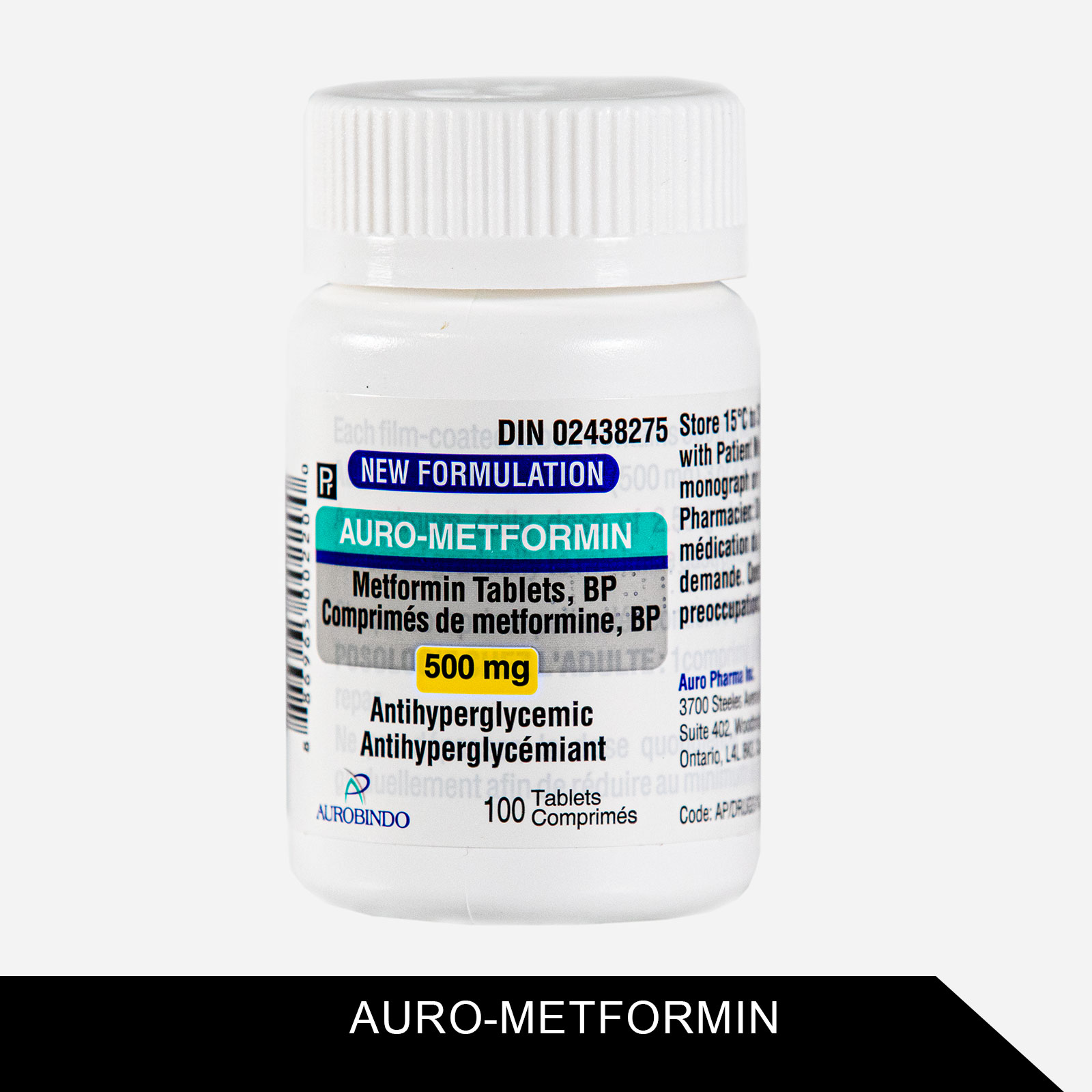
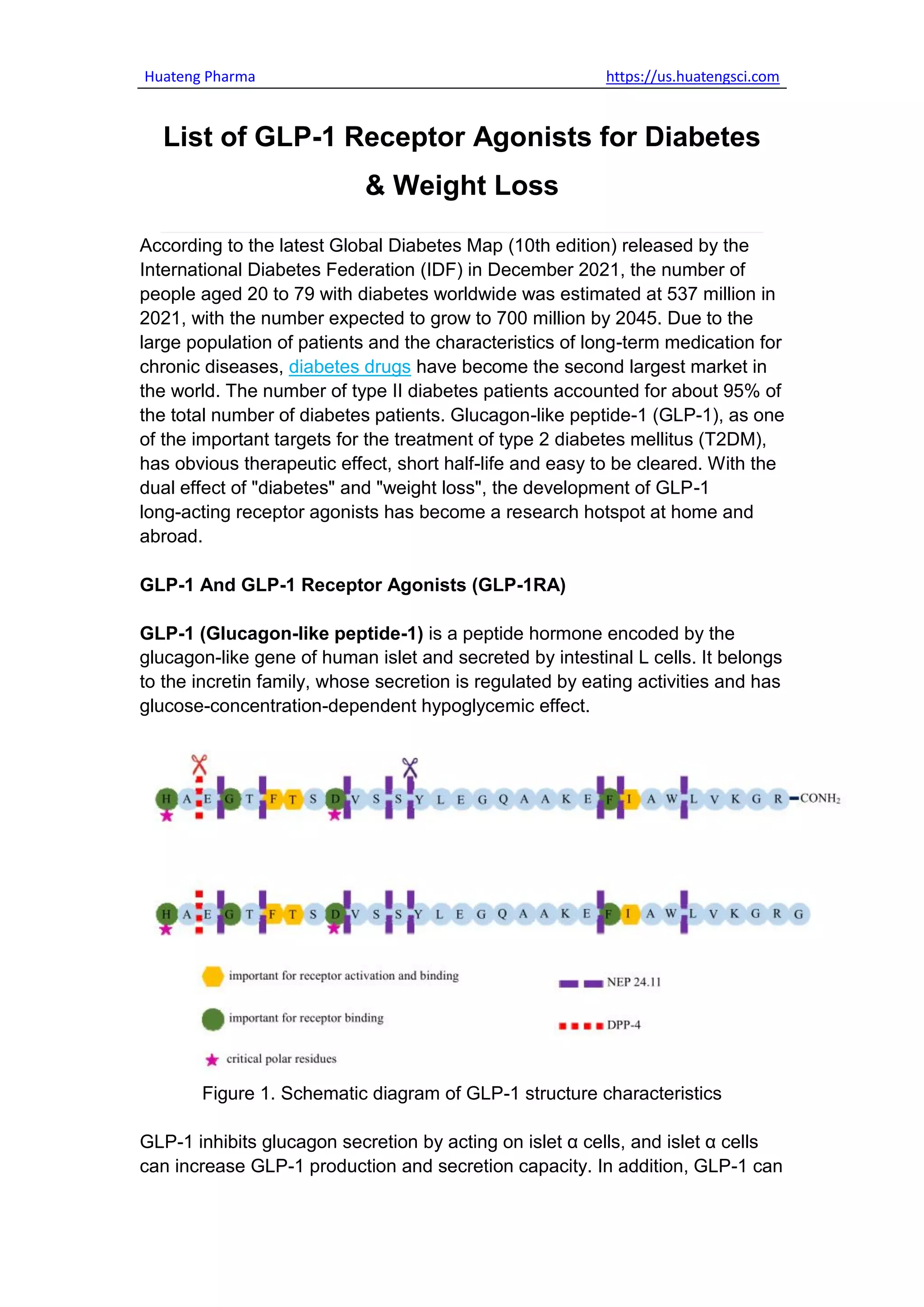
Metformin is an oral medication that works by reducing glucose production in the liver and improving insulin sensitivity. On the other hand, GLP-1 agonists are injectable medications that mimic the effects of the naturally occurring hormone glucagon-like peptide-1 (GLP-1), which plays a crucial role in regulating insulin secretion, glucose homeostasis, and appetite.
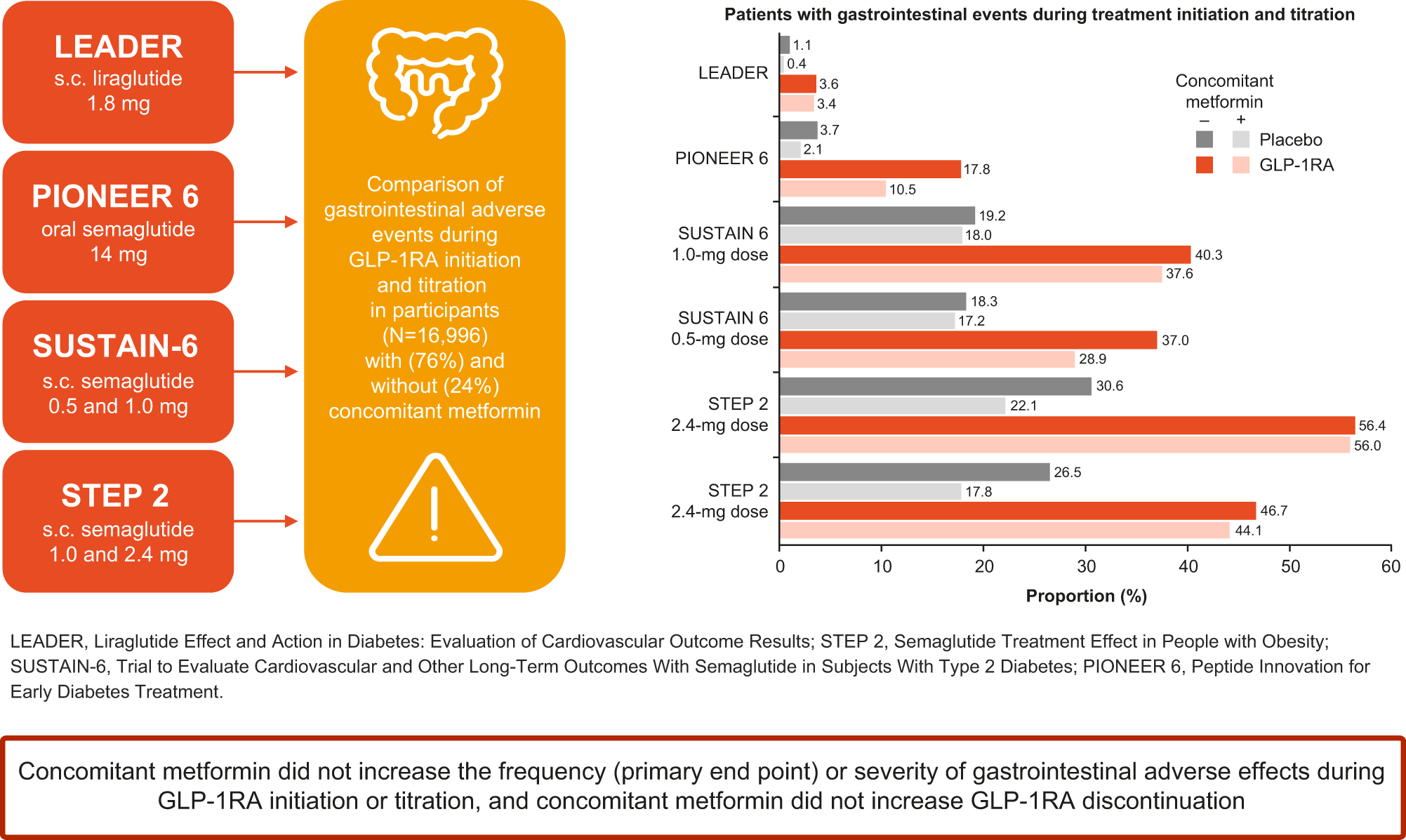
GLP-1 Agonists vs. Metformin: Which is More Effective?
Studies have shown that GLP-1 agonists can be more effective than metformin in reducing A1C levels and promoting weight loss. However, metformin is a well-established and affordable option that has been used for decades to manage type 2 diabetes. The choice between GLP-1 agonists and metformin ultimately depends on individual health profiles, treatment goals, and budgets.