Third-Generation Wireless Network Setup: Unlocking Speed and Connectivity
The third-generation wireless network setup, commonly referred to as 3G, brings significant improvements over its predecessors. With download speeds reaching up to 21.6 Mbps and upload speeds of up to 5.7 Mbps, 3G networks enable faster connectivity and data transfer.
History of Wireless Networks
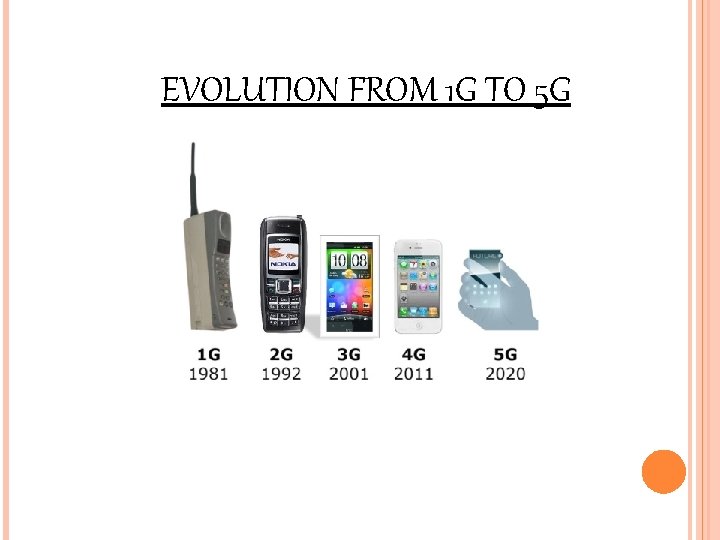
The history of wireless networks dates back to the 2G era, which introduced voice-only services. The 3G era marked a significant leap forward, offering faster data speeds and enabling users to access a greater range of applications and services. The 4G and 5G eras have continued to improve speeds and connectivity, but 3G remains an essential technology for many areas, particularly in remote or underserved regions.

What is 3G Wireless Network Setup?
A 3G wireless network setup is designed to provide high-speed data services to mobile users. This technology uses a combination of cellular and packet-switching techniques to transmit data over the airwaves. The 3G network setup consists of several components, including:
- Mobile Handset: Provides users with access to 3G networks.
- Base Station (Node B): Connects mobile handsets to the 3G network.
- Radio Network Controller (RNC): Manages the 3G network and allocated channels.
- Core Network: Routes data between the 3G network and the internet.