Understanding the Complex Relationship between Oxidative Stress and GLP-1 Reduction
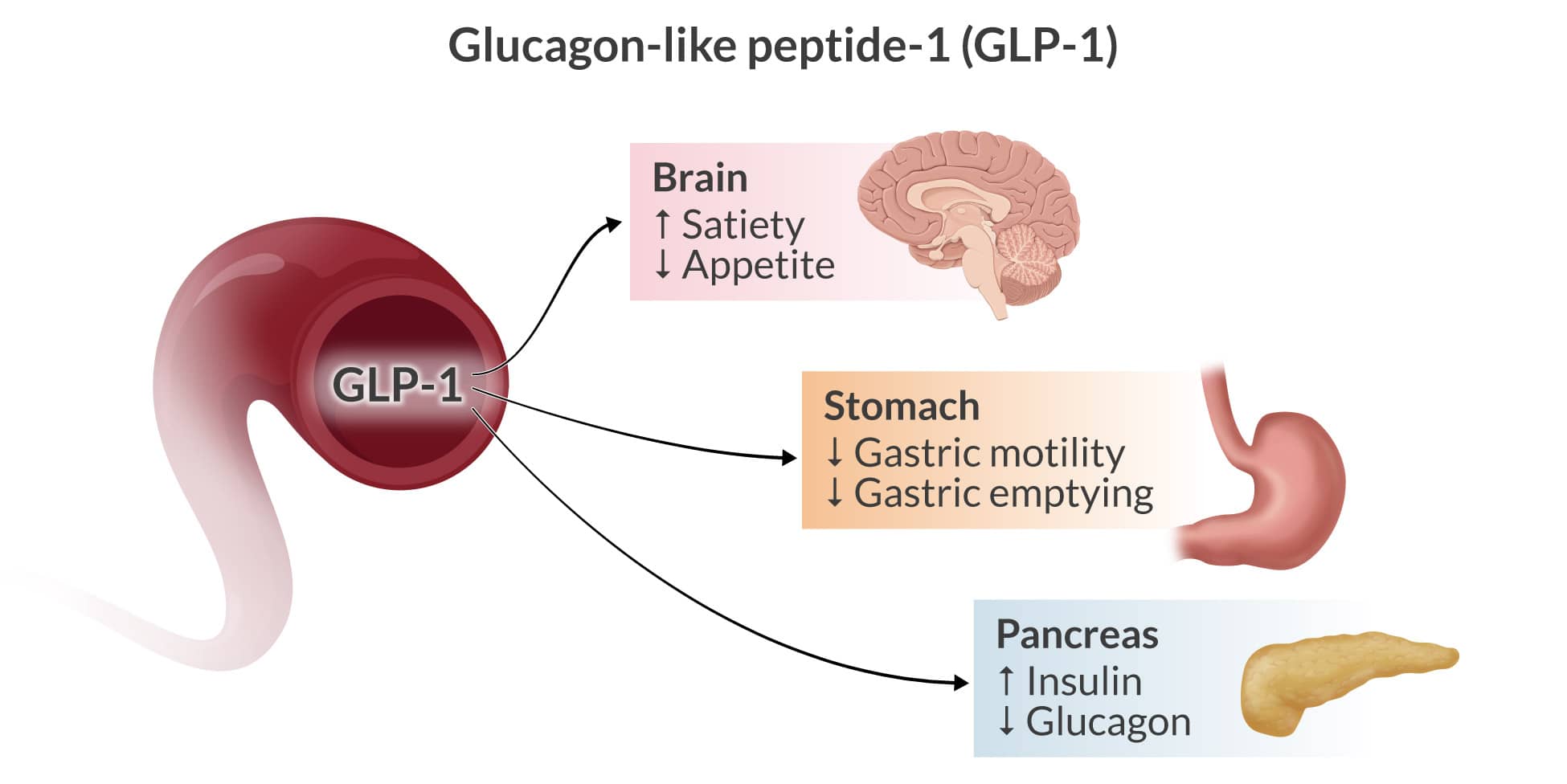
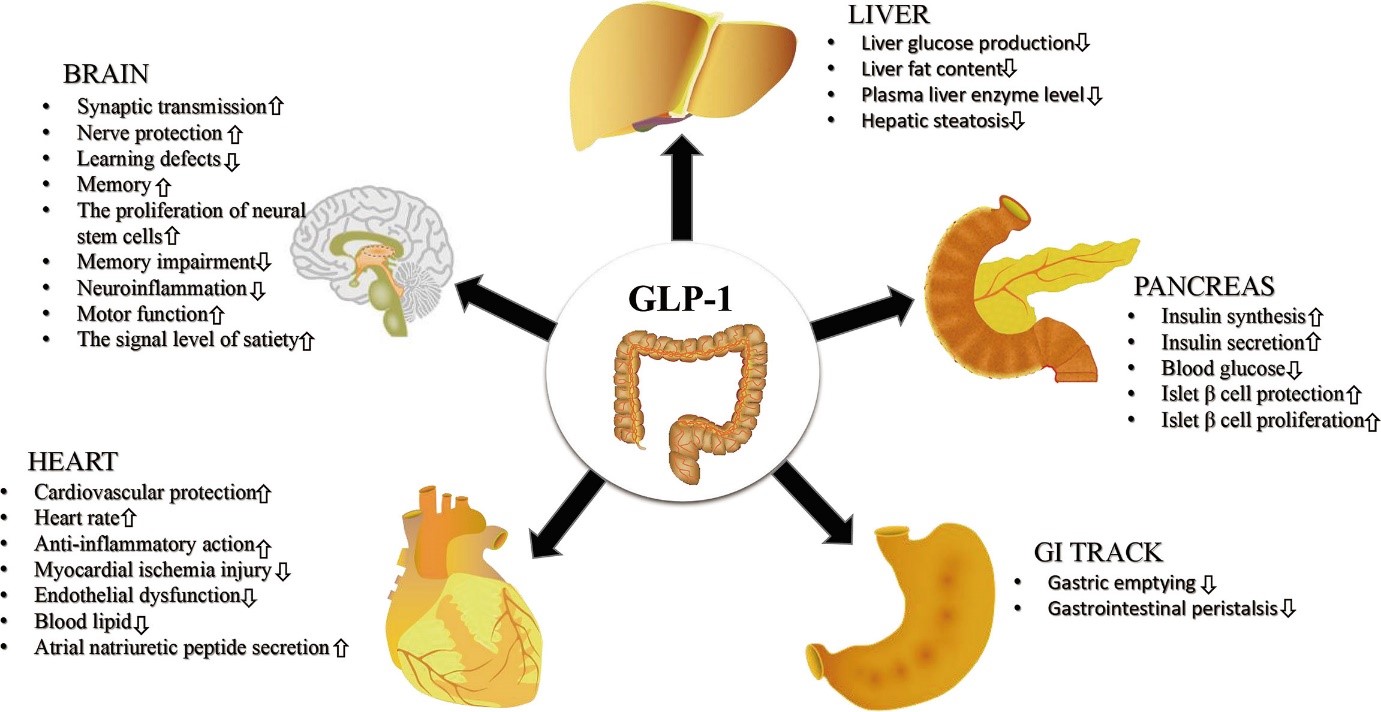
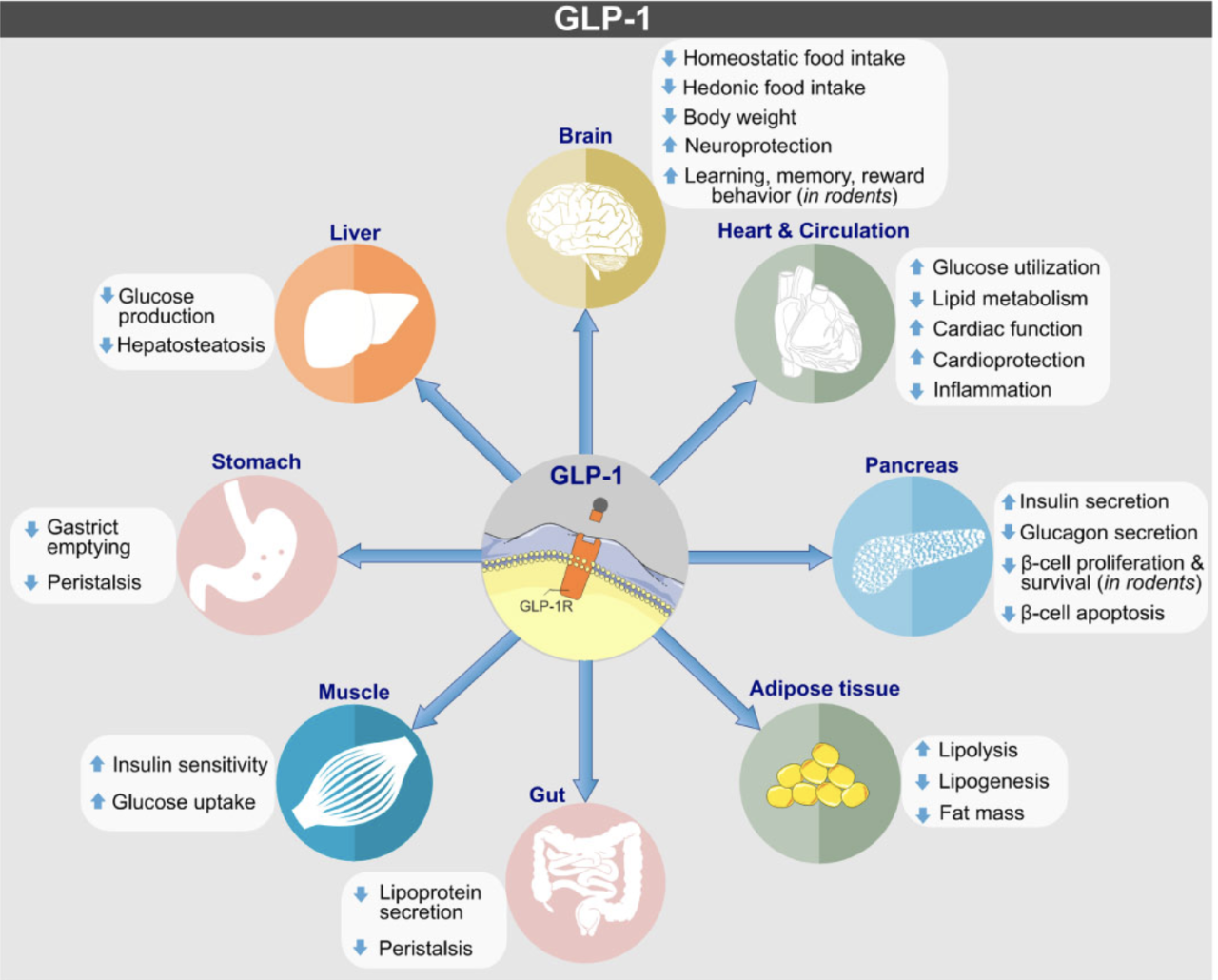
Research has long established a link between glucagon-like peptide-1 (GLP-1) levels and metabolic health, with GLP-1 playing a critical role in glucose regulation, appetite suppression, and insulin sensitivity. A growing body of evidence suggests that GLP-1 also has a significant impact on oxidative stress, a condition characterized by an imbalance between free radicals and antioxidants in the body. In this article, we'll delve into the intricate relationship between oxidative stress and GLP-1 reduction, exploring the latest studies and expert opinions on the topic.
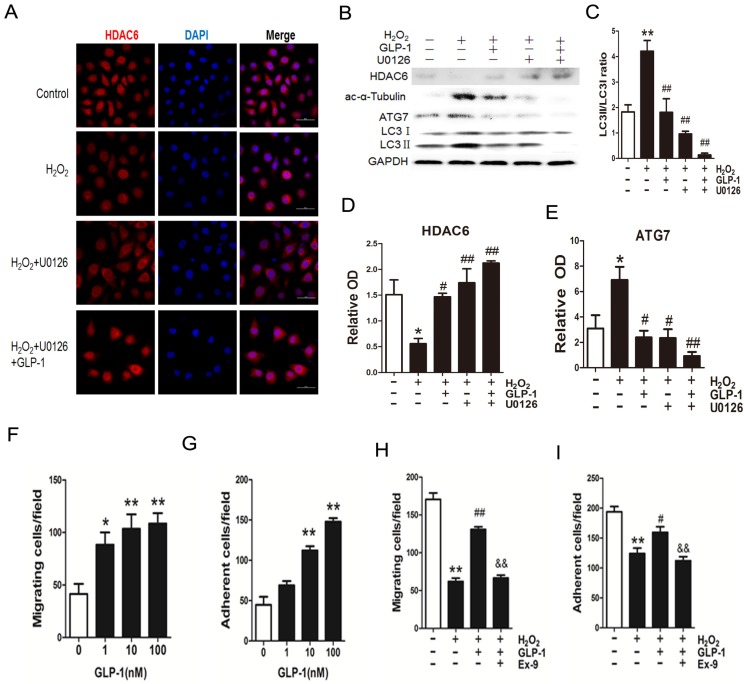
- GLP-1's Influence on Oxidative Stress: A Review of the Literature
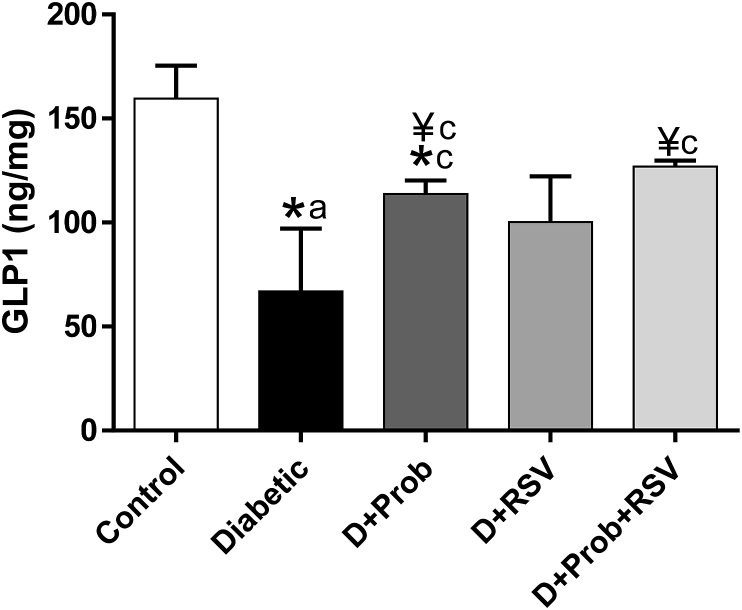
- Association of Low GLP-1 with Oxidative Stress in Cardiac Disease and Type 2 Diabetes Mellitus
- The Role of Nrf2 in Cellular Stress Responses and Oxidative Stress Mitigation

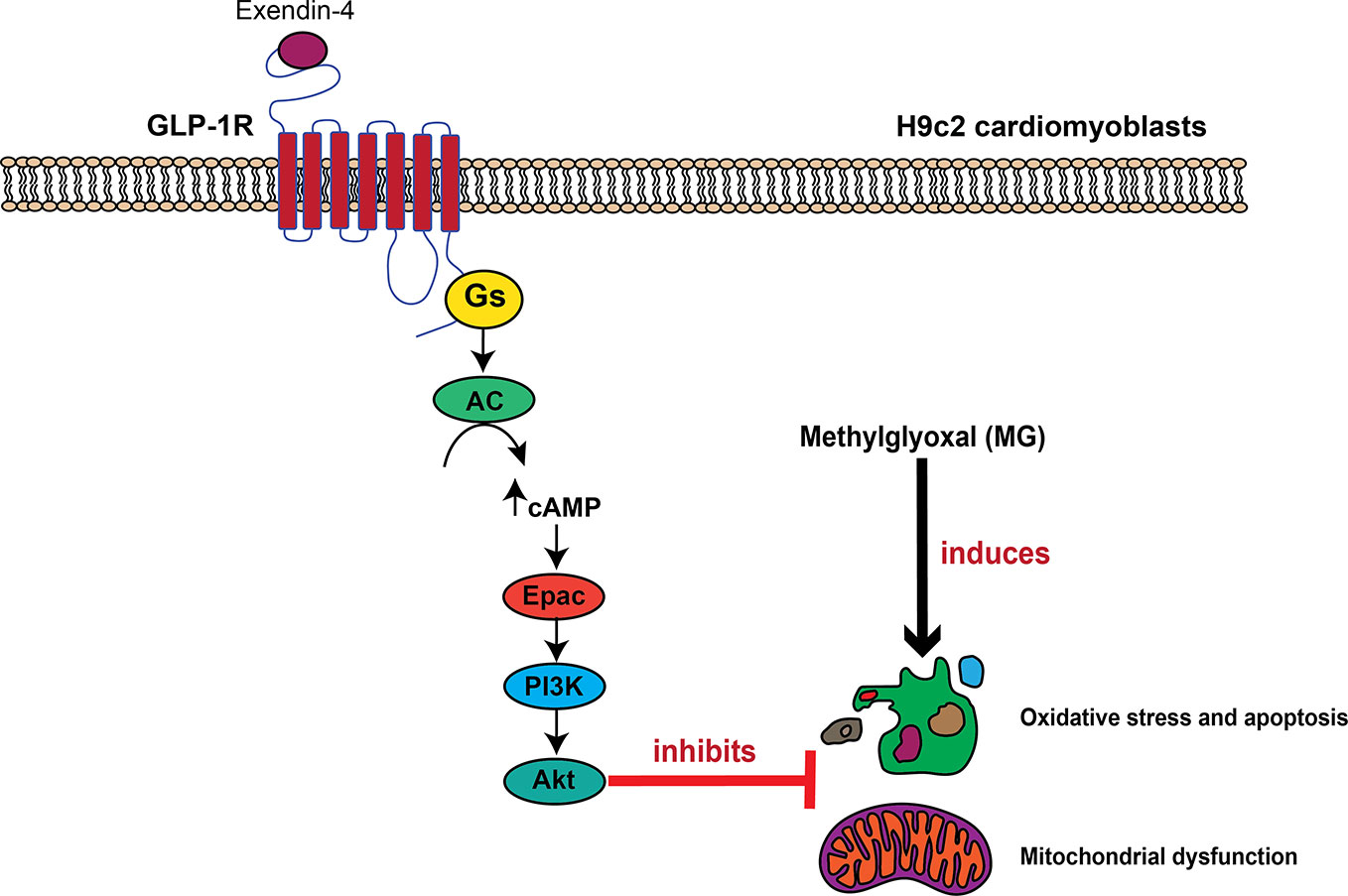
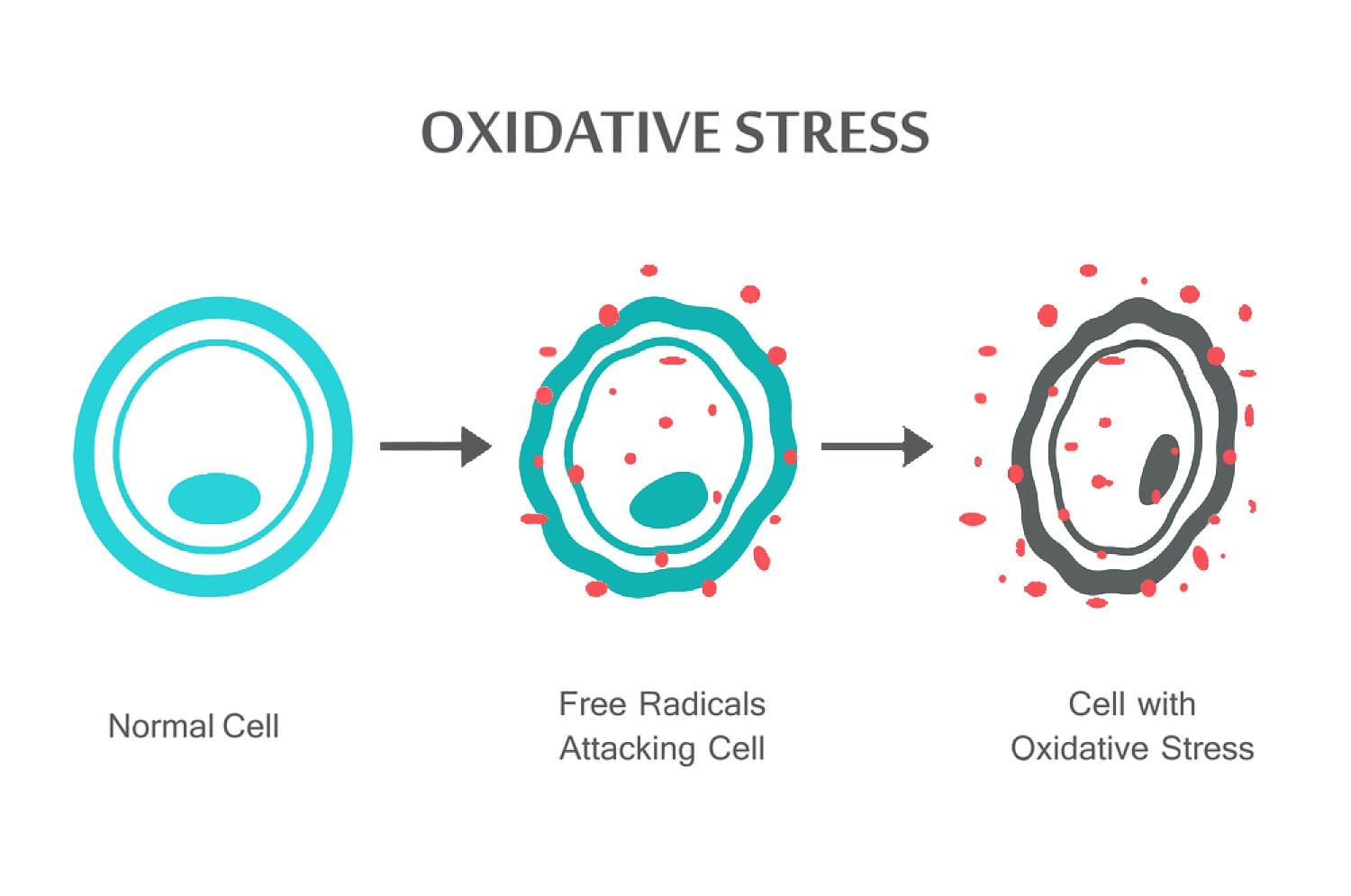
Oxidative stress is a condition in which the body's antioxidant defenses are overwhelmed by reactive oxygen species (ROS), leading to cellular damage and impaired metabolic function. GLP-1 has been shown to have antioxidant properties, reducing oxidative stress markers such as malondialdehyde (MDA) and nitric oxide (NO) in animal models and human studies. These effects are thought to contribute to GLP-1's anti-inflammatory and anti-atherosclerotic properties.