Understanding Trademark Opposition Australia
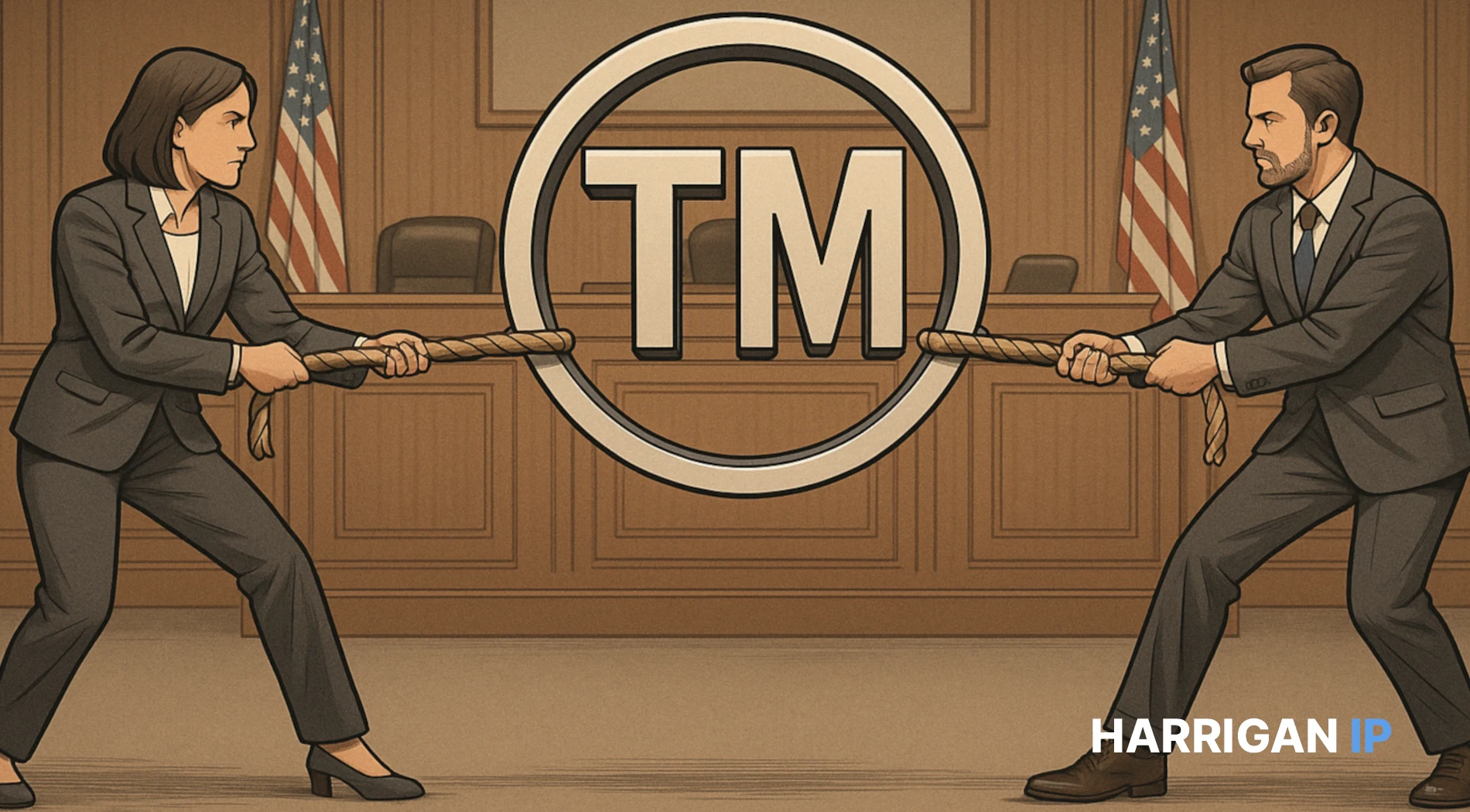
When you apply for a trademark in Australia through the Intellectual Property Office of Australia (IP Australia), you may receive a decision that your application is accepted. However, this is not the end of the process. There can be opposition to your trademark registration, and this is known as a trademark opposition in Australia.
What is a trademark opposition in Australia?
Once a decision has been made to accept your trademark application, anyone can disagree with the decision and make a formal objection, known as an opposition. This usually happens during the two-month notice period, where your application details are published in the Australian Trade Marks Journal before it's officially registered.
Why do trademark oppositions occur?

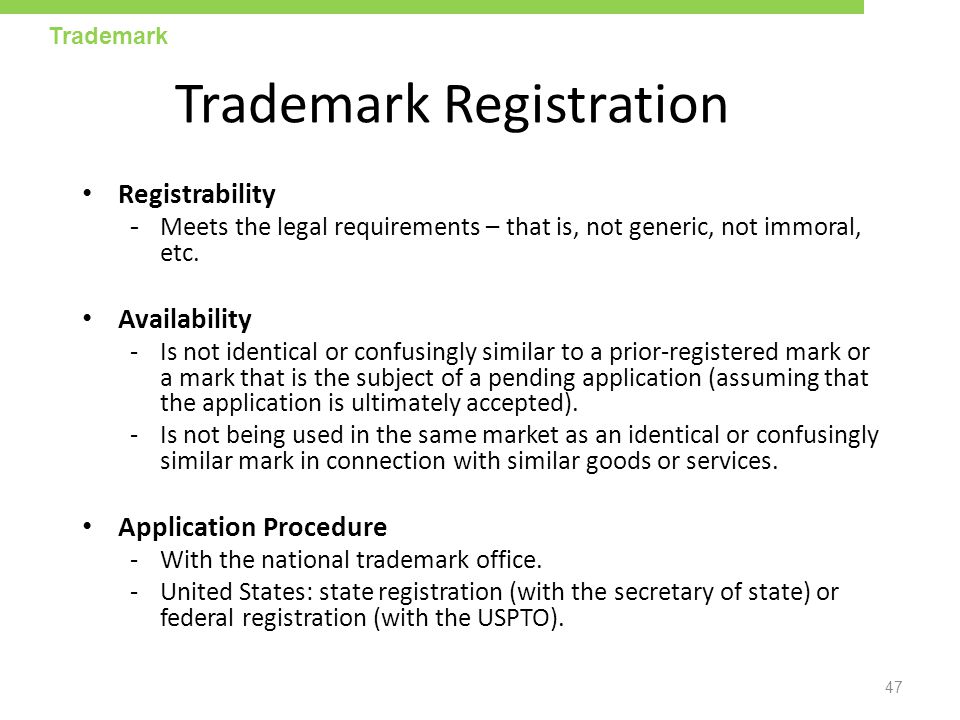
Common reasons for trademark oppositions in Australia include generic or descriptive marks, lack of distinctiveness, deceptively similar marks, and damage to the public interest. The registration and resolution of minor trademark disputes occur through the Public Cases and Hearings Section in Trade Marks and Designs Group of IP Australia.
What are the key steps in the trademark opposition process?
- Notice of Opposition: When a party opposes a trademark application, they file a notice of opposition with IP Australia.
- Statement of Grounds and Particulars: The party opposing the trademark must provide a statement of grounds and particulars outlining their reasons for opposing the application.
- Response to the Notice of Opposition: The applicant for the trademark has the opportunity to respond to the notice of opposition and file a statement in opposition.
- Opposition Hearing: In some cases, the matter may proceed to an opposition hearing, where evidence is presented and a decision is made on the opposition.