Understanding Trademark Class Search Criteria in the US
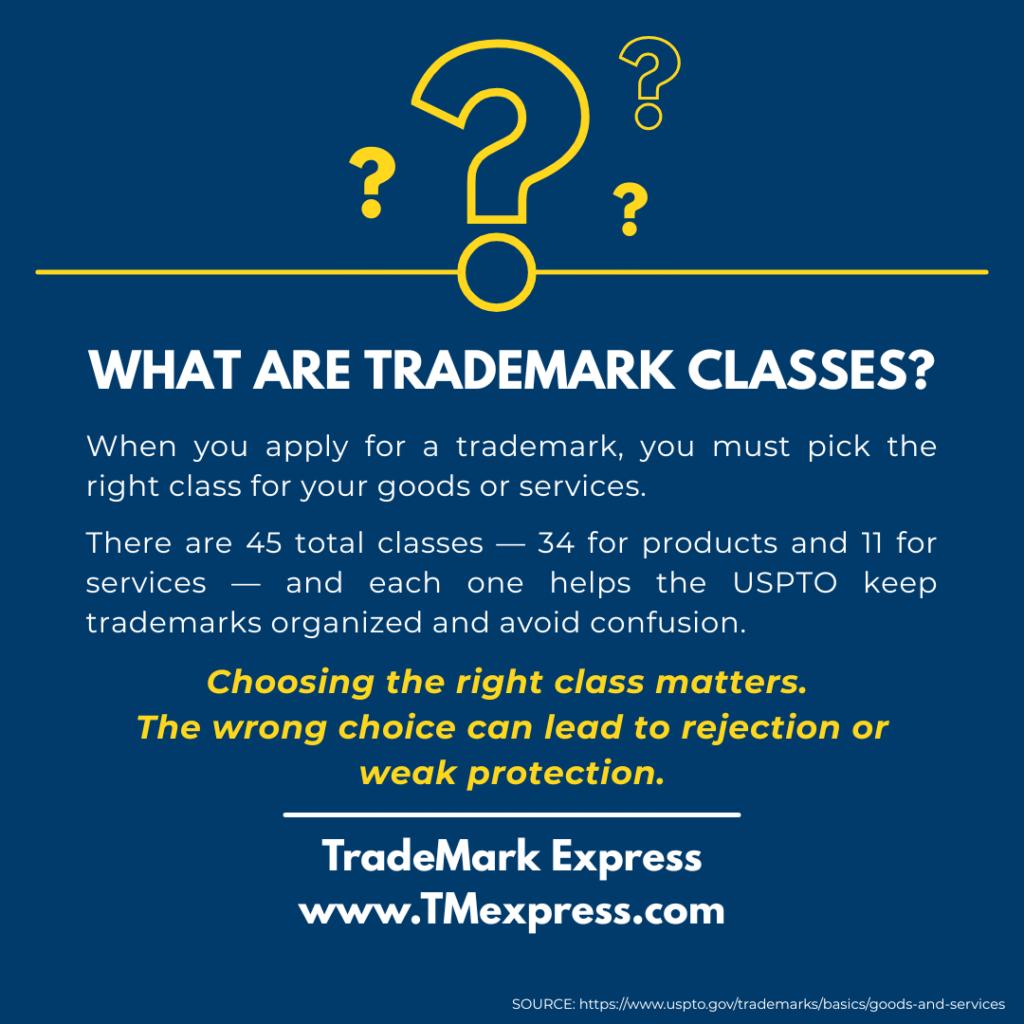
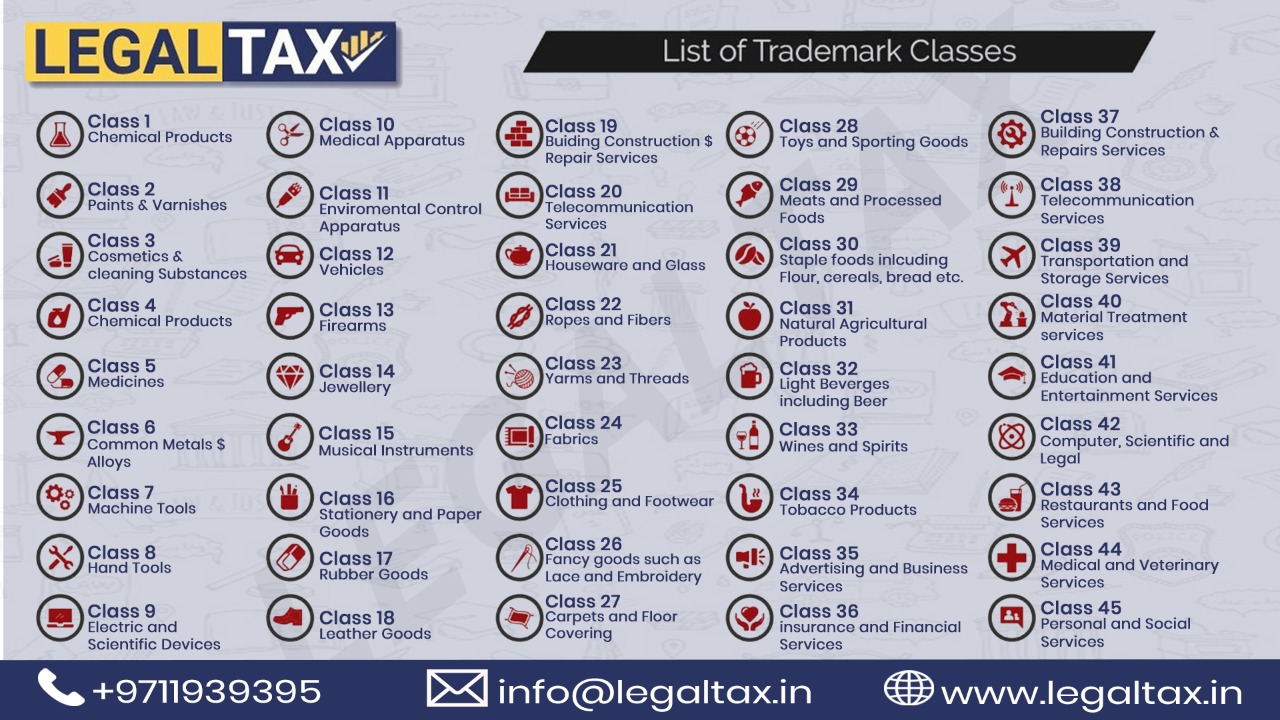
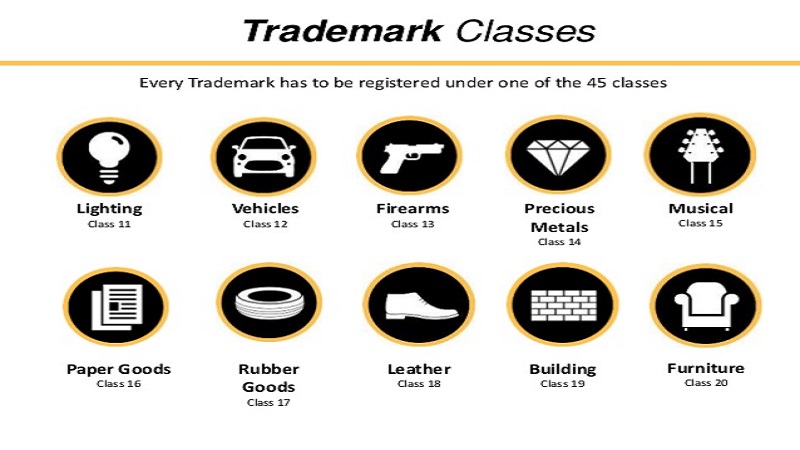
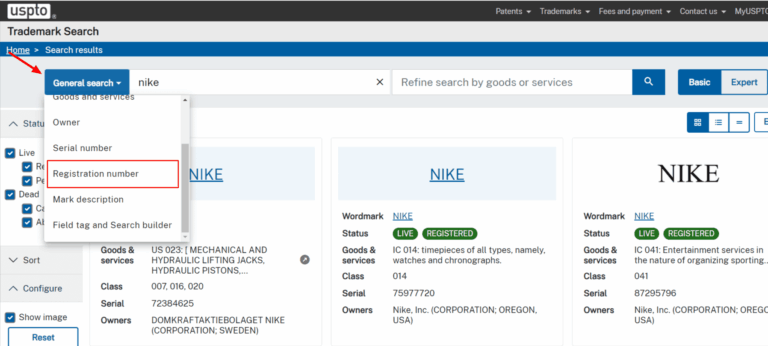
Registering a trademark for your business involves more than just submitting an application; it requires careful consideration of the goods or services you offer and the specific class in which your trademark falls. The United States Patent and Trademark Office (USPTO) divides trademarks into 45 different classes, which are categorized based on the Nice Classification System. In this article, we'll delve into the world of trademark class search criteria in the US and explore how to use the USPTO's searchable database to find the correct class for your trademark.
Why is Trademark Class Search Important?
Conducting a comprehensive trademark search is crucial before applying for registration to ensure your trademark is available and does not conflict with existing marks. Searching the USPTO's trademark database helps you gauge the uniqueness of your trademark and identify potential legal issues. By understanding the trademark class search criteria, you can make an informed decision and proceed with registering your trademark with confidence.

Trademark Class Search: An Overview
The Nice Classification System is an international standard for categorizing goods and services for trademark registration. It consists of 45 classes, each representing a unique category of goods or services. The USPTO uses these classes to organize trademarks, assess fees, and facilitate database searching for pending and registered trademarks. When applying for trademark registration, you'll need to specify the correct class for your goods or services, which will determine your application's fee and processing time.