Boosting Window Insulation Energy Efficiency: A Comprehensive Guide
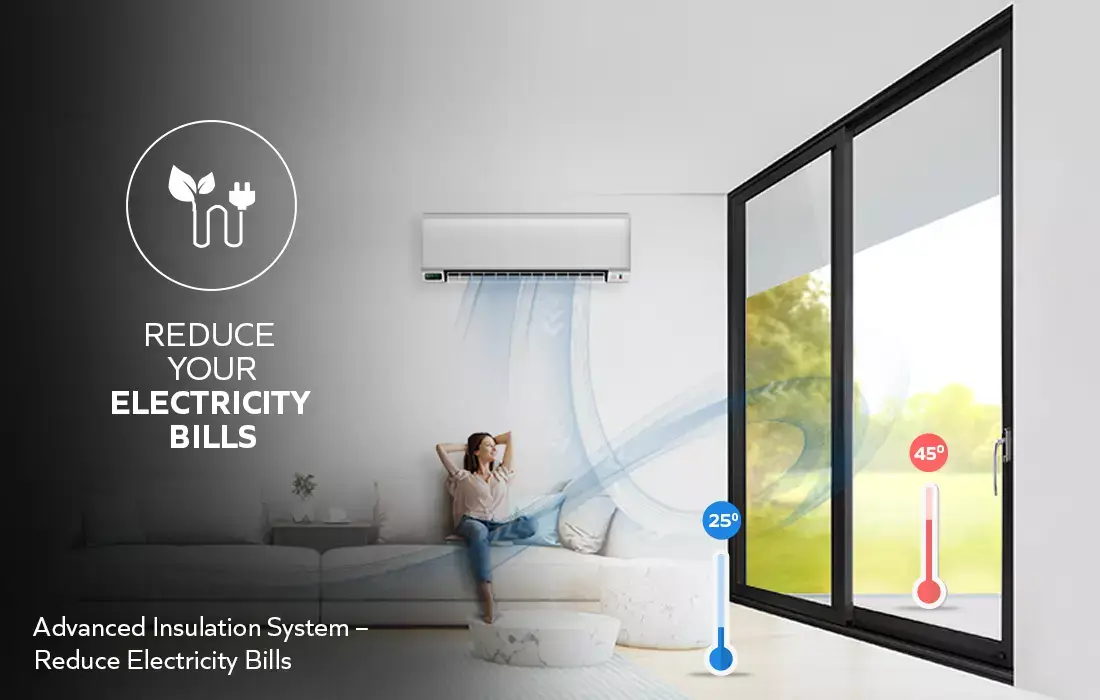
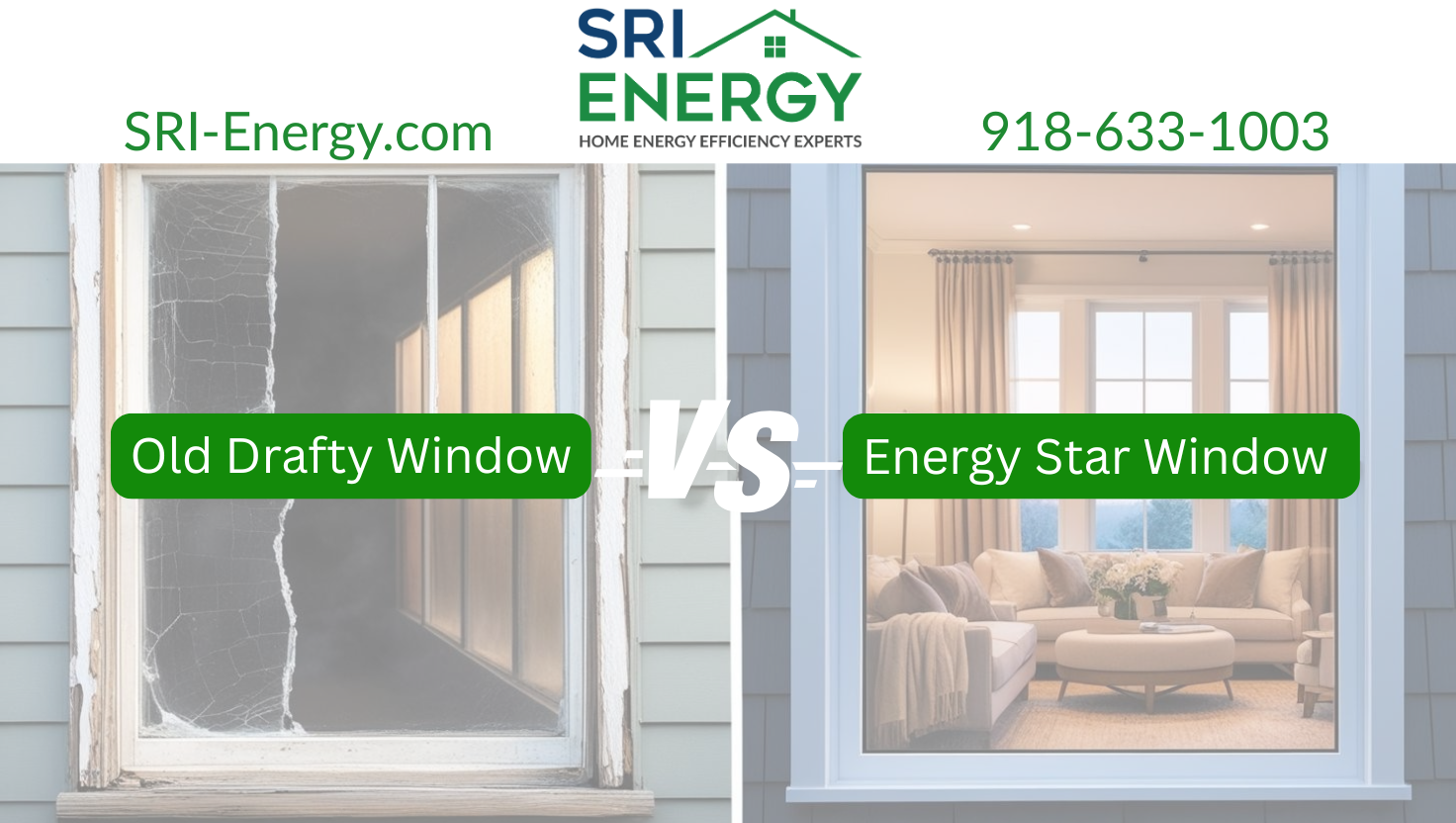
As the world becomes increasingly aware of the importance of energy efficiency, homeowners are looking for ways to reduce their energy consumption and lower their utility bills. One of the most effective ways to achieve this is by improving the insulation of windows, which can account for up to 25-30% of a home's energy loss. In this article, we will explore the concept of window insulation energy efficiency, its benefits, and provide practical tips on how to improve it.
What is Window Insulation Energy Efficiency?
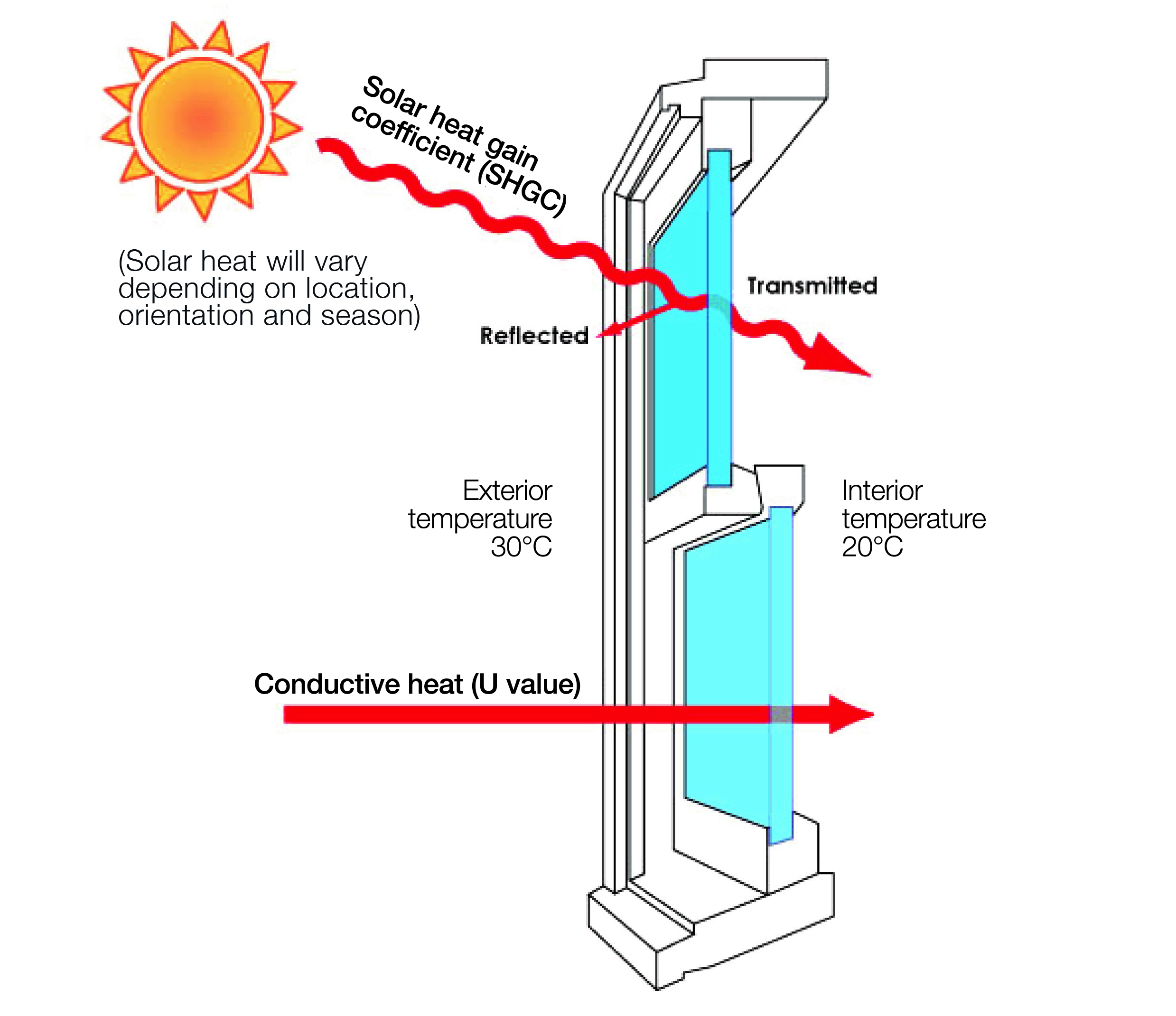
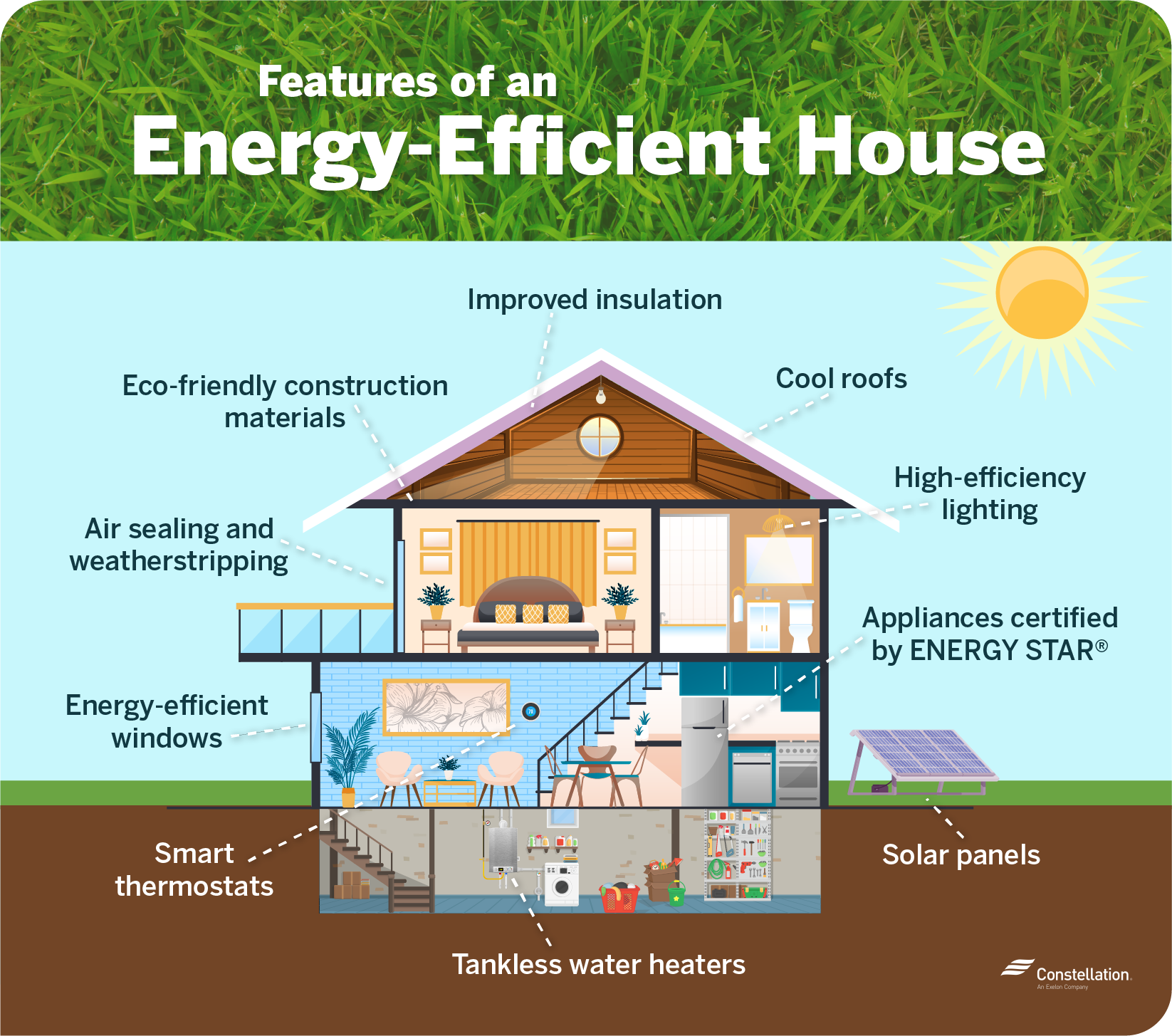
Window insulation energy efficiency refers to the ability of windows to prevent heat transfer between the inside and outside of a building. This is achieved through the use of various materials and technologies that reduce heat loss in winter and heat gain in summer. Energy-efficient windows use multiple panes, gas fills, insulated frames, and Low-E coatings to minimize heat transfer and reduce energy consumption.

Benefits of Window Insulation Energy Efficiency
- Reduced energy bills: By preventing heat transfer, energy-efficient windows can help homeowners save money on their energy bills.
- Improved comfort: Energy-efficient windows can reduce drafts and condensation, making homes more comfortable and livable.
- Increased home value: Energy-efficient windows can increase the value of a home, making it more attractive to potential buyers.
- Environmental benefits: By reducing energy consumption, energy-efficient windows can help reduce greenhouse gas emissions and contribute to a more sustainable future.