Wireless Mechanical Keyboard Kit Development: A Guide for DIY Enthusiasts
Introduction
Are you an aspiring DIY enthusiast or a seasoned keyboard builder looking to take your mechanical keyboard game to the next level? Building a custom wireless mechanical keyboard is an exciting project that offers unparalleled levels of customization and control. In this article, we'll delve into the world of wireless mechanical keyboard kit development, covering the essential components, considerations, and top recommendations to help you create your dream keyboard.Why Choose Wireless Mechanical Keyboard Kits?
As technology advances, wireless mechanical keyboards have become increasingly popular among keyboard enthusiasts. These kits offer several advantages over their wired counterparts, including:- Flexibility: Wireless keyboards provide the freedom to work or play from anywhere, without the constraints of cables.
- Convenience: No more worrying about cord tangling, accidental disconnects, or cable damage.
- Customization: With wireless keyboard kits, you can choose from a wide range of switches, keycaps, and other customization options to create a keyboard that perfectly suits your needs and preferences.
Components of a Wireless Mechanical Keyboard Kit
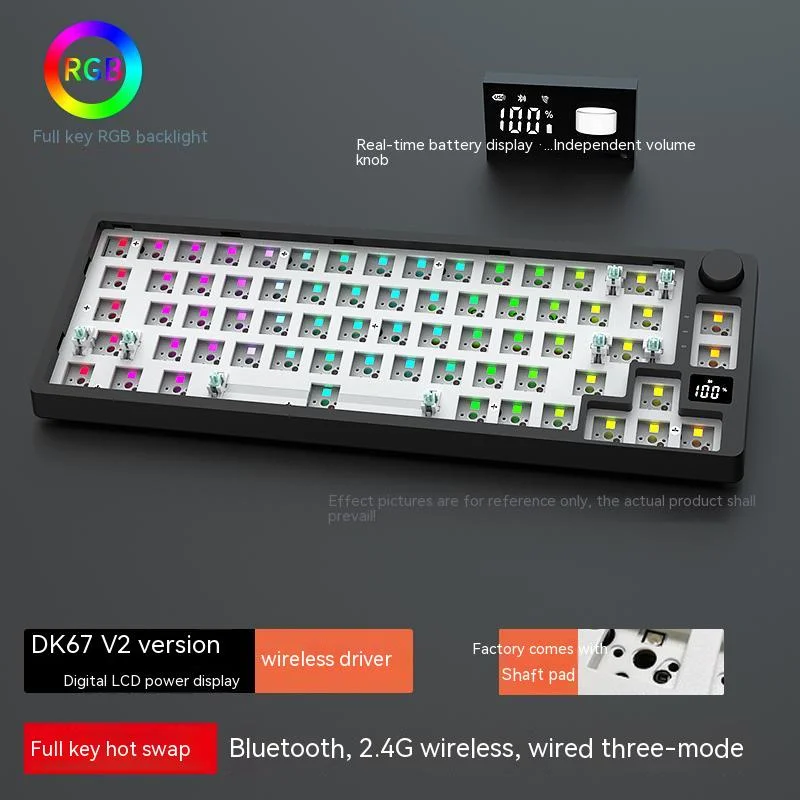
A wireless mechanical keyboard kit typically consists of the following essential components:- PCB (Printed Circuit Board): This is the backbone of your keyboard, housing the electronics and circuitry.
- Switches: Mechanical switches are the heart of your keyboard, offering tactile feedback, durability, and precise actuation.
- Keycaps: Customizable keycaps allow you to personalize your keyboard's look and feel.
- Wireless Module: This component enables wireless connection and stability, ensuring seamless communication between devices.
- Cable Management: A well-designed cable management system helps to keep your keyboard organized and clutter-free.