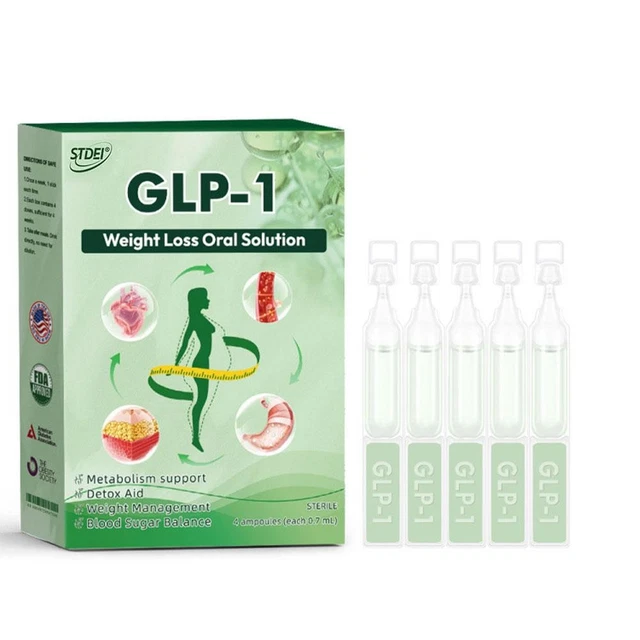
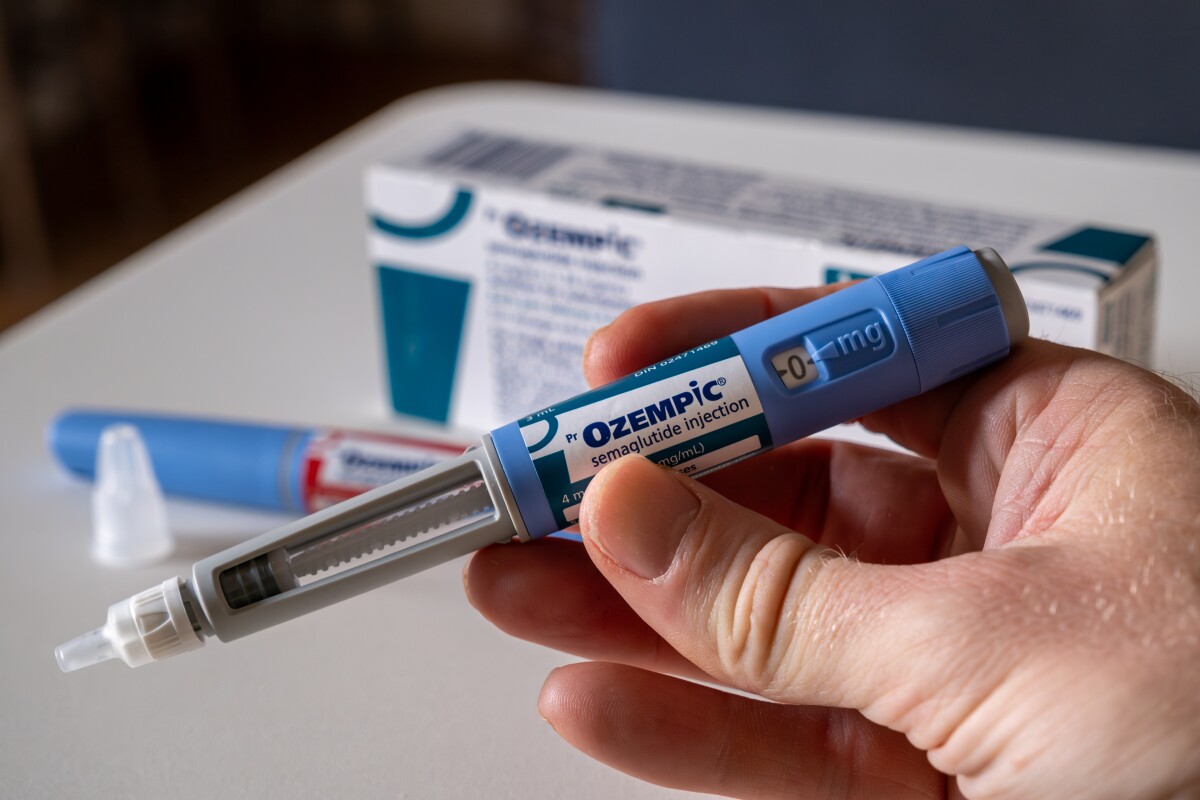
The Emergence of New Weight Loss Meds: How GLP-1 is Revolutionizing the Industry
In recent years, the pharmaceutical industry has witnessed a significant shift in the development and approval of weight loss medications. One of the key factors driving this change is the emergence of glucagon-like peptide-1 (GLP-1) receptor agonists. These medications, originally developed for the treatment of type 2 diabetes, have proven to be highly effective in promoting weight loss and have become a game-changer in the industry.
A Brief Overview of GLP-1 and Its Mechanism
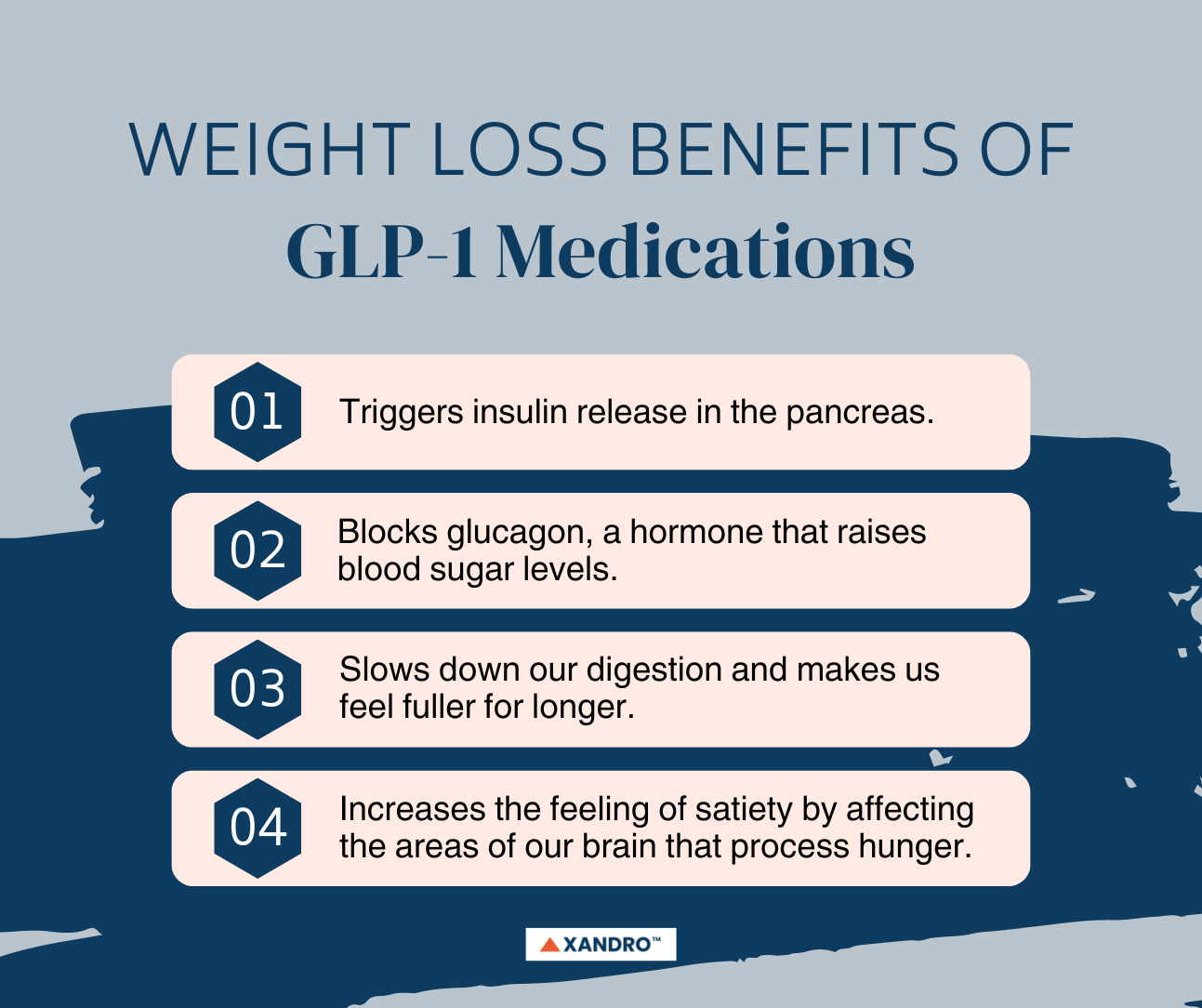
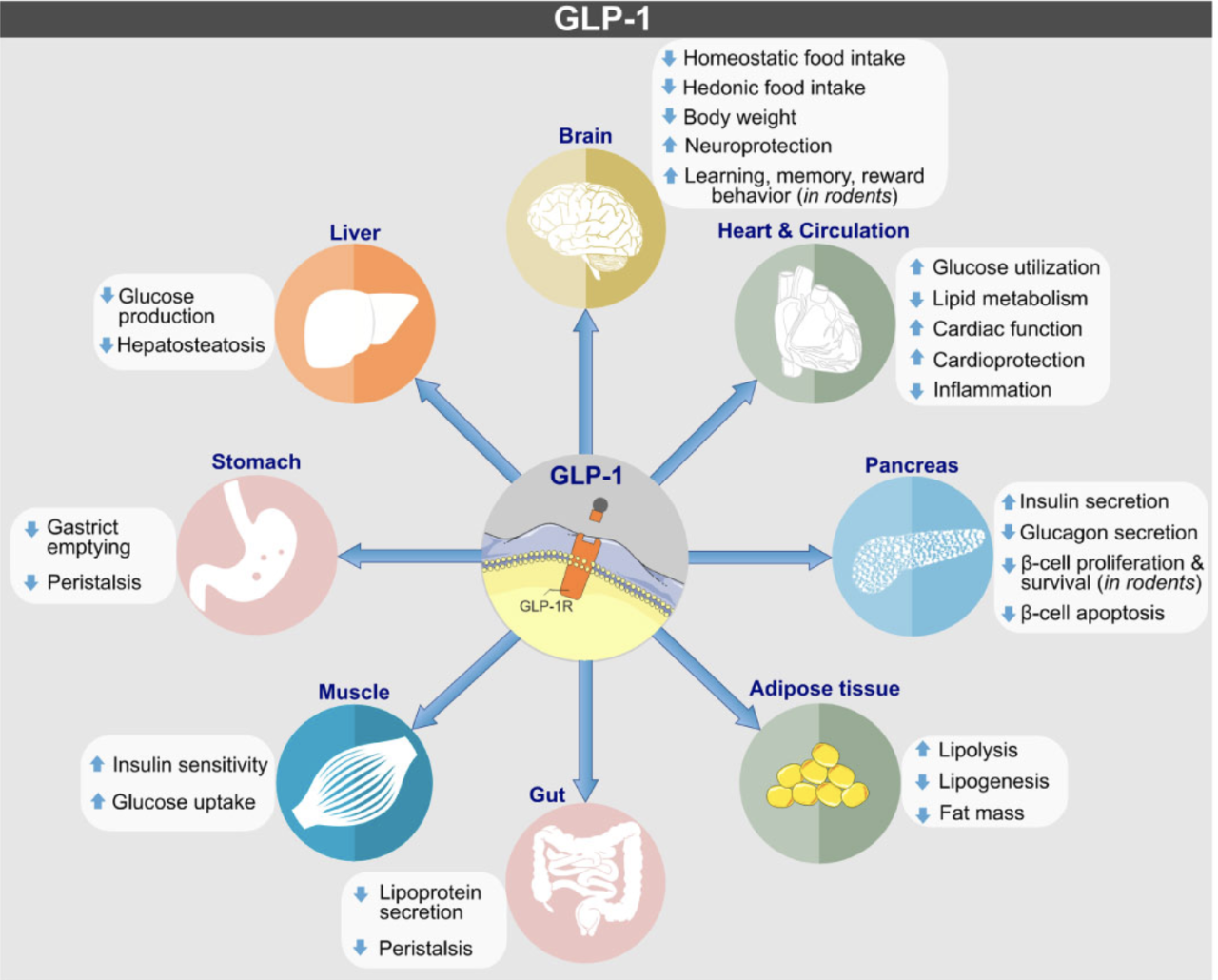
GLP-1 is a naturally occurring hormone that plays a crucial role in regulating blood sugar, digestion, and hunger. GLP-1 receptor agonists mimic the action of this hormone, increasing insulin production, decreasing glucagon levels, and delaying gastric emptying. This results in a feeling of fullness, reduced appetite, and improved glucose metabolism, making them an effective treatment for obesity and type 2 diabetes.

The Rise of GLP-1 Weight Loss Medications
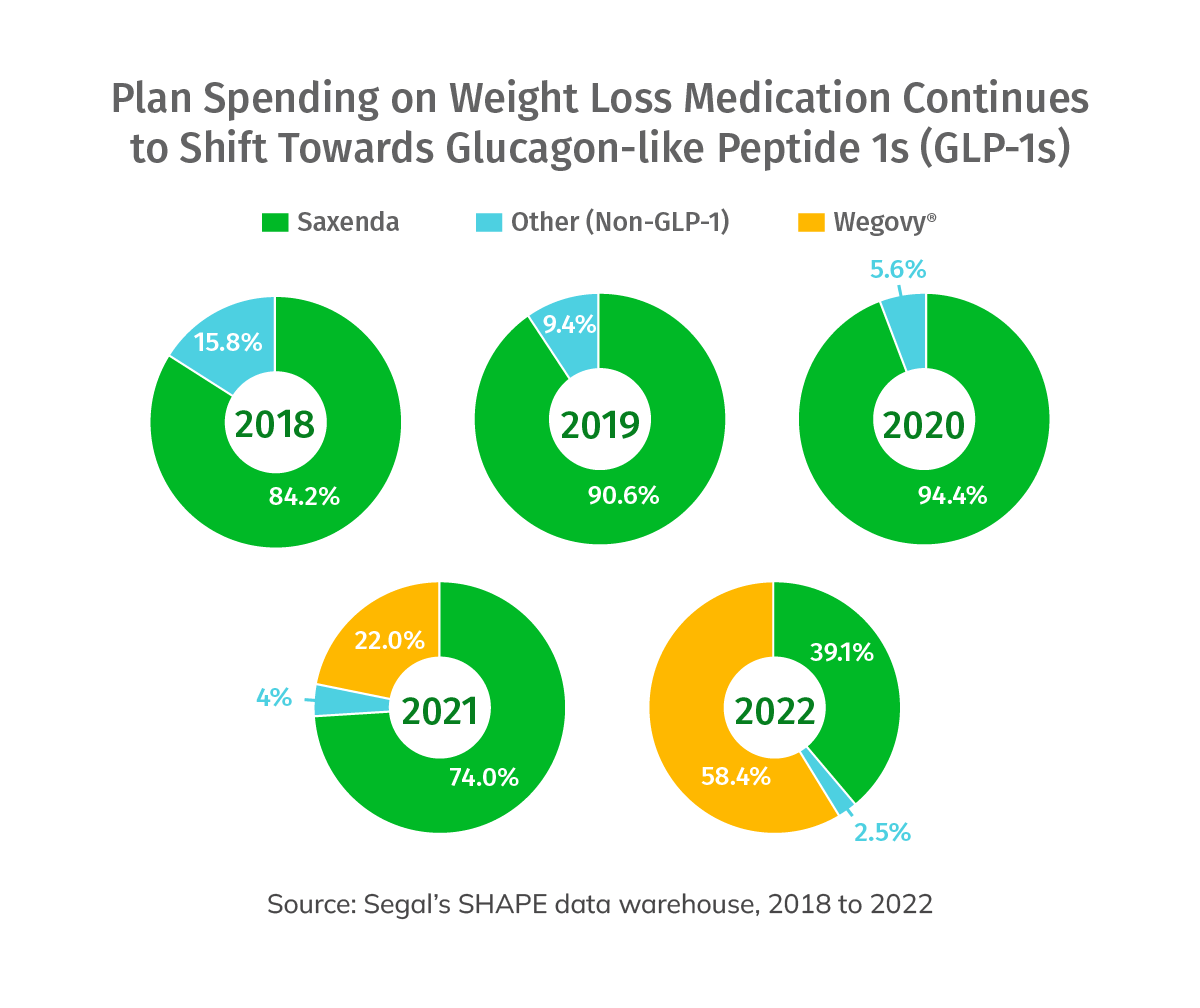
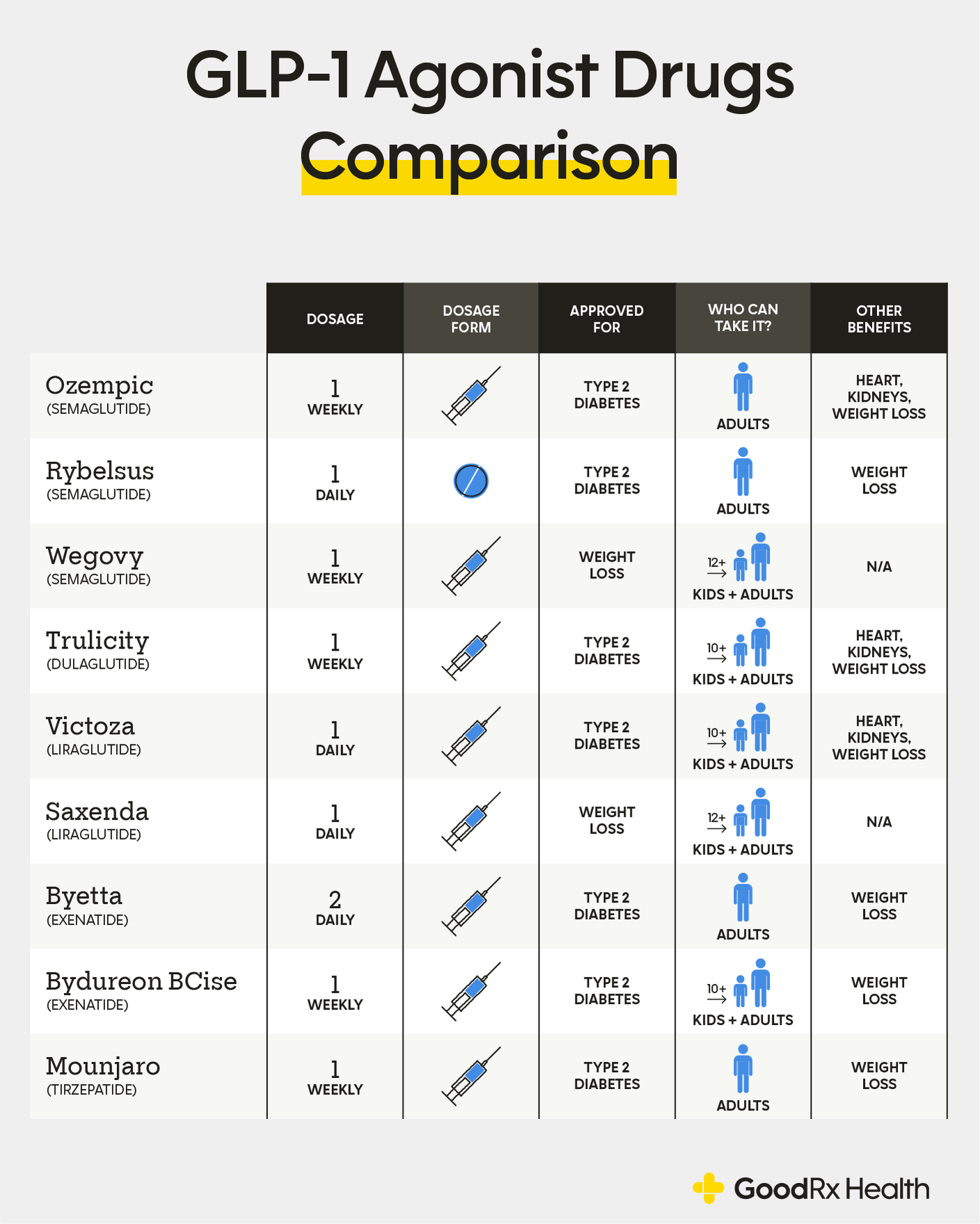
The approval of GLP-1 weight loss medications has been rapid, with several drugs already on the market and many more in the pipeline. The first GLP-1 weight loss medication, liraglutide, was approved in 2014, and since then, several others have followed, including semaglutide, tirzepatide, and retatrutide. These medications have been shown to be highly effective in promoting weight loss, with some studies demonstrating a weight loss of up to 15% of initial body weight.