Carbon Offset Project Evaluation Criteria: A Comprehensive Guide
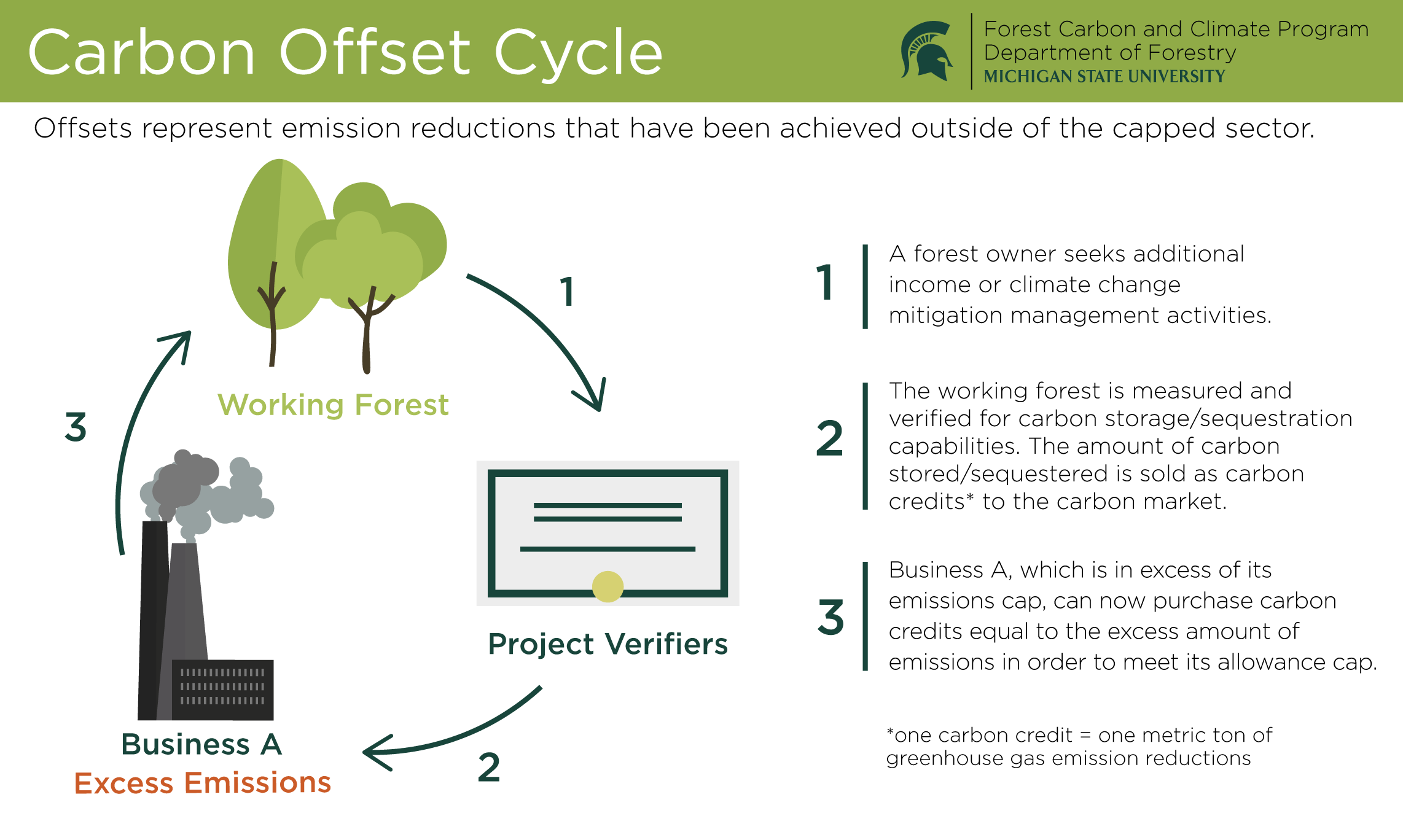
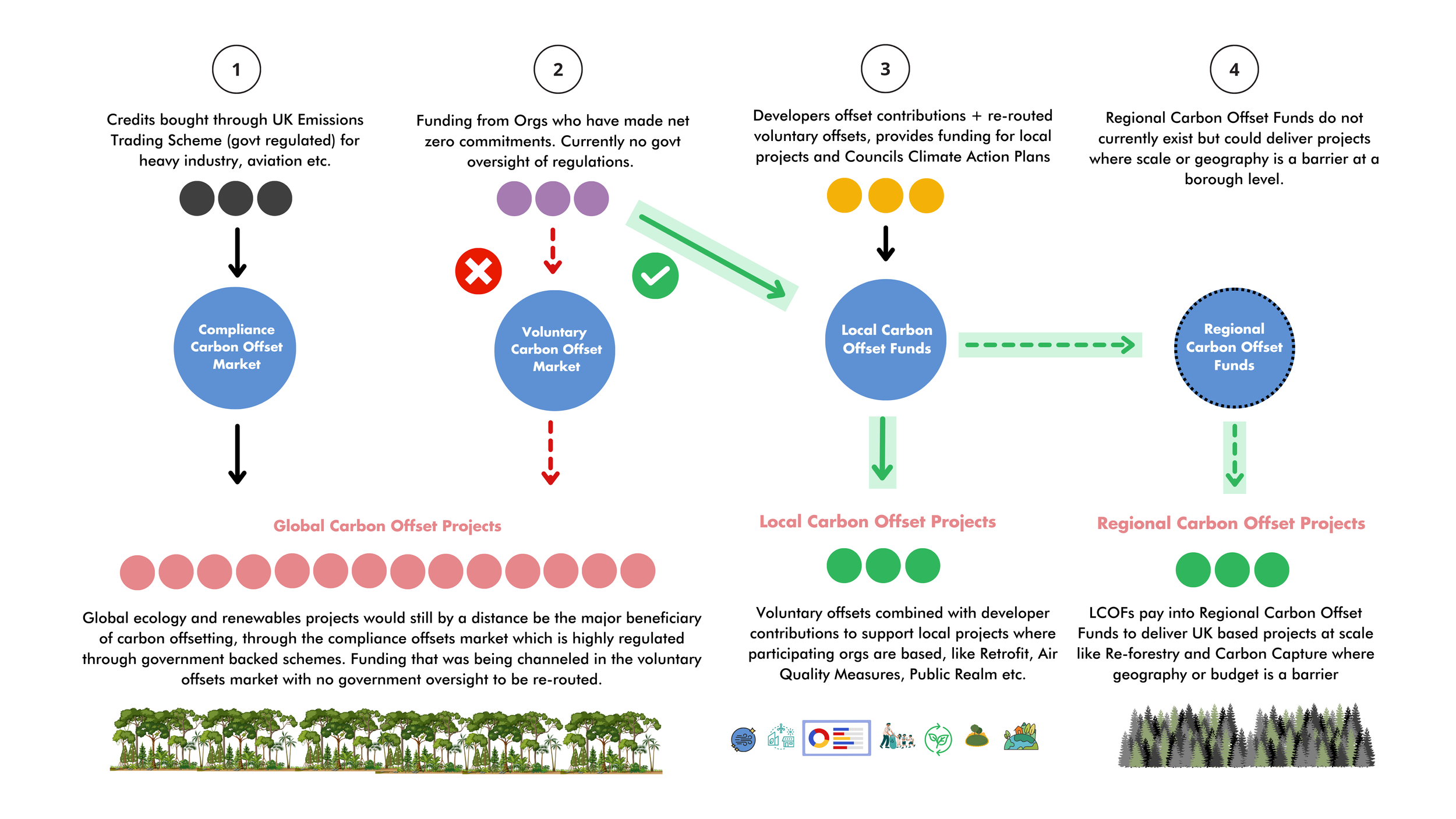
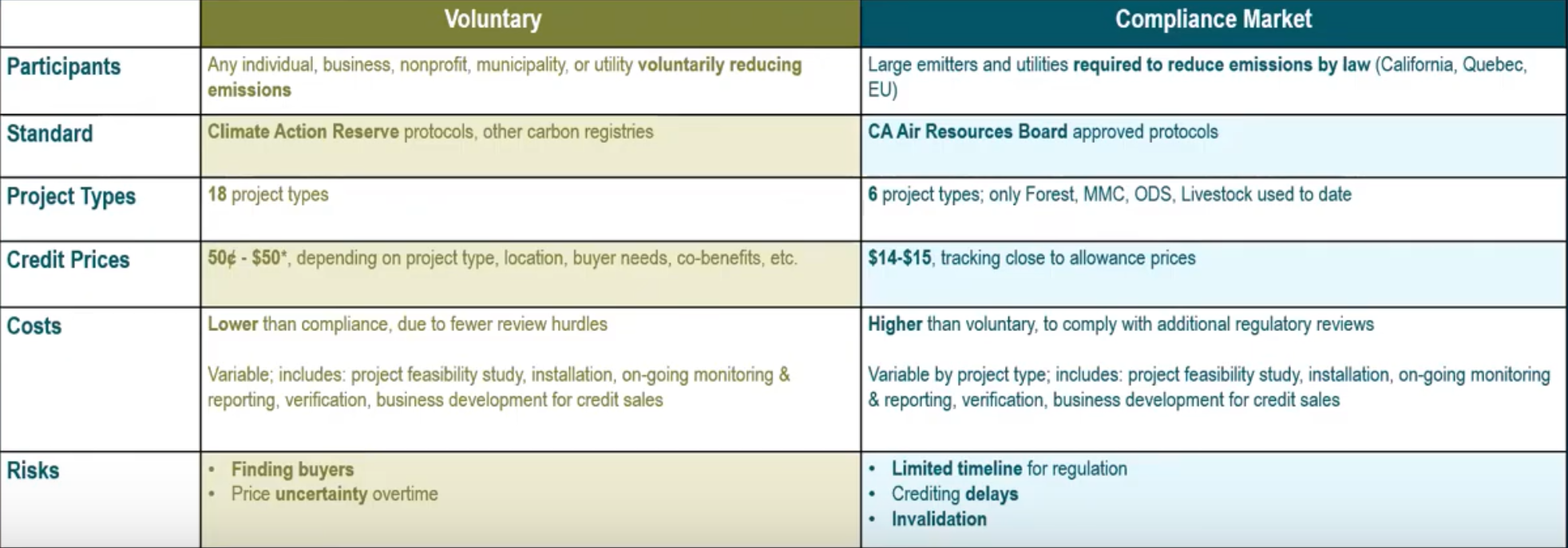
What are Carbon Offset Projects?
Evaluation Criteria for Carbon Offset Projects
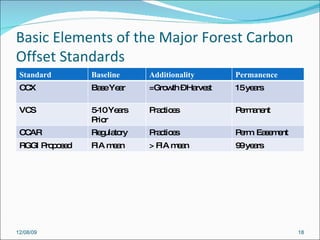
- ADDITIONALITY: The project must demonstrate that the emission reductions would not have occurred without the project. In other words, the project must be additional to what would have happened otherwise.
- MONITORING, REPORTING, AND VERIFICATION (MRV): The project must have a robust monitoring, reporting, and verification process in place to ensure that the claimed emission reductions are accurate and quantifiable.
- PERMANENCE: The project must demonstrate that the emission reductions are permanent and not reversible, meaning that the carbon dioxide is not returned to the atmosphere.
- LEAKAGE: The project must demonstrate that it does not shift emissions elsewhere, such as from one location to another.
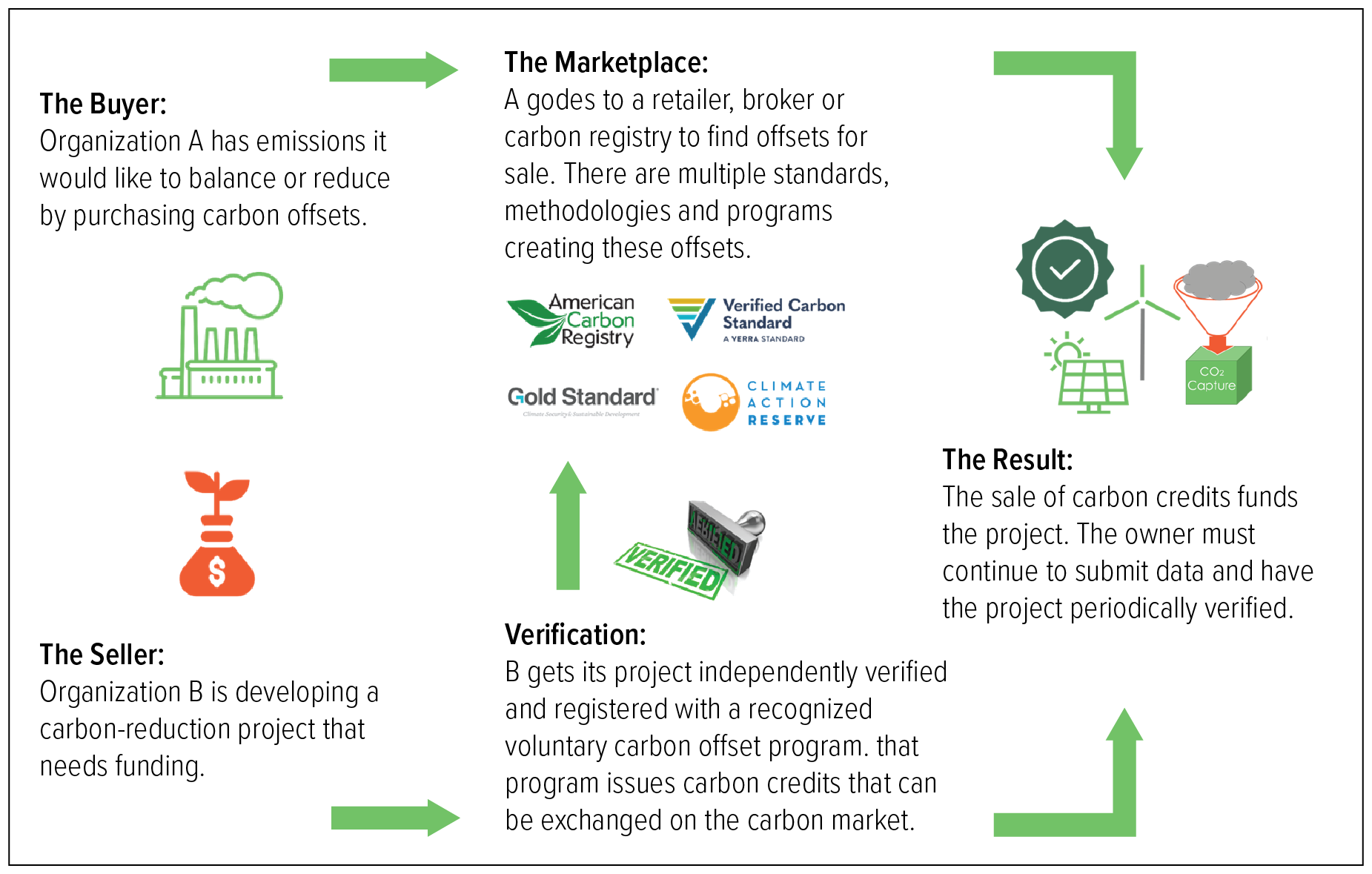
- REGISTRIES: The project must be registered with a recognized carbon offset registry to ensure that the credits are legitimate and tradable.
- OXFORD PRINCIPLES: The project must adhere to the Oxford Principles for Carbon Offset Projects, which outline best practices for carbon offsetting.
Independent Verification and Validation
Guidelines for Evaluating Carbon Offset Projects
- Verify the project's methodology: Ensure that the project uses a tried-and-tested methodology for calculating emissions reductions.
- Assess the project's impact: Evaluate the project's impact on local communities, the environment, and the supply chain.
- Check for certification: Ensure that the project has been certified by a recognized carbon offset standard, such as the Verified Carbon Standard (VCS) or the Gold Standard.
- Evaluate project governance: Assess the project's governance structure, financial management, and reporting practices.
Conclusion
How to Buy Carbon Offsets with Confidence
- Research the project: Investigate the project's methodology, impact, and governance.
- Verify the project's certification: Ensure that the project has been certified by a recognized carbon offset standard.
- Assess the project's additionality: Ensure that the project demonstrates additional emissions reductions.
- Evaluate the project's permanence: Ensure that the project's emissions reductions are permanent and not reversible.
- Check for leakage: Ensure that the project does not shift emissions elsewhere.