Understanding the Connection between Obesity and GLP-1 Hormone
The human body is a complex system governed by a delicate balance of hormones, which play a crucial role in regulating various bodily functions, including appetite, metabolism, and blood sugar levels. Among these hormones, glucagon-like peptide-1 (GLP-1) has emerged as a key player in managing obesity and weight loss. In this article, we will delve into the relationship between obesity and GLP-1 hormone, exploring its mechanisms, benefits, and potential therapeutic applications.
The Role of GLP-1 Hormone in Weight Regulation
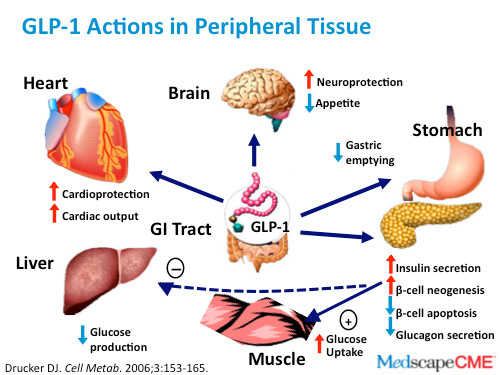
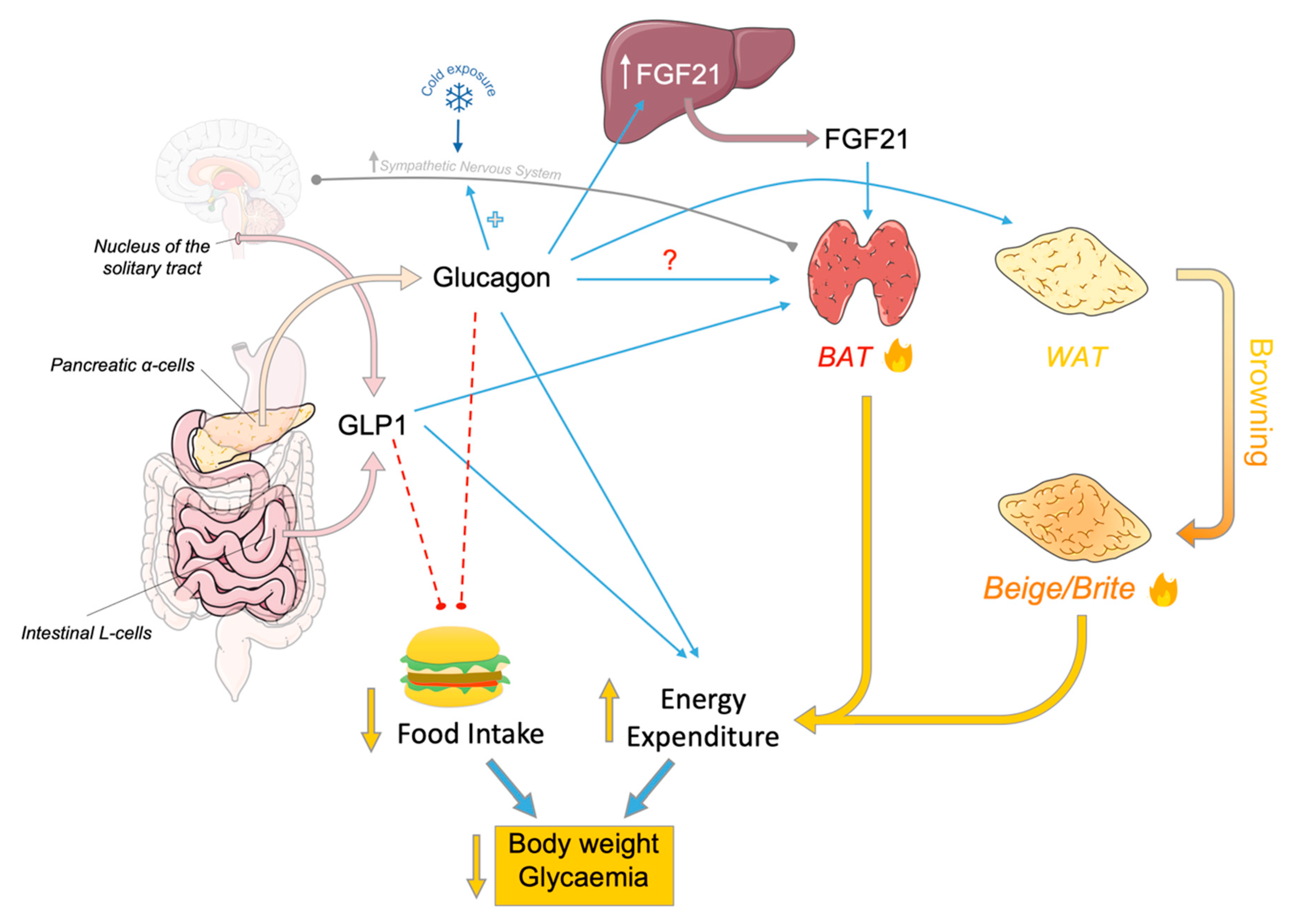
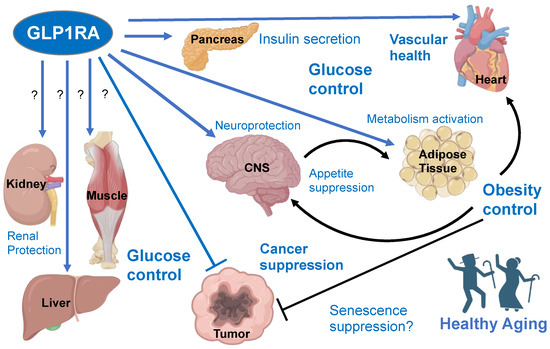
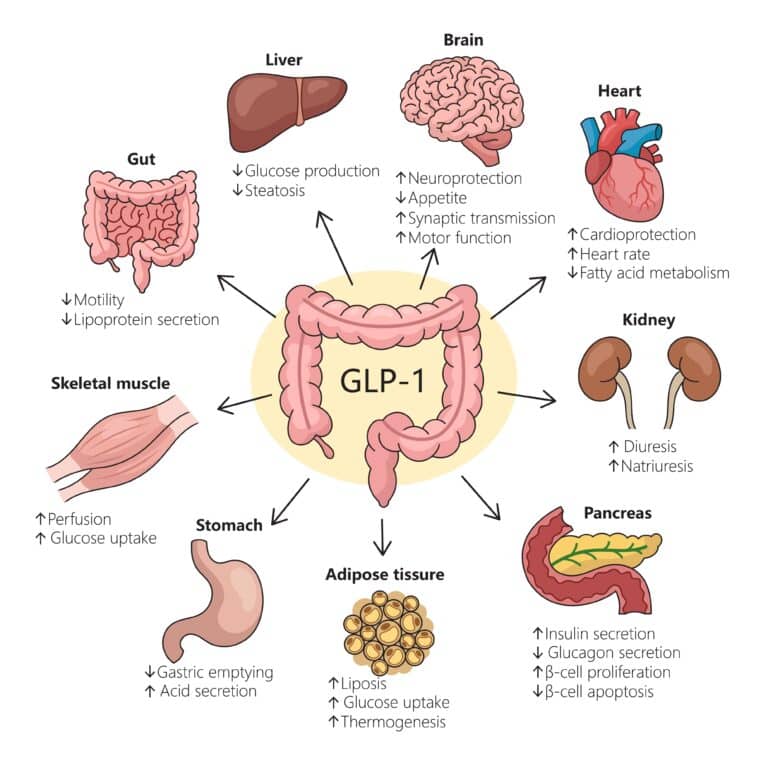
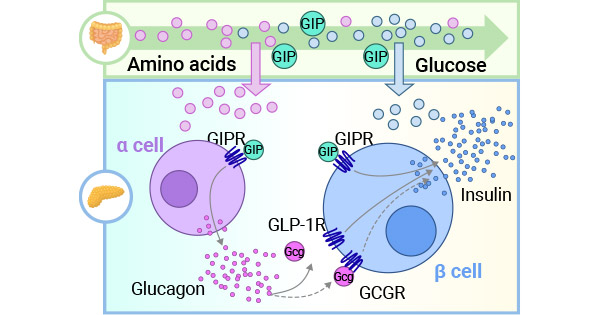
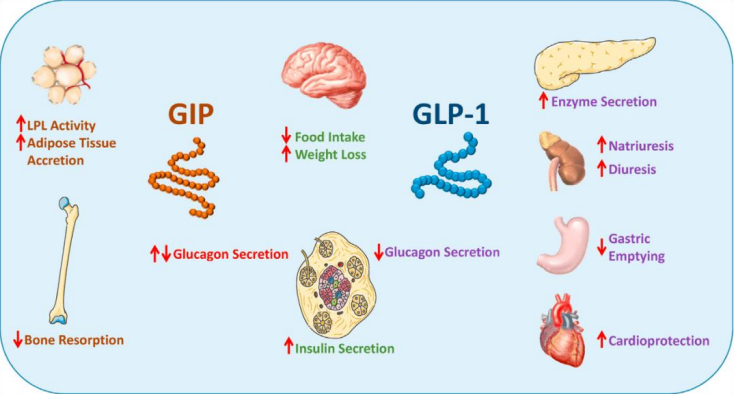
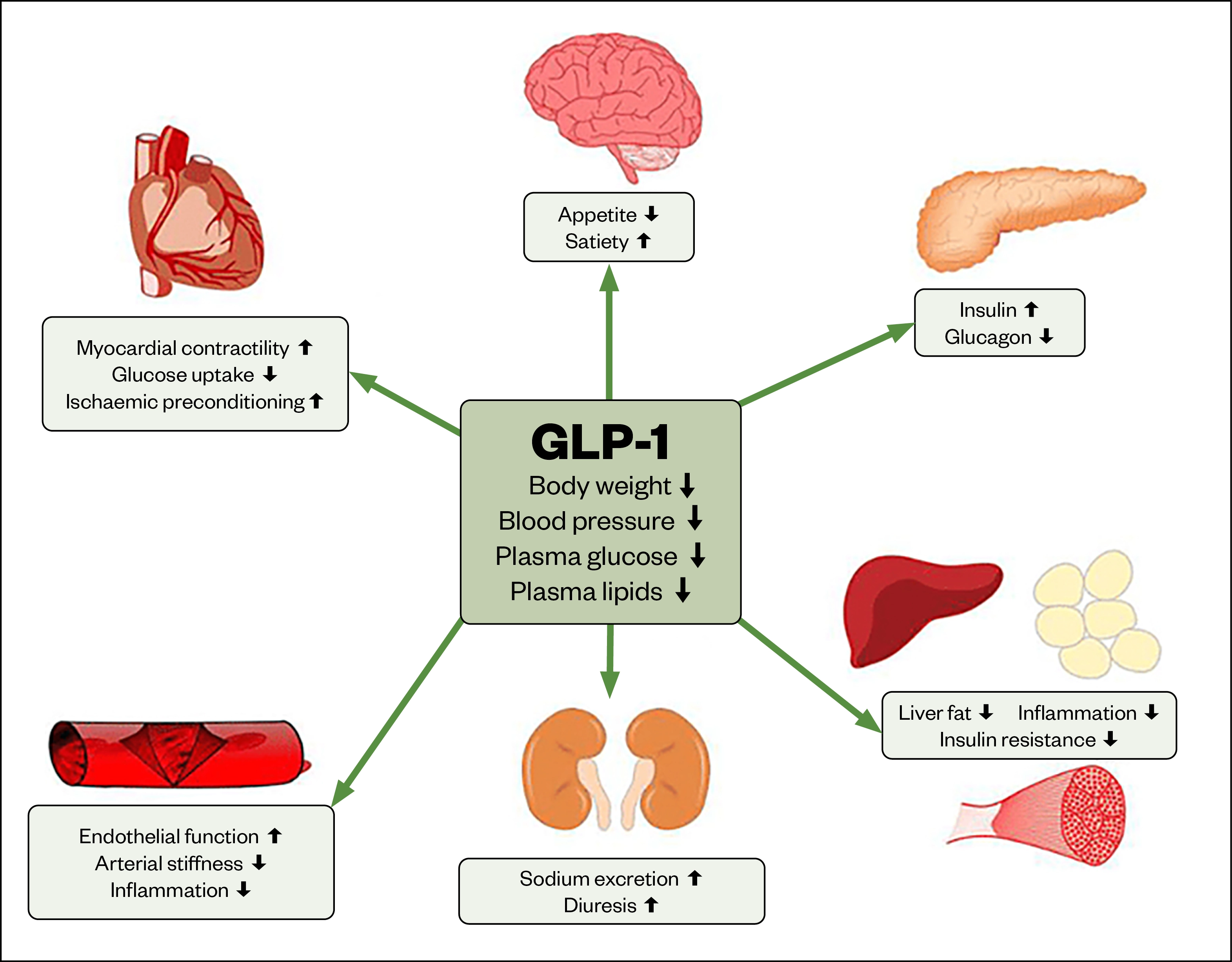
GLP-1 hormone is an incretin hormone produced by the intestines in response to food intake. It plays a vital role in regulating blood sugar levels, appetite, and metabolism. GLP-1 hormone helps stimulate insulin secretion, suppresses glucagon release, and slows gastric emptying, which ultimately leads to a reduction in appetite and food intake.
How GLP-1 Hormone Affects Obesity
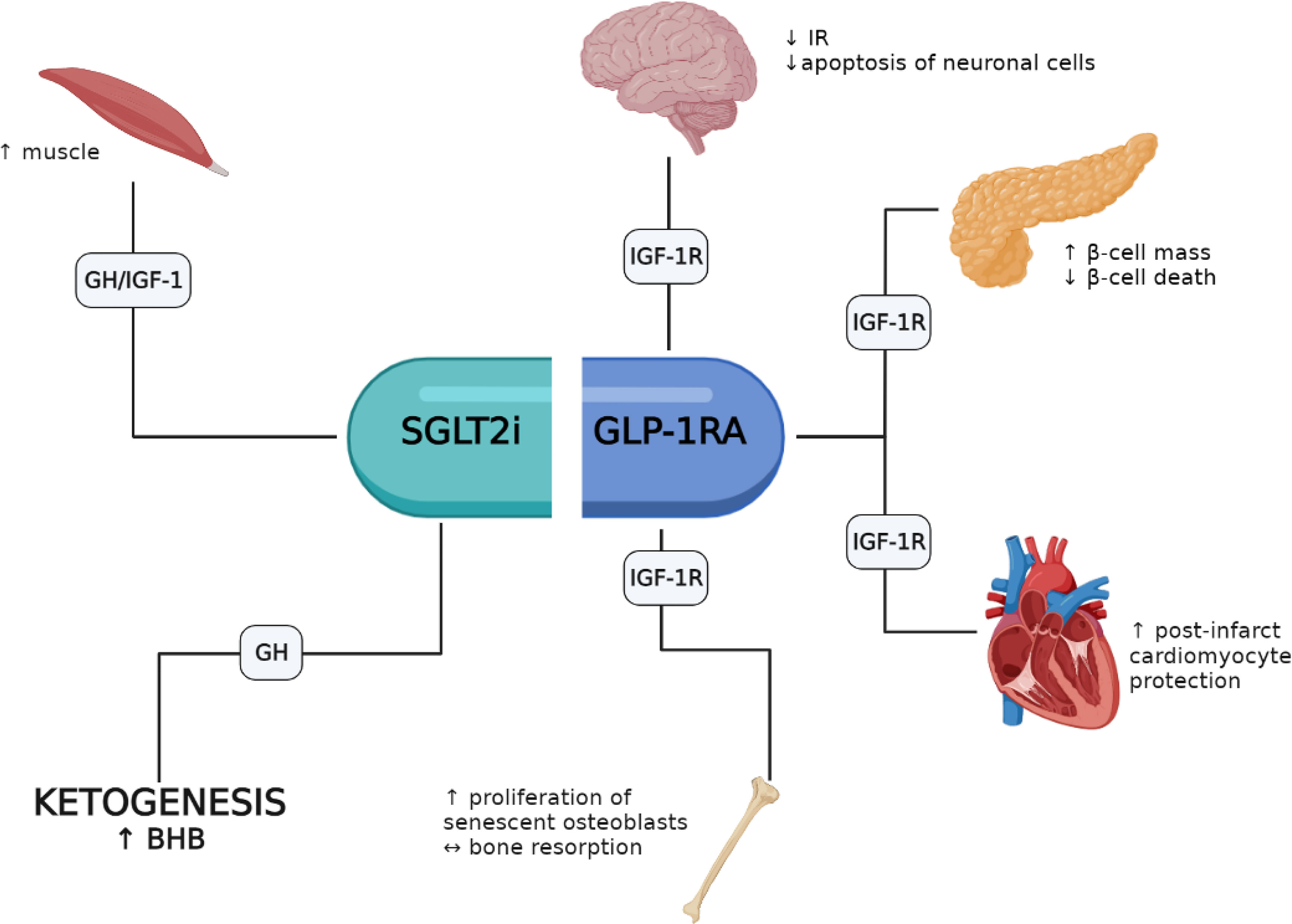
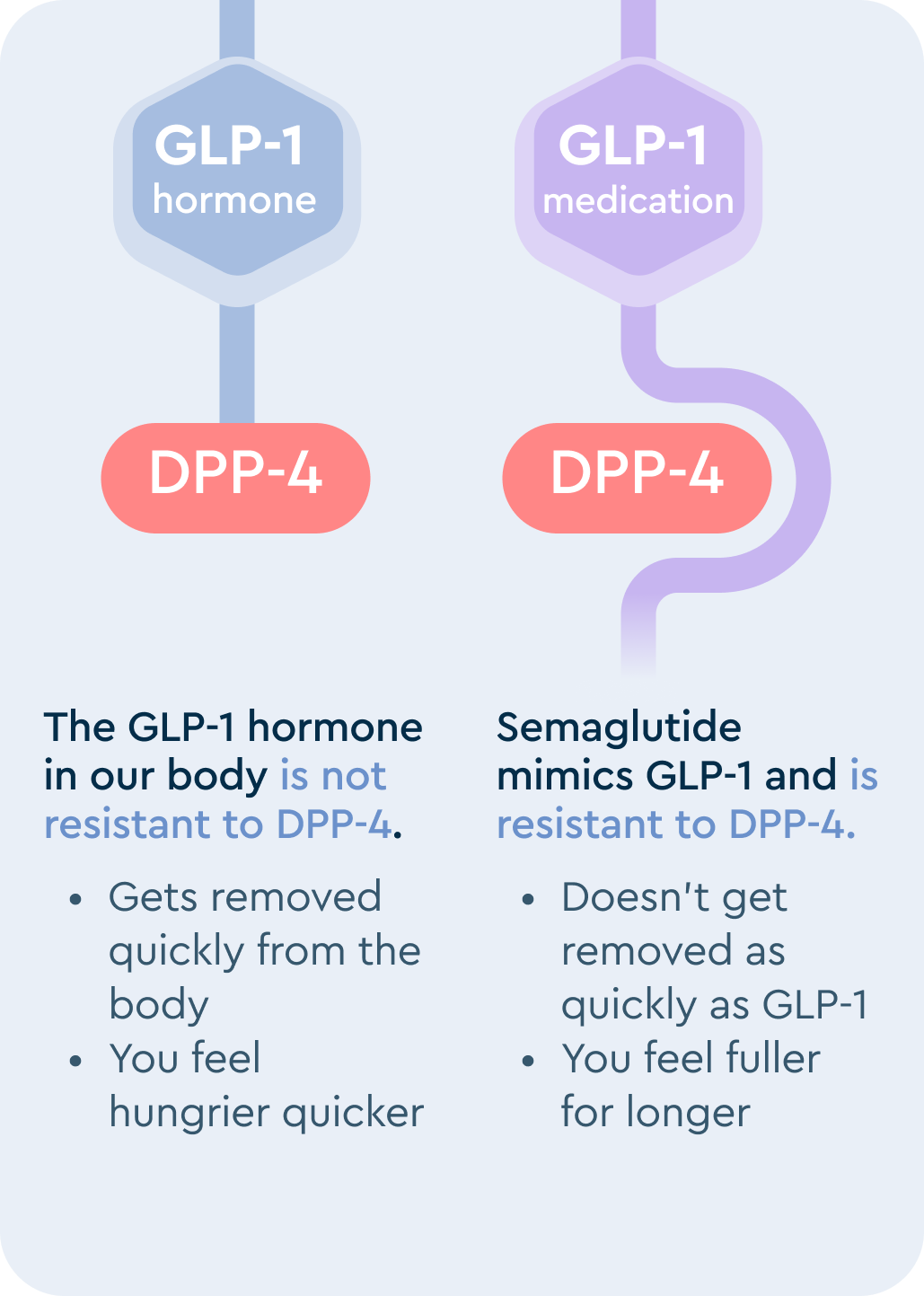
Research has shown that GLP-1 hormone has a profound impact on weight regulation. By mimicking the natural GLP-1 hormone, GLP-1 therapies (glucagon-like peptide-1 receptor agonists) can help reduce appetite, increase feelings of fullness, and improve insulin sensitivity. This, in turn, can lead to significant weight loss and improved metabolic health.