Profiling GLP-1 for Weight Loss: A Comprehensive Guide
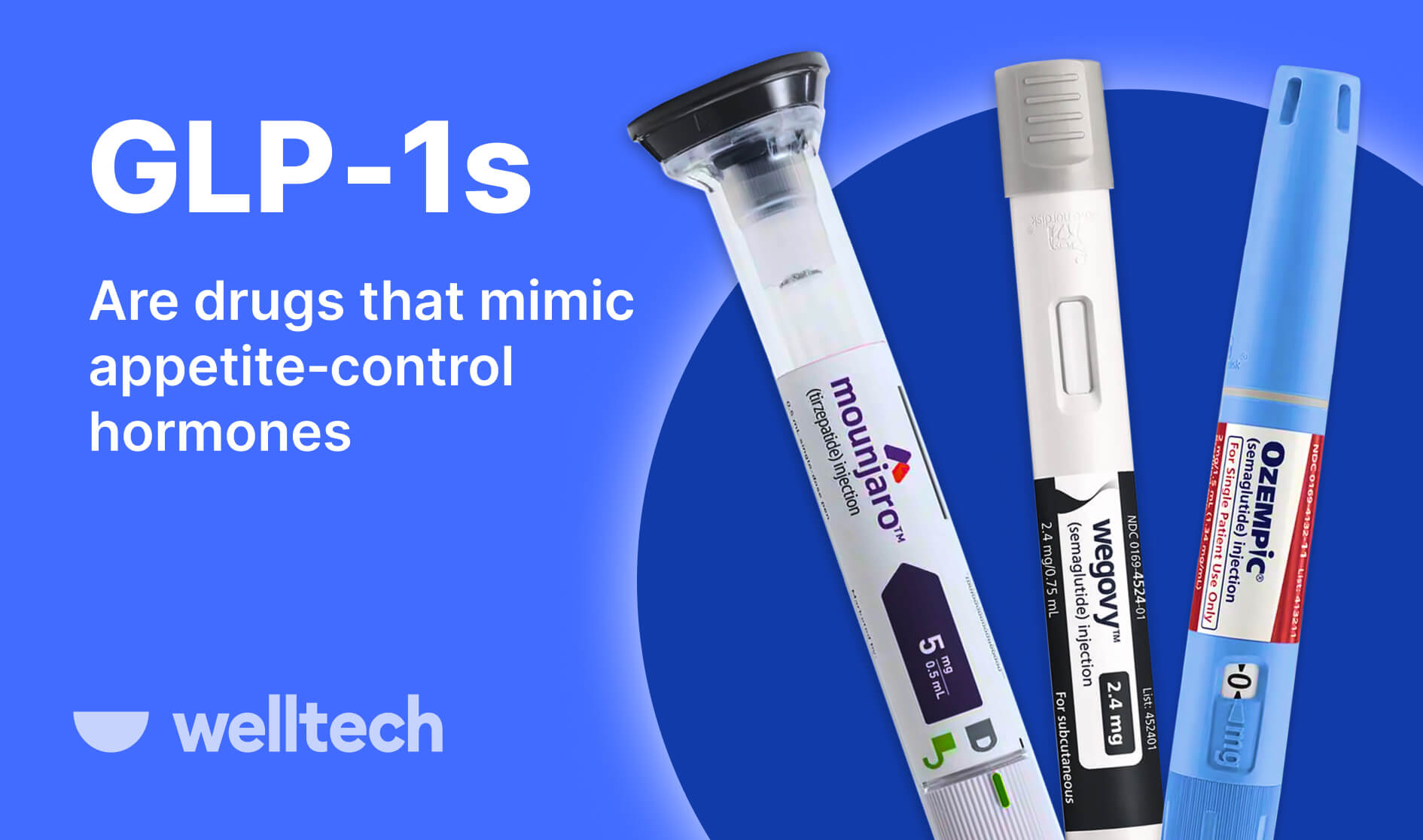
The emergence of glucagon-like peptide-1 (GLP-1) receptor agonists has revolutionized the field of weight management. These medications have shown remarkable efficacy in promoting significant weight loss, making them a popular choice for individuals struggling with obesity. In this article, we will delve into the world of GLP-1 for weight loss, exploring its mechanism of action, benefits, and potential drawbacks.
The Science Behind GLP-1
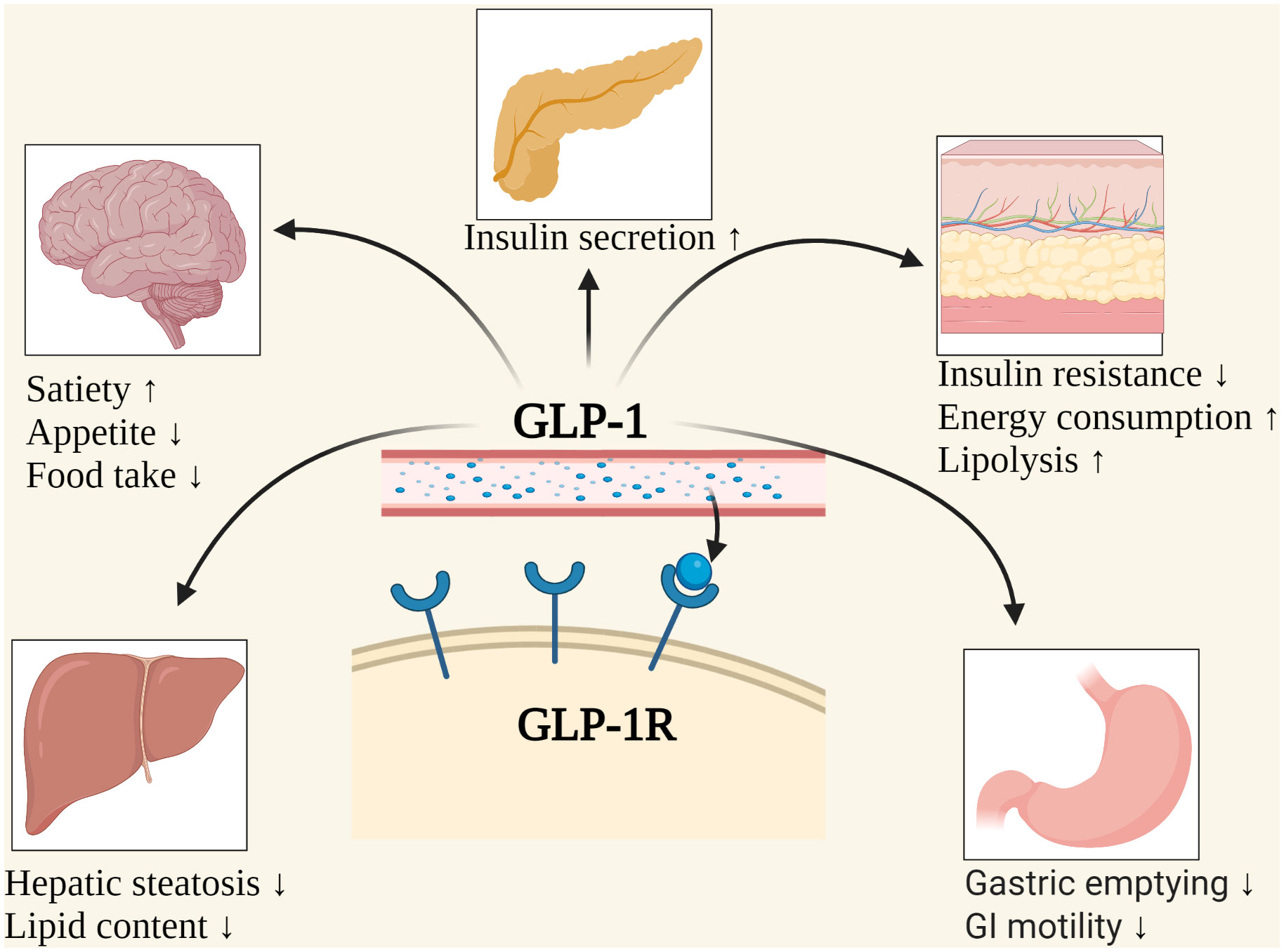
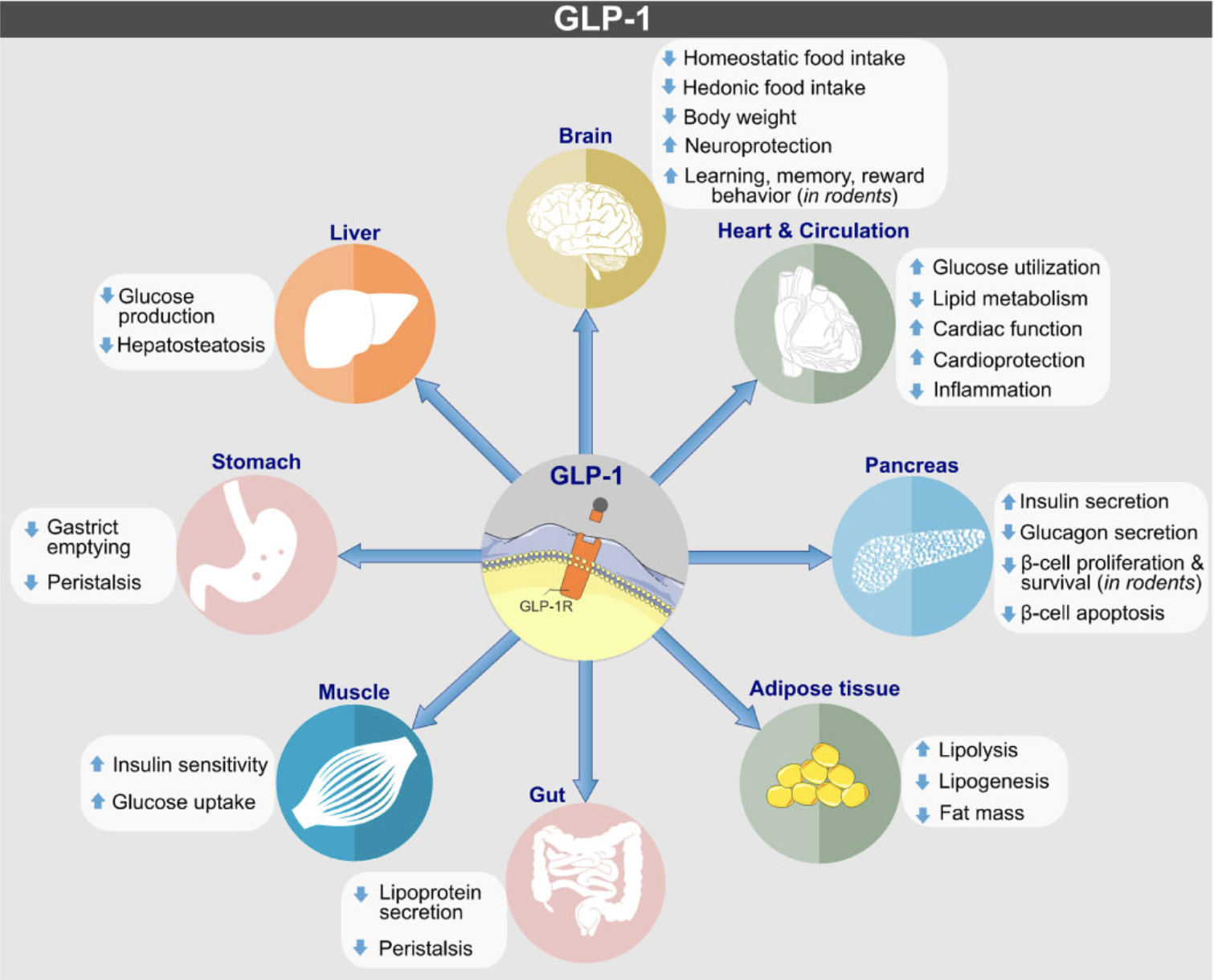
GLP-1 is a natural hormone produced by the intestines in response to food intake. It plays a crucial role in regulating blood sugar levels, insulin release, and appetite. GLP-1 receptor agonists mimic the action of natural GLP-1, increasing insulin secretion, decreasing glucagon levels, and slowing gastric emptying. This results in a feeling of fullness, reduced hunger, and improved glucose control.

Benefits of GLP-1 for Weight Loss
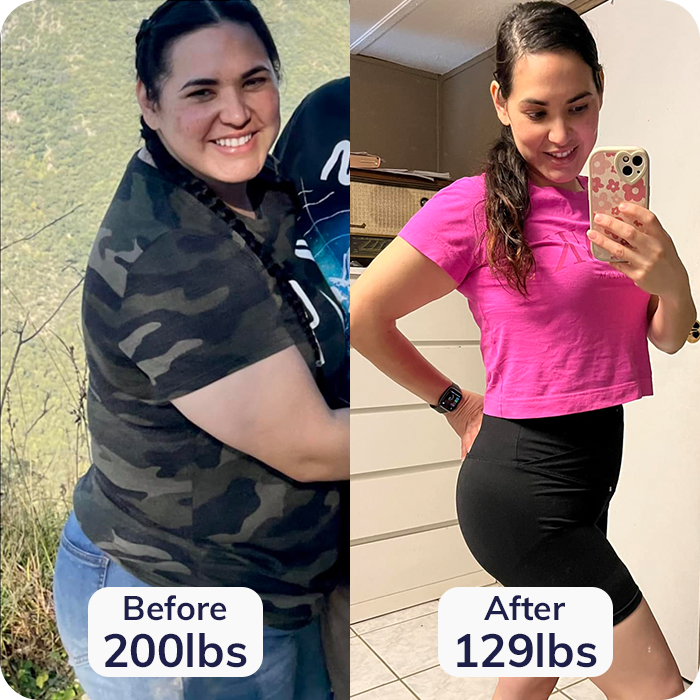
- Significant weight loss: GLP-1 medications have been shown to promote weight loss of up to 15% or more of initial body weight.
- Improved glucose control: GLP-1 receptor agonists have been found to reduce HbA1c levels, improving glucose control in individuals with type 2 diabetes.
- Cardiovascular benefits: GLP-1 medications have been associated with a reduced risk of heart attack, stroke, and heart failure.
- Increased satiety: GLP-1 receptor agonists can help reduce hunger and increase feelings of fullness, making it easier to stick to a weight loss diet.