Understanding Reflective Insulation for Warehouse Roofs
As a facility manager, you're likely no stranger to the importance of reducing energy costs and maintaining a comfortable indoor climate. One often-overlooked solution is reflective insulation for warehouse roofs, a technology that can make a significant difference in your energy efficiency and overall operations.
What is Reflective Insulation?
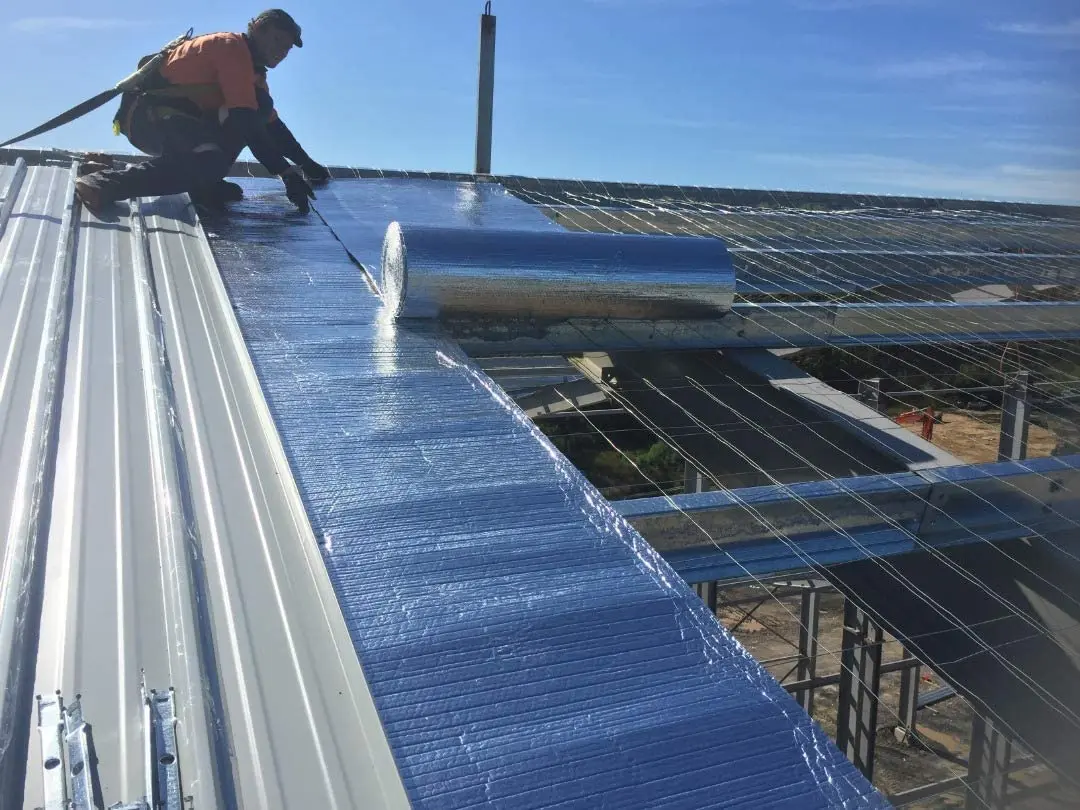
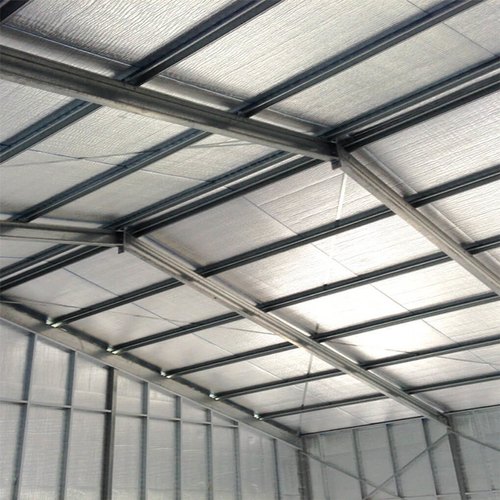
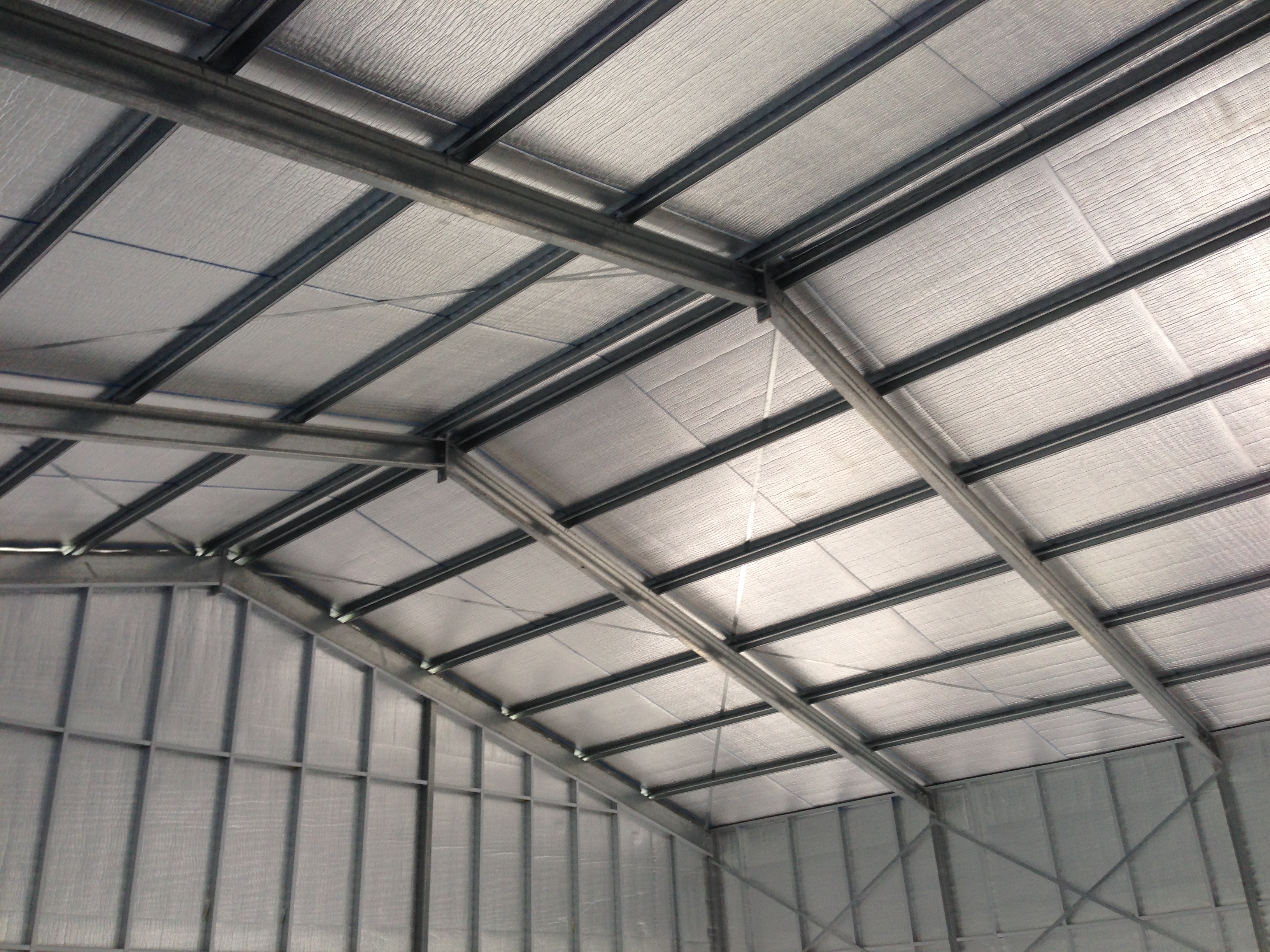
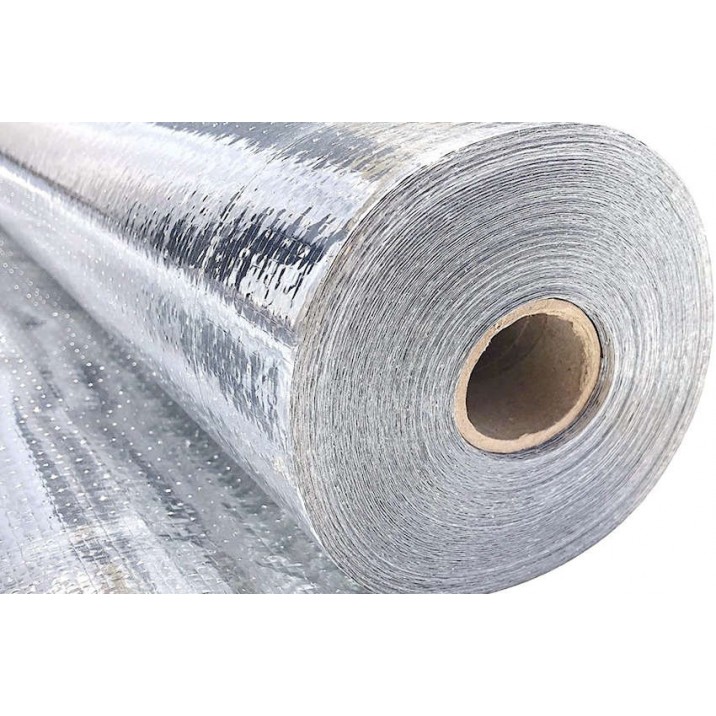
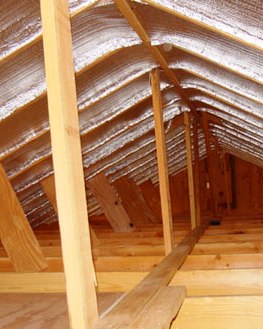
Reflective insulation is a type of insulation material that reflects radiant heat rather than absorbing it. This unique property allows it to effectively reduce heat transfer between the outside and inside of a building, keeping your warehouse cool in the summer and warm in the winter.
Benefits of Reflective Insulation for Warehouse Roofs

- Energy Savings: By reducing heat transfer, reflective insulation can help you save on energy costs and reduce your carbon footprint.
- Improved Indoor Climate: With a more stable temperature, you can maintain a comfortable indoor climate, reducing the need for heating and cooling systems.
- Prolonged Equipment Life: Reduced heat stress can extend the lifespan of your HVAC equipment, saving you money and maintenance hassle.
- Increased Efficiency: Reflective insulation can help reduce cooling loads, allowing your HVAC system to operate more efficiently and effectively.
How Does Reflective Insulation Work?
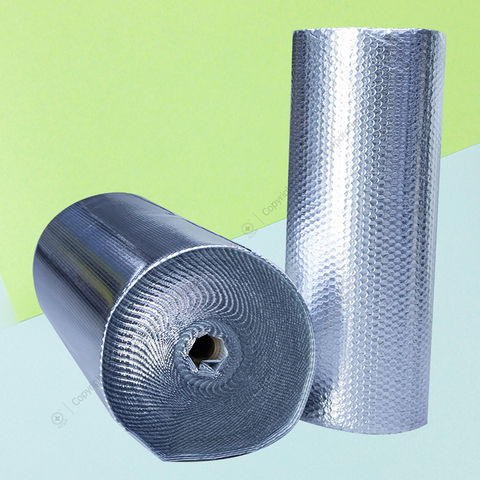
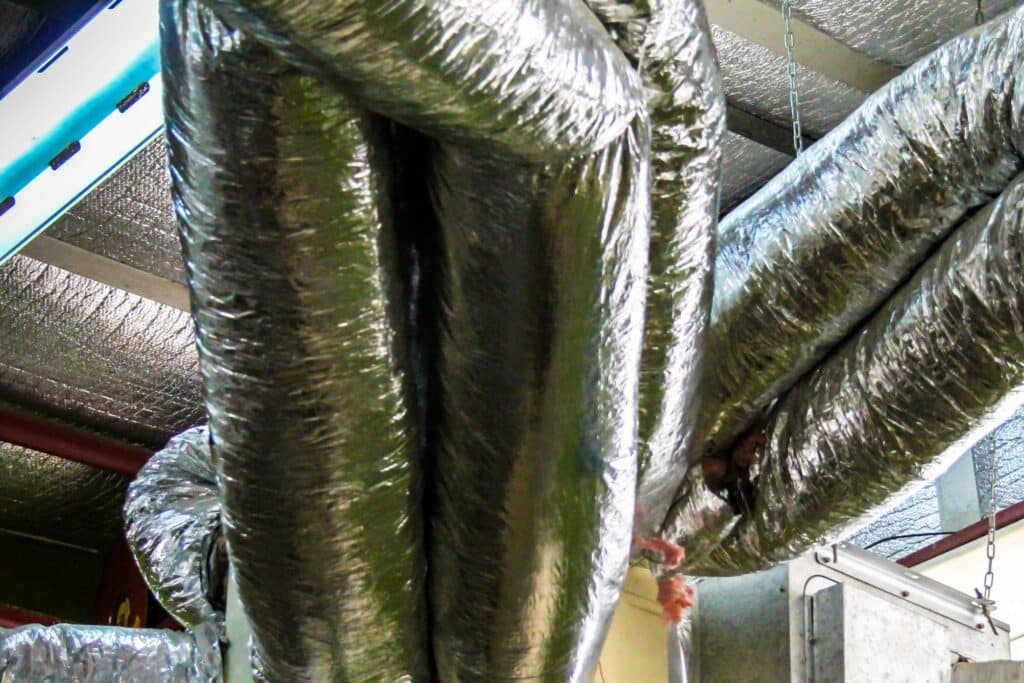
Reflective insulation works by using a radiant barrier material, typically aluminum foil, which reflects radiant heat back to its source. This is in contrast to traditional insulation materials, which absorb heat energy and transfer it to the inside of the building. By reflecting this heat, reflective insulation creates a thermal break, reducing heat transfer and maintaining a more stable indoor temperature.