Small Business Trademark Requirements: A Comprehensive Guide
As a small business owner, protecting your brand and intellectual property is crucial for success. One of the most effective ways to do this is by registering a trademark. In this article, we will delve into the small business trademark requirements and provide a step-by-step guide on how to register and maintain a trademark for your business.
What is a Trademark?
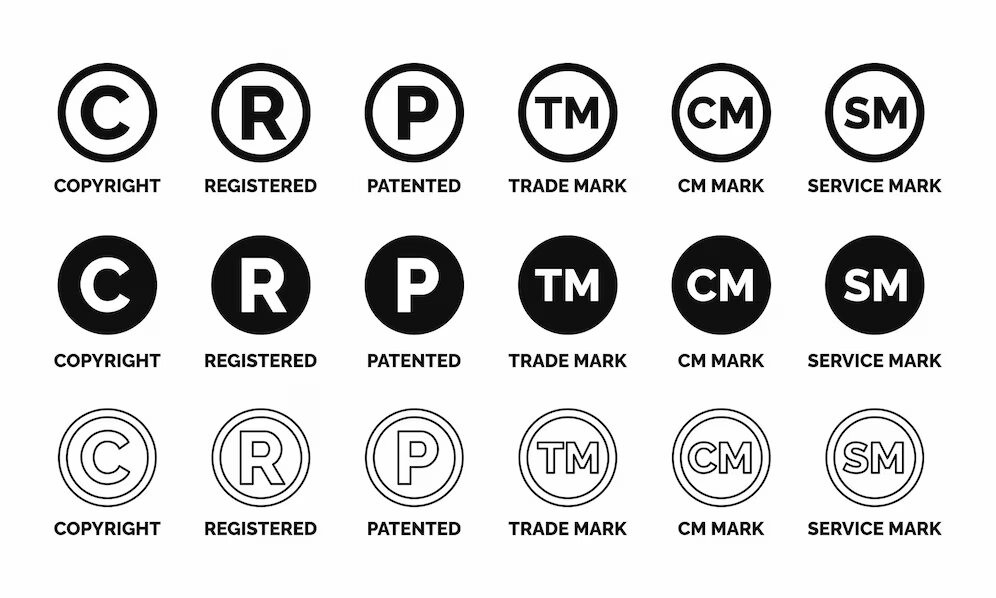
A trademark is a sign that distinguishes your business' goods or services from those of other traders and businesses. It can be presented in various forms, including letters, words, names, signatures, images, and more. Think of Nike's "Just Do It" slogan or the "swish" logo - these are all trademarks that help customers recognize the brand.
Why is Trademark Registration Important?
Registering a trademark provides several benefits for small businesses, including:

- Protection of your brand identity
- Prevention of trademark infringement
- Right to sue for damages and attorney's fees
- Priority in case of a dispute over the trademark
How to Register a Trademark as a Small Business
The process of registering a trademark as a small business involves the following steps:
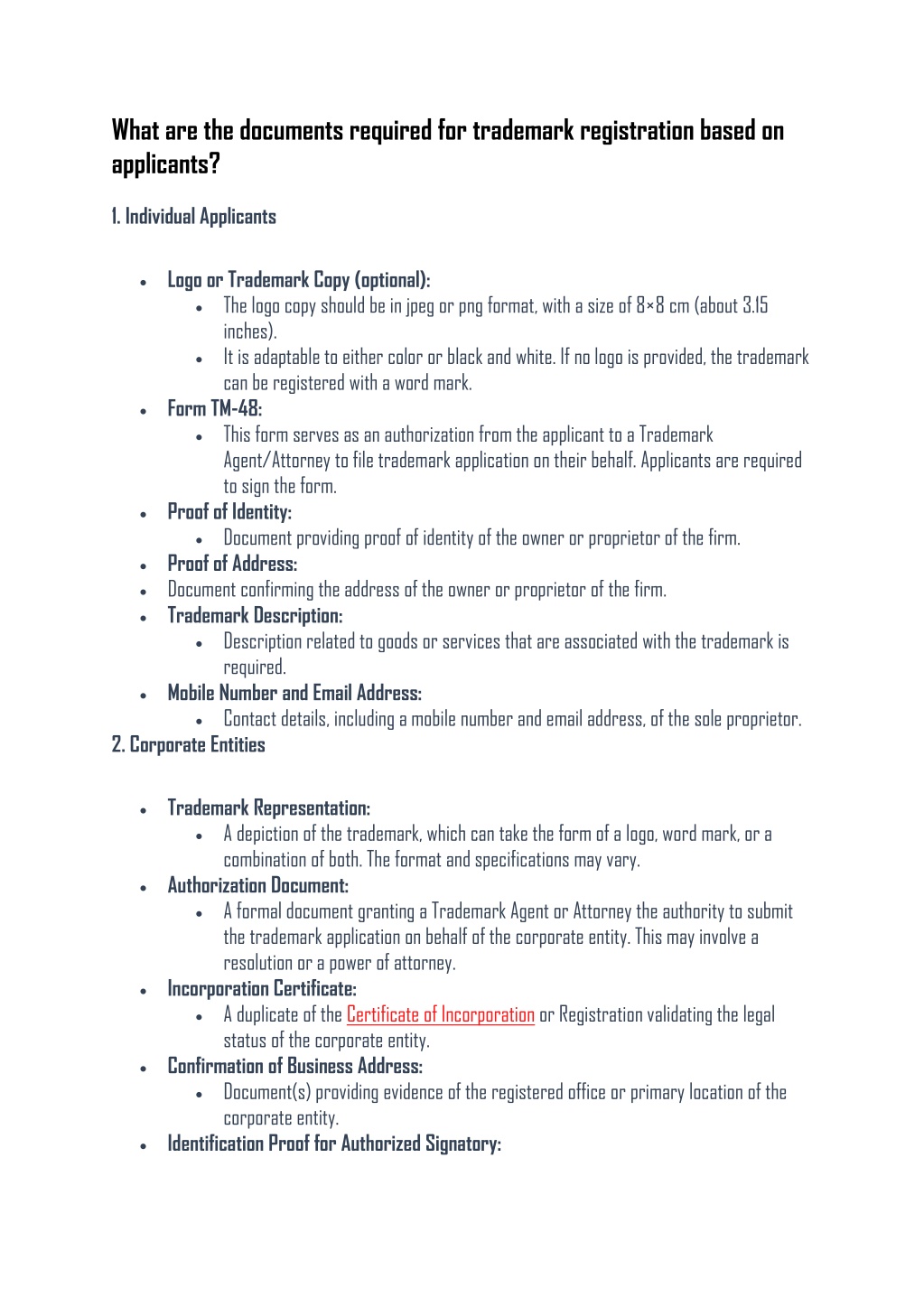
- Conduct a trademark search: Use the United States Patent and Trademark Office (USPTO) database to ensure your desired trademark is not already in use.
- Choose classes: Select the relevant classes of goods or services that your business provides.
- File TEAS: File your trademark application using the Trademark Electronic Application System (TEAS).
- Respond to office actions: If the USPTO requires additional information or clarification, respond promptly to avoid delays.
- Renew your trademark: Register your trademark for a specified period, usually 10 years, and renew as necessary.