Understanding Transportation Export Licenses: A Comprehensive Guide
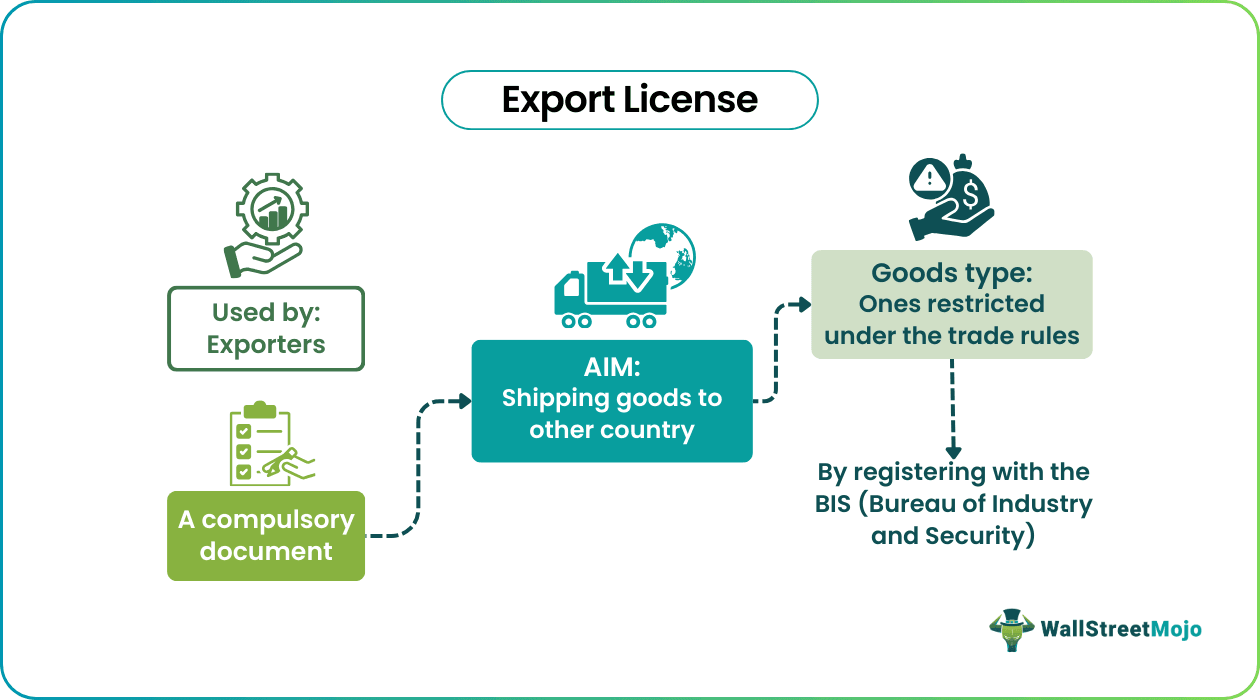
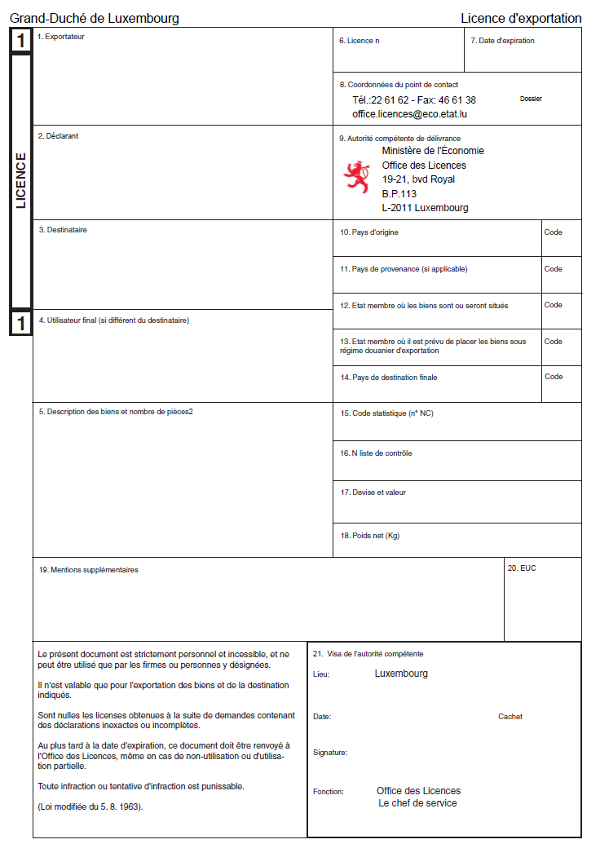
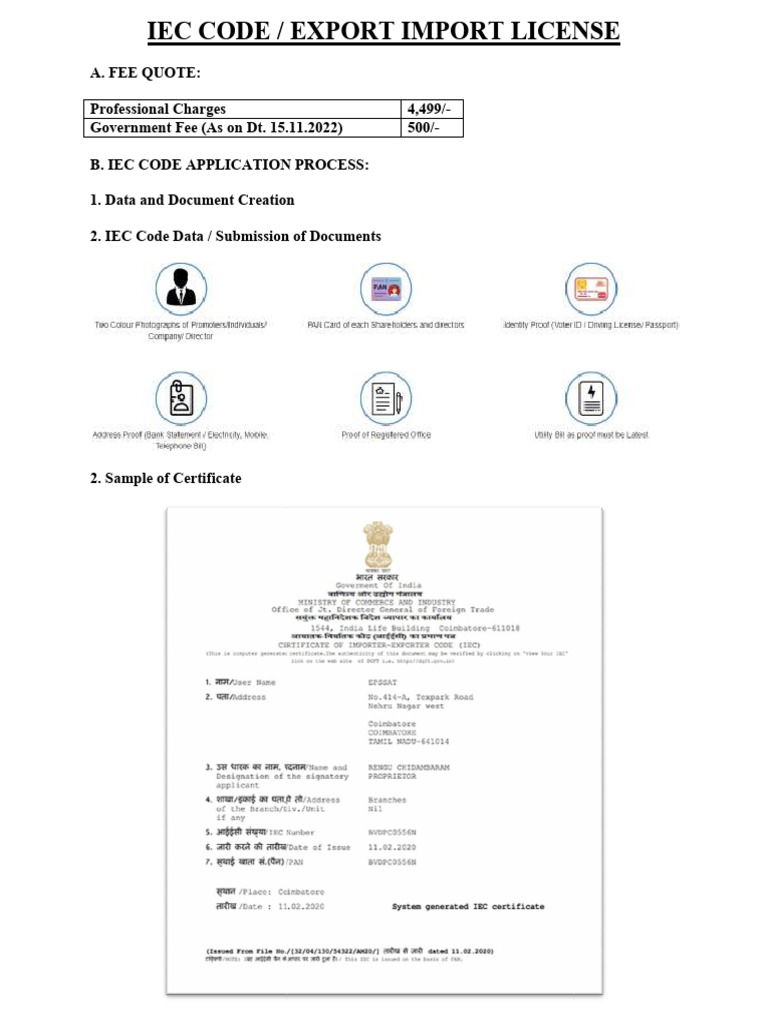
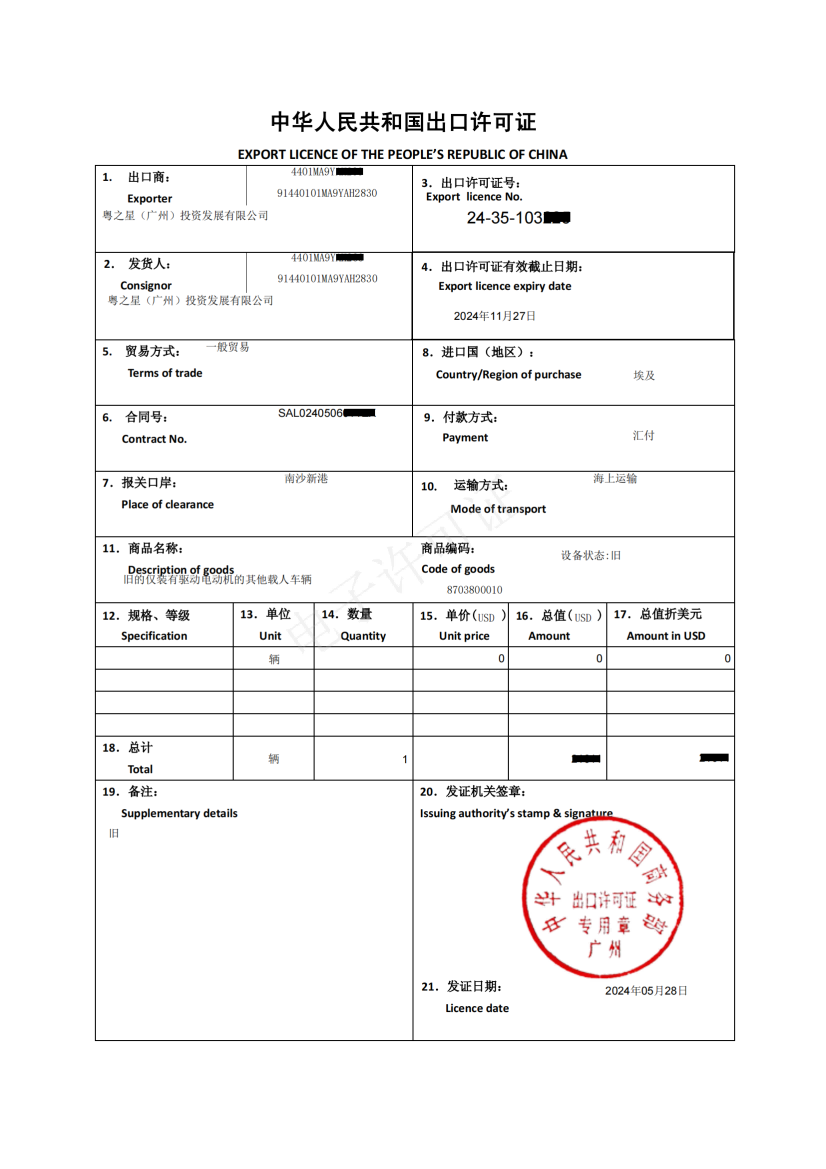
International trade is a complex and heavily regulated industry, with various rules and regulations governing the transportation of goods across borders. One critical aspect of international trade is the transportation export license, which is a government document that authorizes the export of specific goods, technologies, or services to certain destinations under defined conditions.
Transportation export licenses are essential for ensuring that exports align with a country's national security, foreign policy, and economic interests. Without a valid export license, exporters risk facing penalties, fines, and even denial of export privileges. In this article, we will delve into the world of transportation export licenses, exploring their types, requirements, and the application process.
Types of Transportation Export Licenses

A wide range of export licenses exist, each with its own unique set of rules and regulations that oversee the transportation of specific goods. Some of the most common types of transportation export licenses include:
- ITAR (International Traffic in Arms Regulations) Licenses: These licenses regulate the export of defense-related articles and services.
- EAR (Export Administration Regulations) Licenses: These licenses control the export of dual-use items, which are goods and technologies that have both commercial and military applications.
- Customs Export Licenses: These licenses regulate the export of goods that are subject to customs regulations.