Understanding Carbon Credit Trading Costs: A Guide to Navigating the Market
The world of carbon credit trading has become increasingly complex, with new market trends and regulations emerging every year. As a result, businesses and organizations seeking to reduce their carbon footprint must navigate a complex landscape of costs, risks, and opportunities.
Carbon Credit Trading Costs: A Breakdown
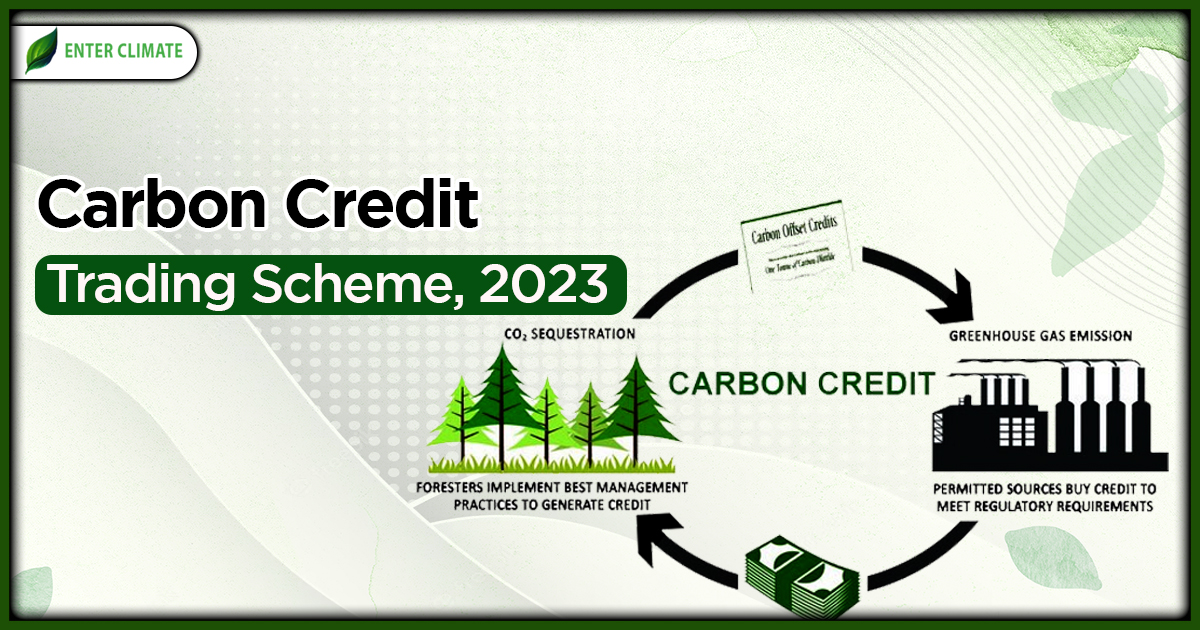
Carbon credit trading costs refer to the expenses associated with buying, selling, and trading carbon credits. These costs can vary widely depending on a range of factors, including the type of credit, the market in which it is traded, and the regulatory environment.
What Drives Carbon Credit Trading Costs?
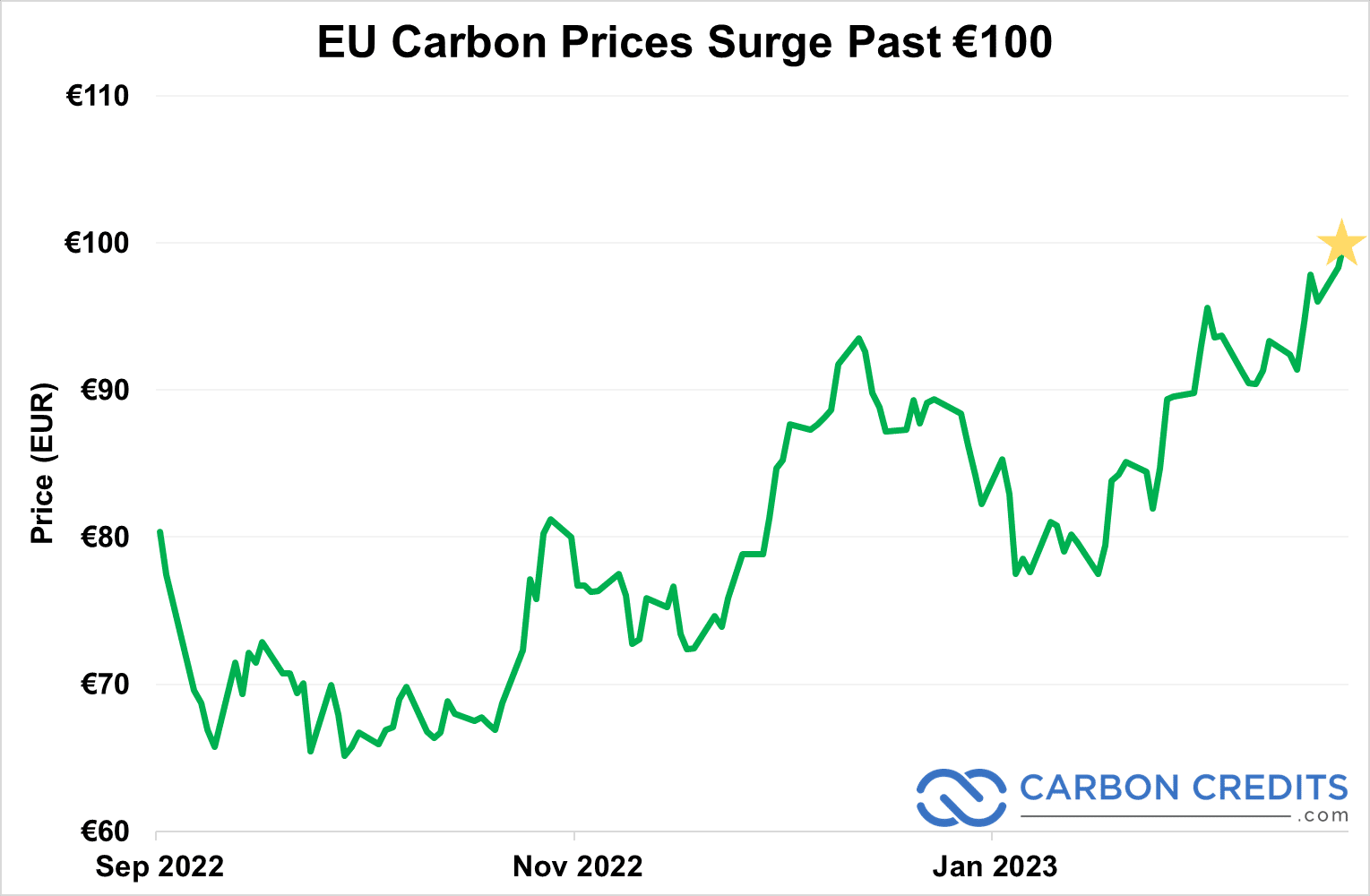
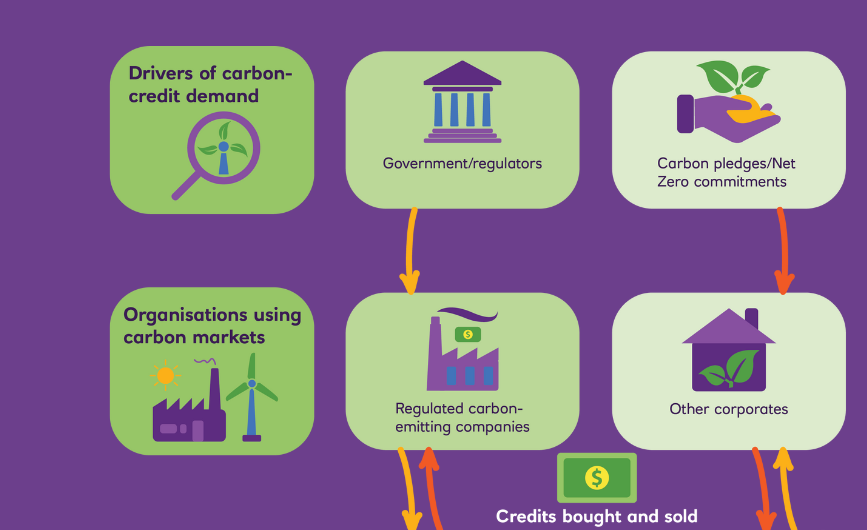
- Market demand:** The cost of carbon credits is driven by market demand, with prices increasing as the demand for credits grows.
- Regulations:** Stricter regulatory environments can increase the cost of carbon credits by limiting the supply of new credits and making it more expensive for businesses to reduce their emissions.
- Supply and demand:** Imbalances between supply and demand can drive up the cost of carbon credits, making it more expensive for businesses to buy credits and for regulators to set emission targets.
- Risk premium:** Investors may demand a risk premium for trading carbon credits, particularly if the market is perceived as high-risk or volatile.