GLP-1 Therapy for Weight-Related Health Issues: A Comprehensive Guide
Glucagon-like peptide-1 (GLP-1) receptor agonists, commonly referred to as GLP-1 therapies, have revolutionized the management of type 2 diabetes and obesity. These medications have been found to be effective in weight loss, improving glycemic control, and reducing cardiovascular risk. In this article, we will delve into the world of GLP-1 therapies, discussing their mechanisms of action, benefits, and potential side effects, as well as their indications and contraindications.
What are GLP-1 Receptor Agonists?
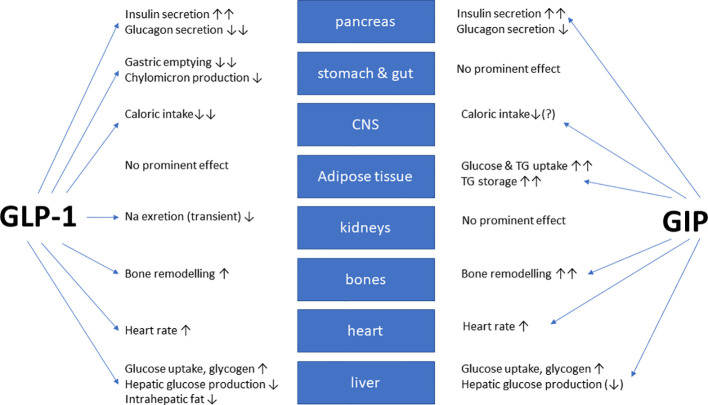
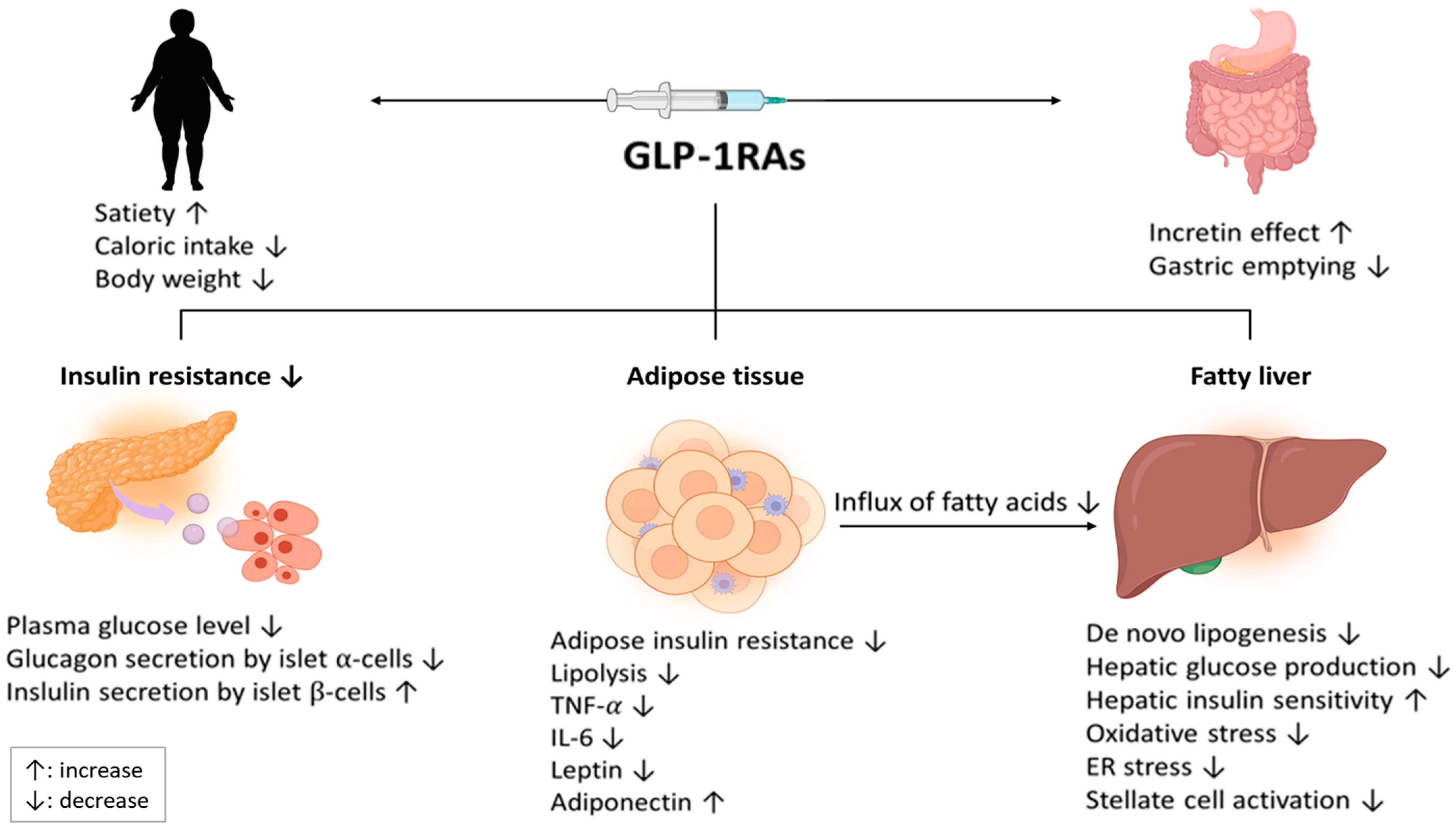
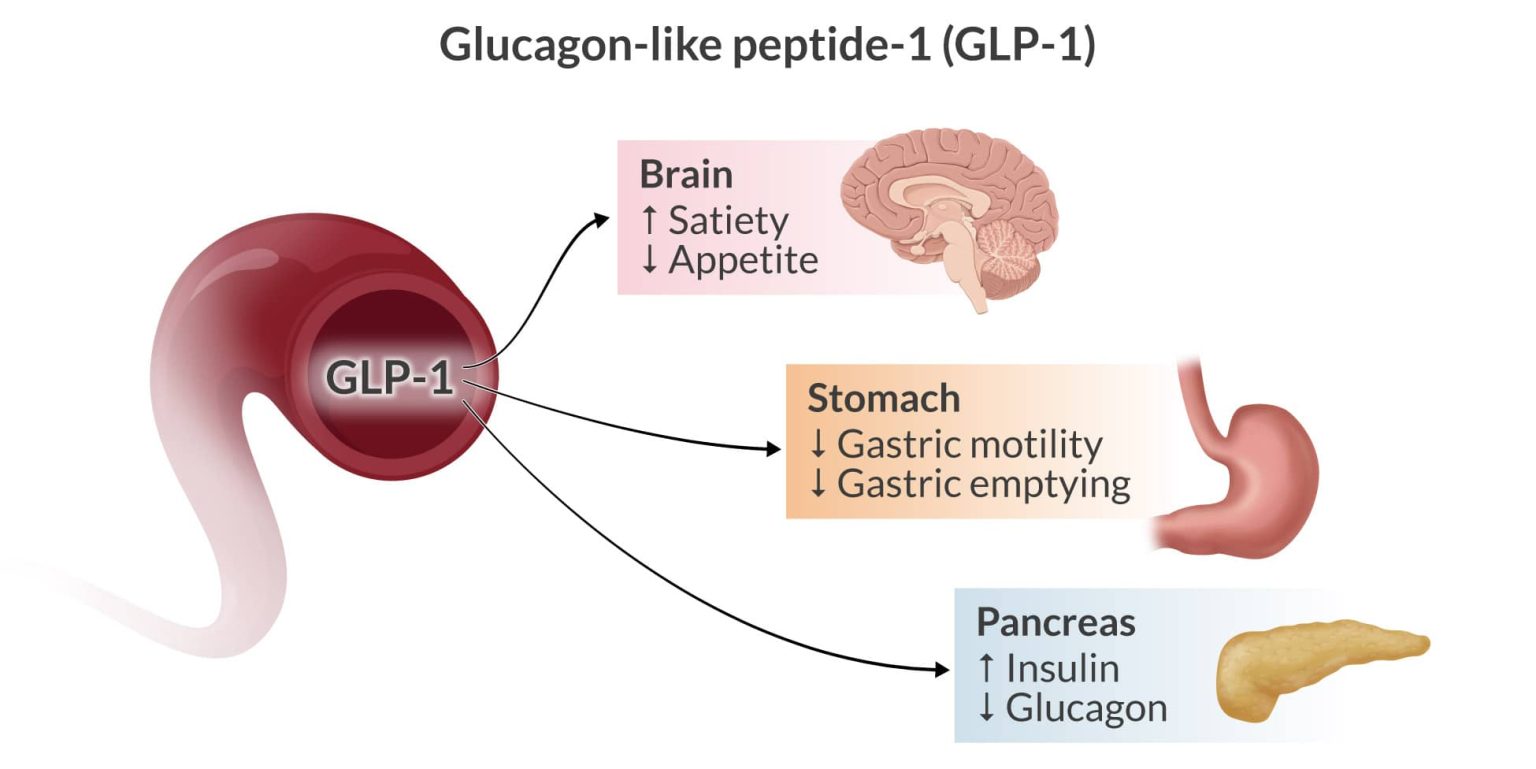
GLP-1 receptor agonists are a class of medications that stimulate the release of GLP-1, a hormone that helps regulate glucose metabolism. These medications mimic the action of GLP-1, binding to its receptor and promoting glucose-dependent insulin secretion, suppressing glucagon secretion, and slowing gastric emptying.
Benefits of GLP-1 Therapy
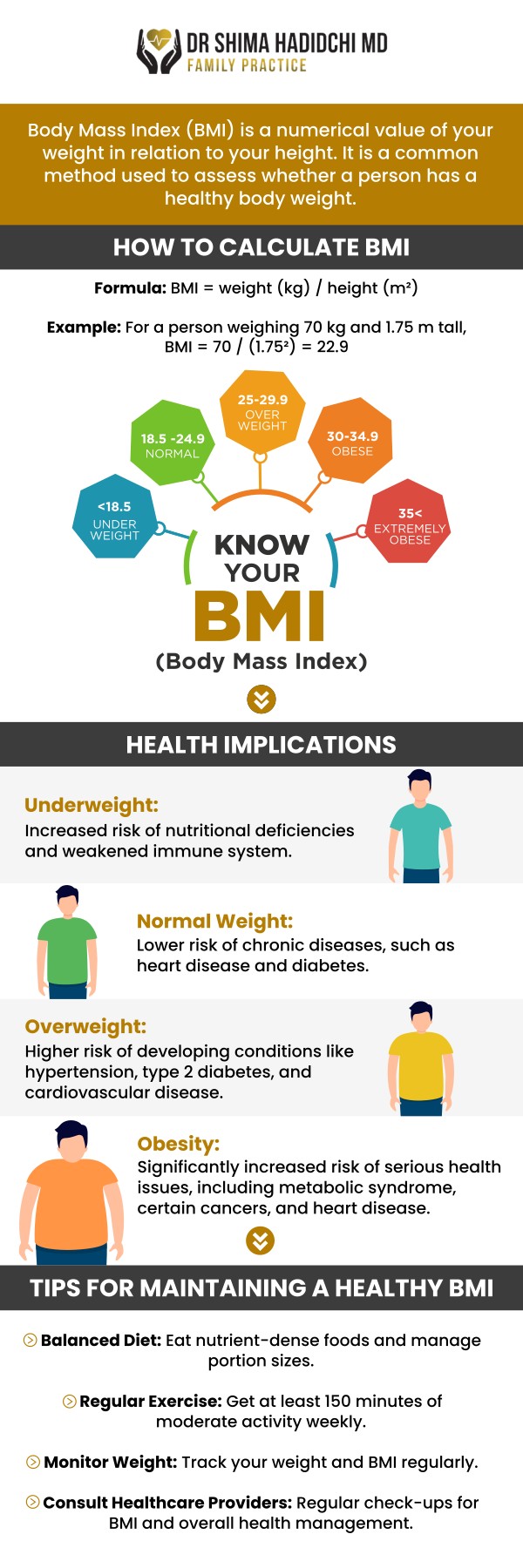
Significant weight loss, with reductions in BMI and body fat.
Improved glycemic control, with reductions in HbA1c levels.
Reduced cardiovascular risk, with decreases in triglycerides, LDL cholesterol, and blood pressure.
Enhanced cognitive function, with improvements in memory and attention.
possibly reduced risk of dementia and Alzheimer's disease.
Mechanism of Action
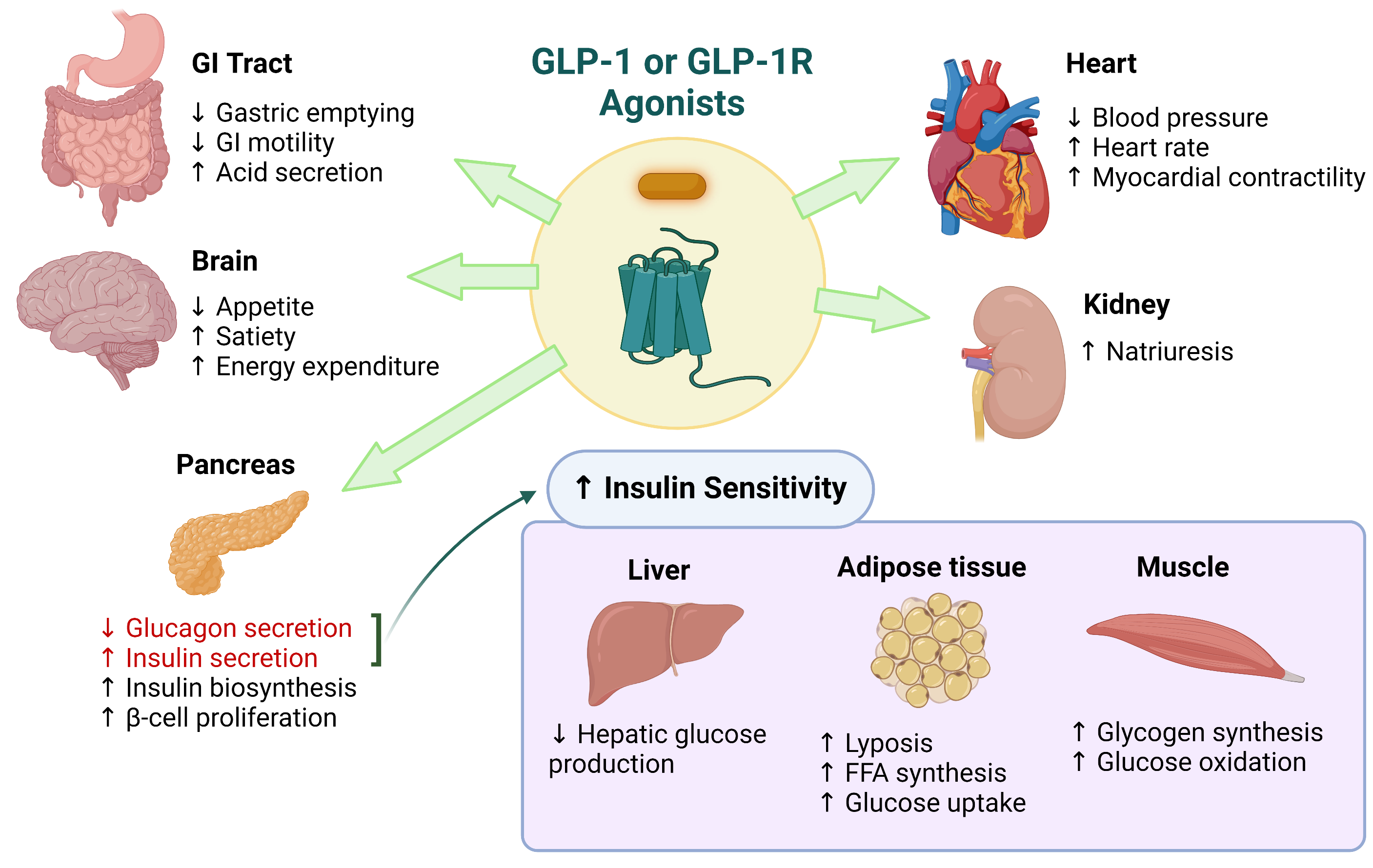
GLP-1 receptor agonists work by:
Stimulating glucose-dependent insulin secretion.
Suppressing glucagon secretion.
Slowing gastric emptying.
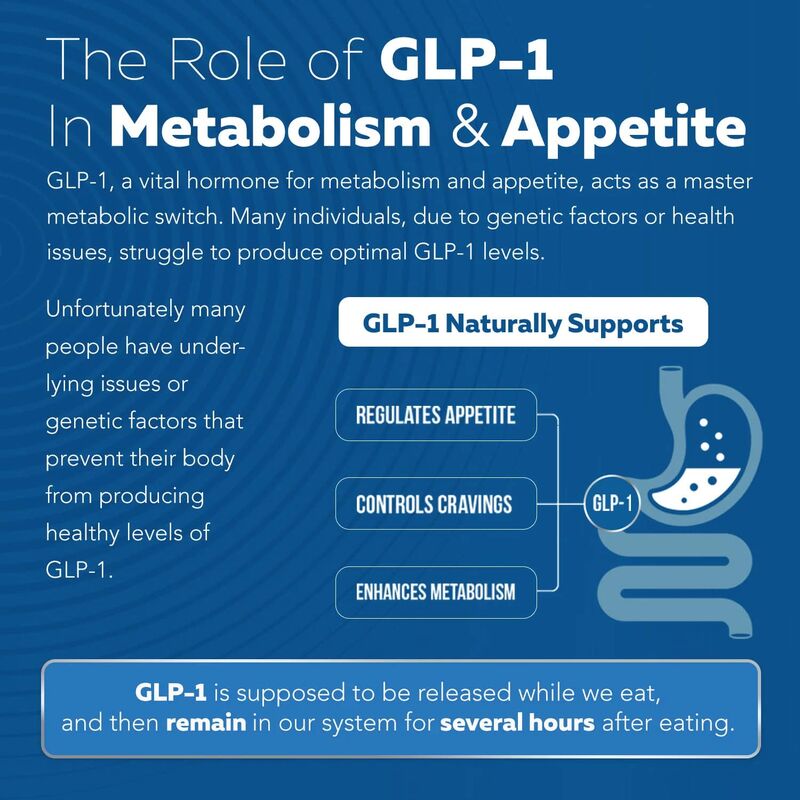
Increasing feelings of fullness and satiety.
Reducing appetite and food intake.