GLP-1 Agonist for Stress-Induced Eating: A Promising Therapeutic Option
The management of stress-induced eating is a critical aspect of addressing various eating disorders, including binge eating disorder (BED). Recent research has highlighted the potential of glucagon-like peptide-1 receptor agonists (GLP-1RAs) as a therapeutic option for managing stress-induced eating. In this article, we will delve into the current understanding of GLP-1RAs and their potential in addressing stress-induced eating.
What are GLP-1RAs?
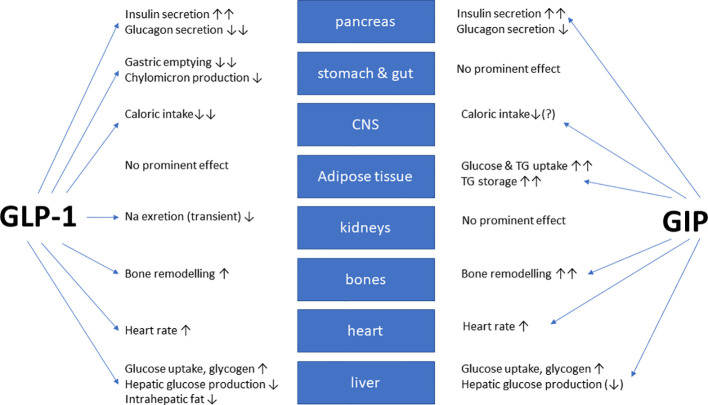
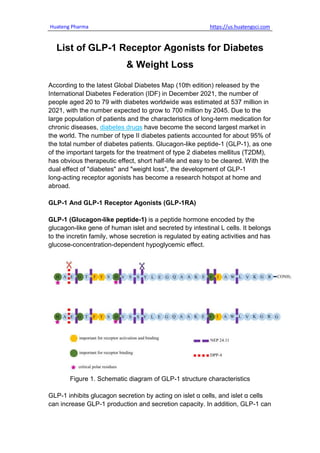
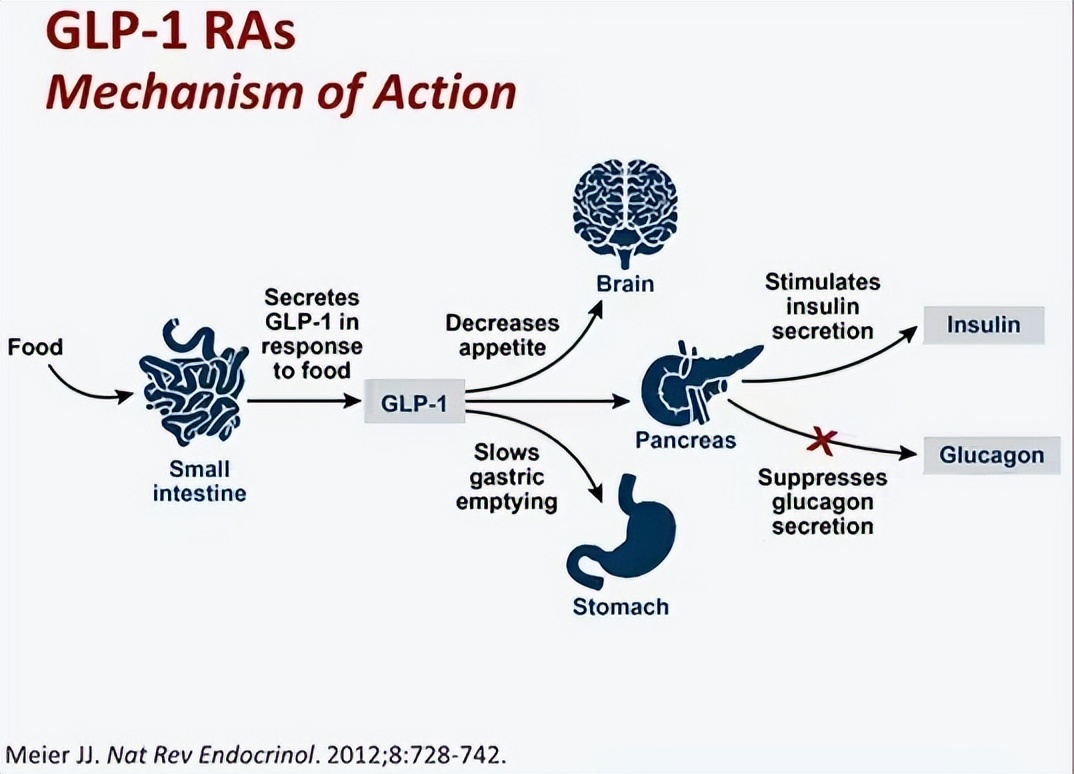
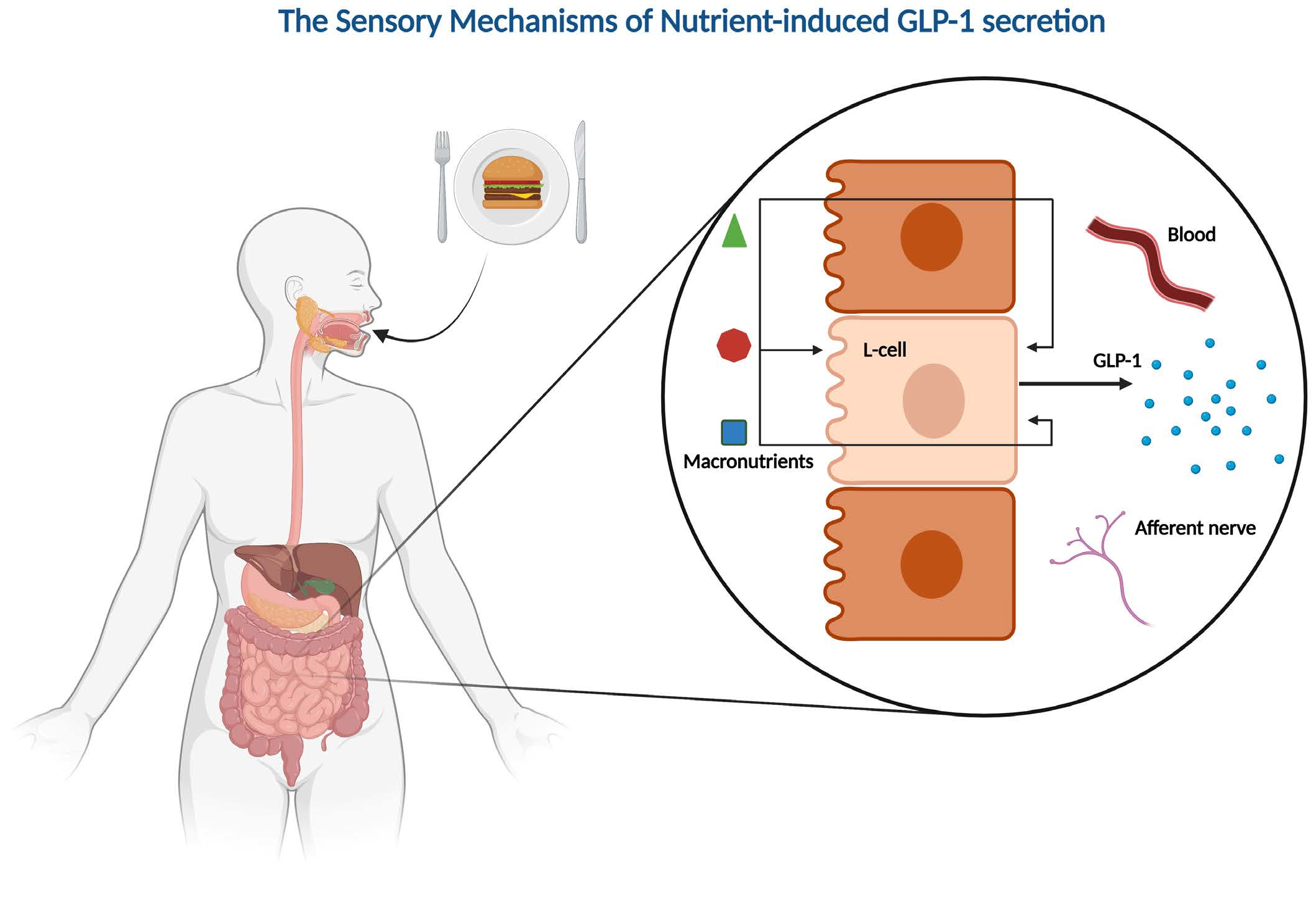
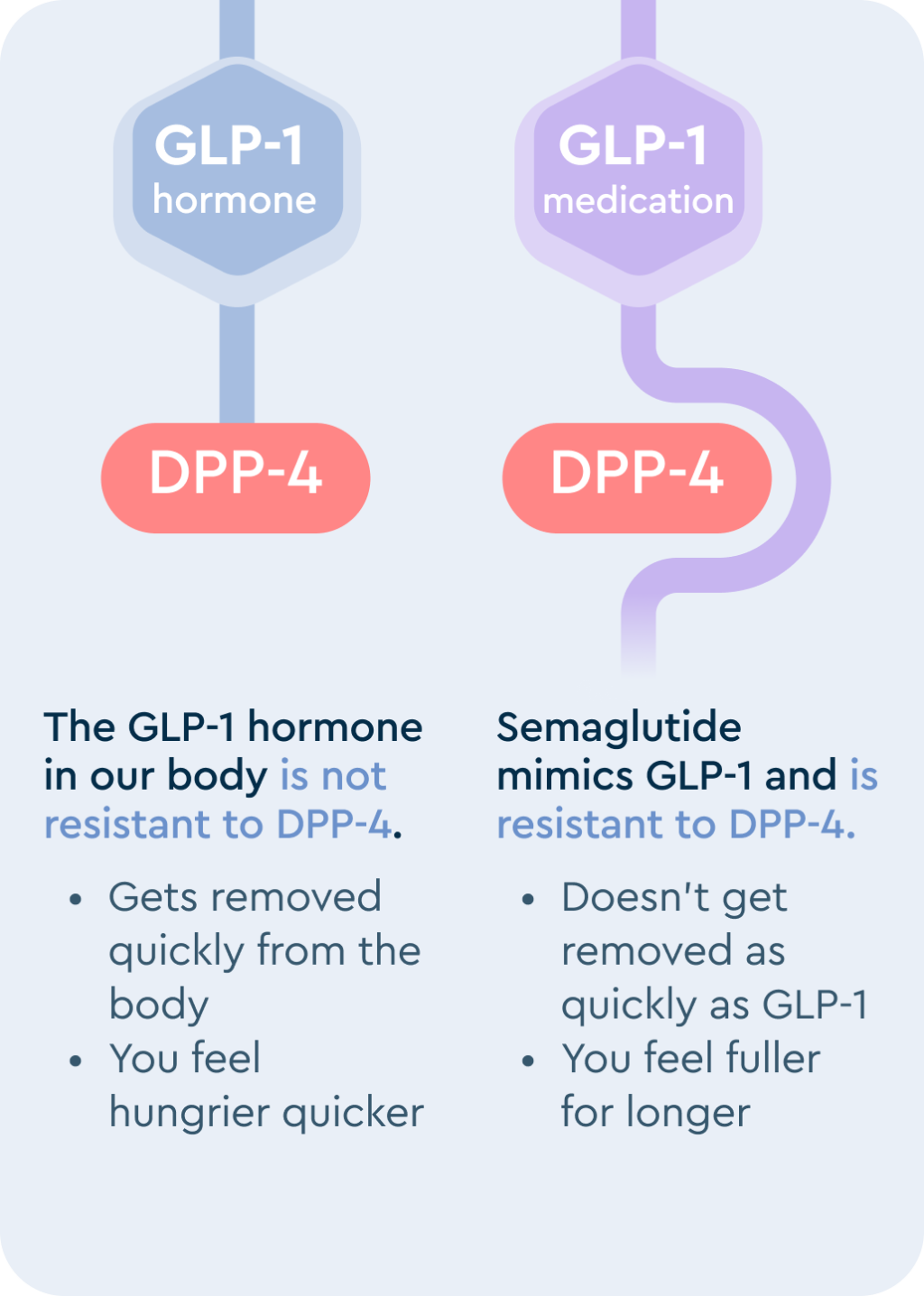
GLP-1RAs are medications that mimic the action of the naturally occurring hormone glucagon-like peptide-1 (GLP-1). GLP-1 is a hormone released by the intestines in response to food intake, which plays a crucial role in regulating appetite and metabolism. GLP-1RAs work by binding to the GLP-1 receptor, stimulating a series of effects that include reducing appetite, slowing gastric emptying, and improving insulin sensitivity.
The Role of GLP-1 in Stress Response and Emotion Regulation

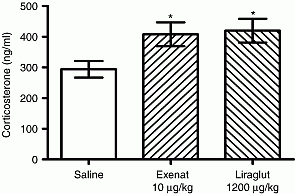
Besides its well-documented effects on appetite and metabolism, GLP-1 also plays a role in stress response and emotion regulation. Studies have shown that GLP-1 acts on areas of the brain involved in stress response and emotion regulation, suggesting a potential therapeutic benefit for stress-induced eating disorders.
GLP-1RAs for Stress-Induced Eating: The Current State of Research
Several studies have investigated the potential of GLP-1RAs in managing stress-induced eating disorders. A systematic review published in the journal BMJ Open evaluated the therapeutic effects of GLP-1 agonists on BED, focusing on weight management and eating behaviors. The review found that GLP-1 agonists may be effective in reducing binge eating episodes and promoting weight loss in individuals with BED.