Using GLP-1 Agonist Medications to Control Blood Sugar in Pre-Diabetes
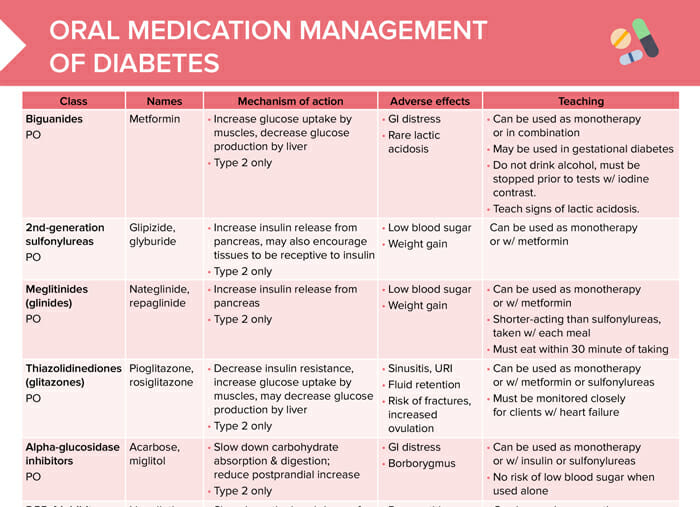
Pre-diabetes is a condition characterized by high blood sugar levels that are not high enough to be classified as diabetes. It's estimated that over 88 million adults in the United States have pre-diabetes, and without proper treatment, it can progress to type 2 diabetes. One way to control blood sugar levels in pre-diabetes is through the use of GLP-1 agonist medications.
What are GLP-1 Agonist Medications?
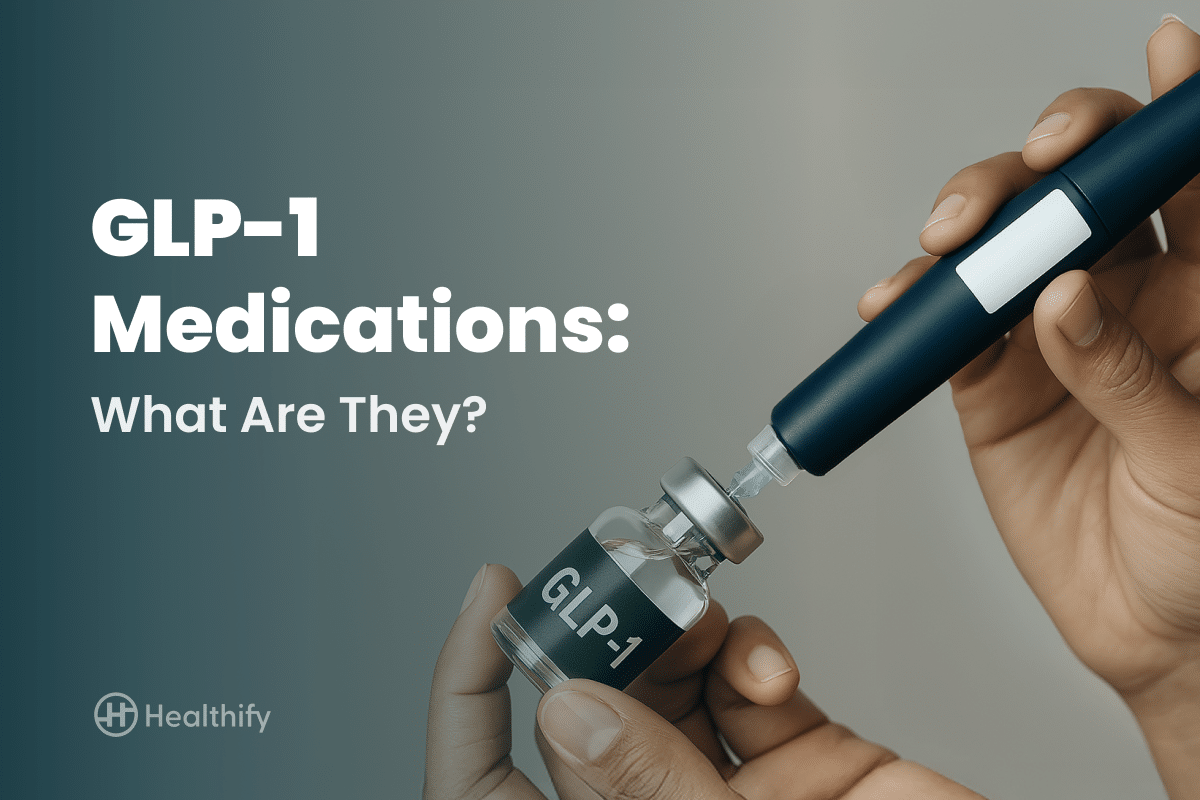
- GLP-1 agonist medications are a class of injectable medications that work by mimicking the natural GLP-1 hormone in the body.
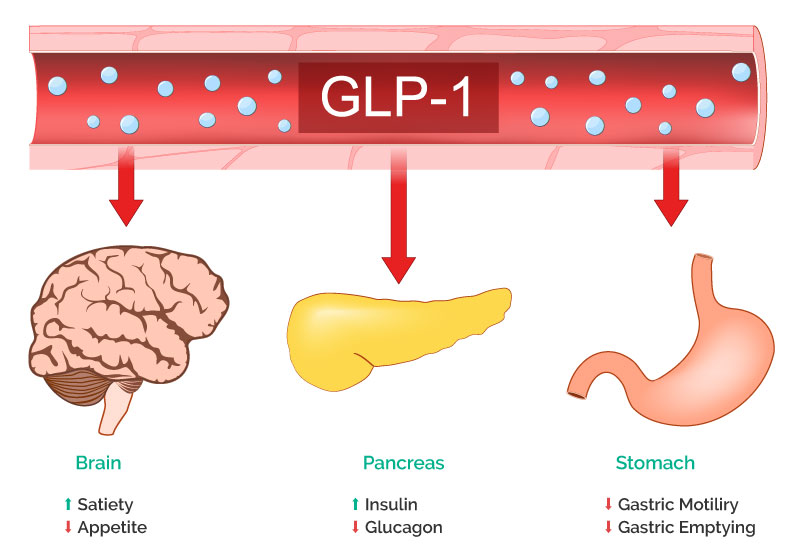
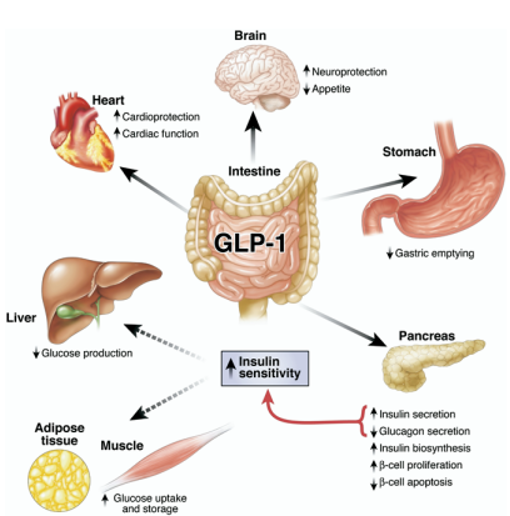
- GLP-1 is a hormone released by the gut in response to eating, which helps to regulate blood sugar levels.
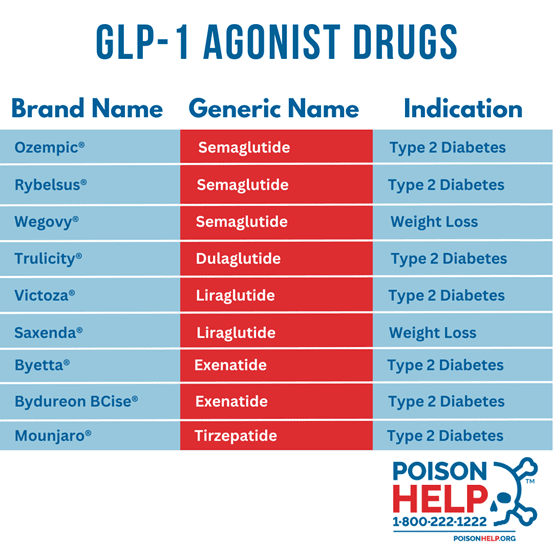
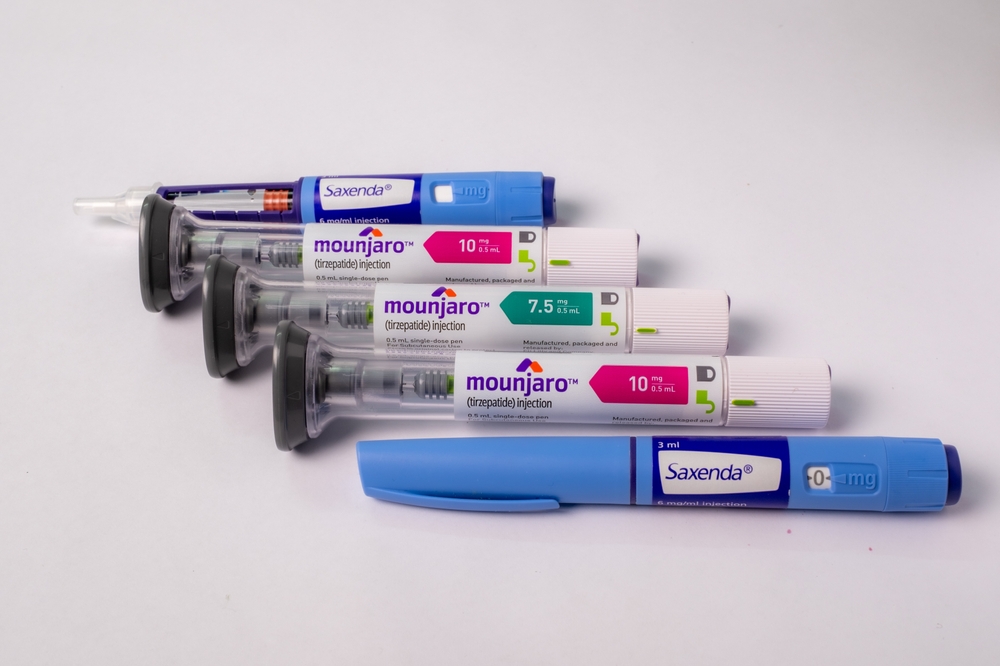
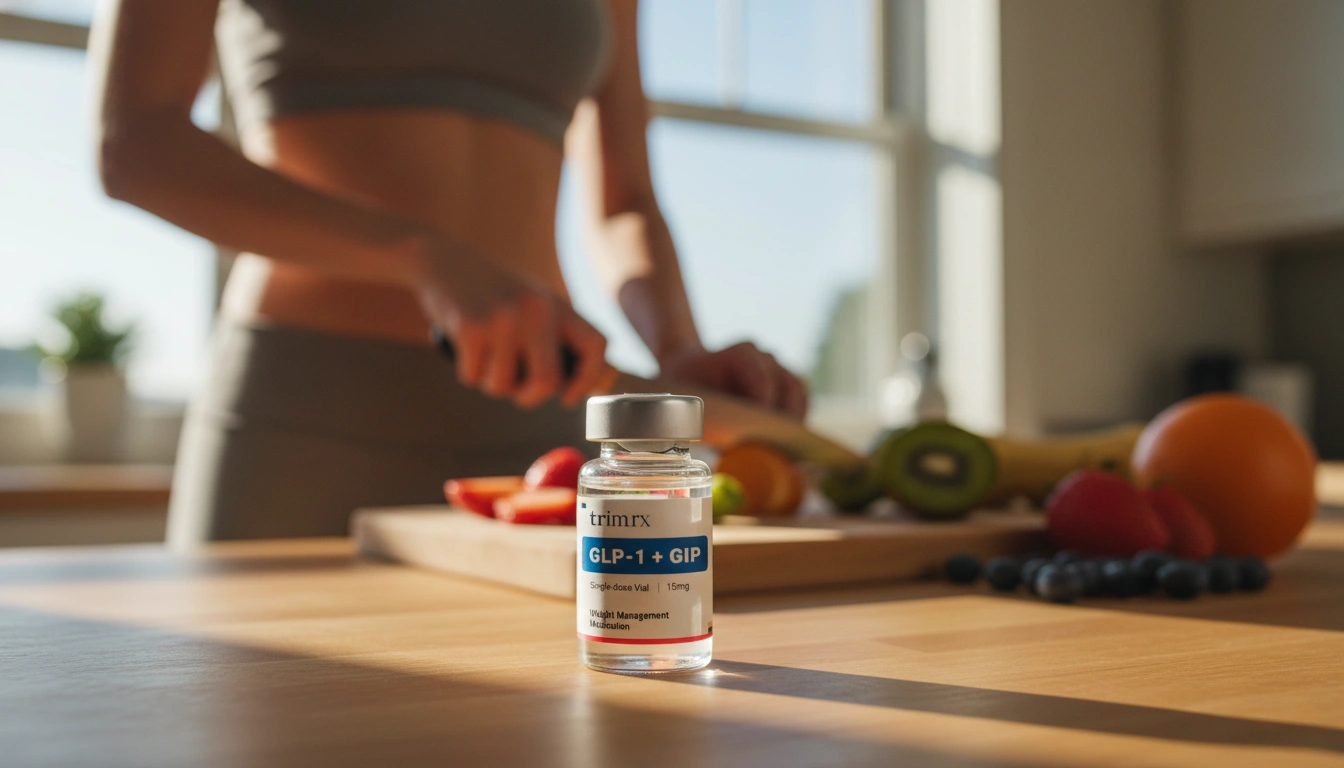
- GLP-1 agonist medications, such as semaglutide (Ozempic) and liraglutide (Saxenda), help to increase the production of insulin in the body, which reduces blood sugar levels.

How Do GLP-1 Agonist Medications Work?
GLP-1 agonist medications work by mimicking the natural GLP-1 hormone in the body. When we eat, GLP-1 is released from the gut, which stimulates the release of insulin from the pancreas. Insulin helps to reduce blood sugar levels. GLP-1 agonist medications, such as semaglutide and liraglutide, work by activating the GLP-1 receptors in the body, which increases the production of insulin and reduces blood sugar levels.