Export License Requirements for Worldwide: A Comprehensive Guide
Exporting goods and services across international borders requires careful consideration of various regulations and compliance requirements. In this article, we will delve into the world of export license requirements for worldwide export, providing an in-depth understanding of the process, key requirements, and essential documents necessary for compliance.
What is an Export License?
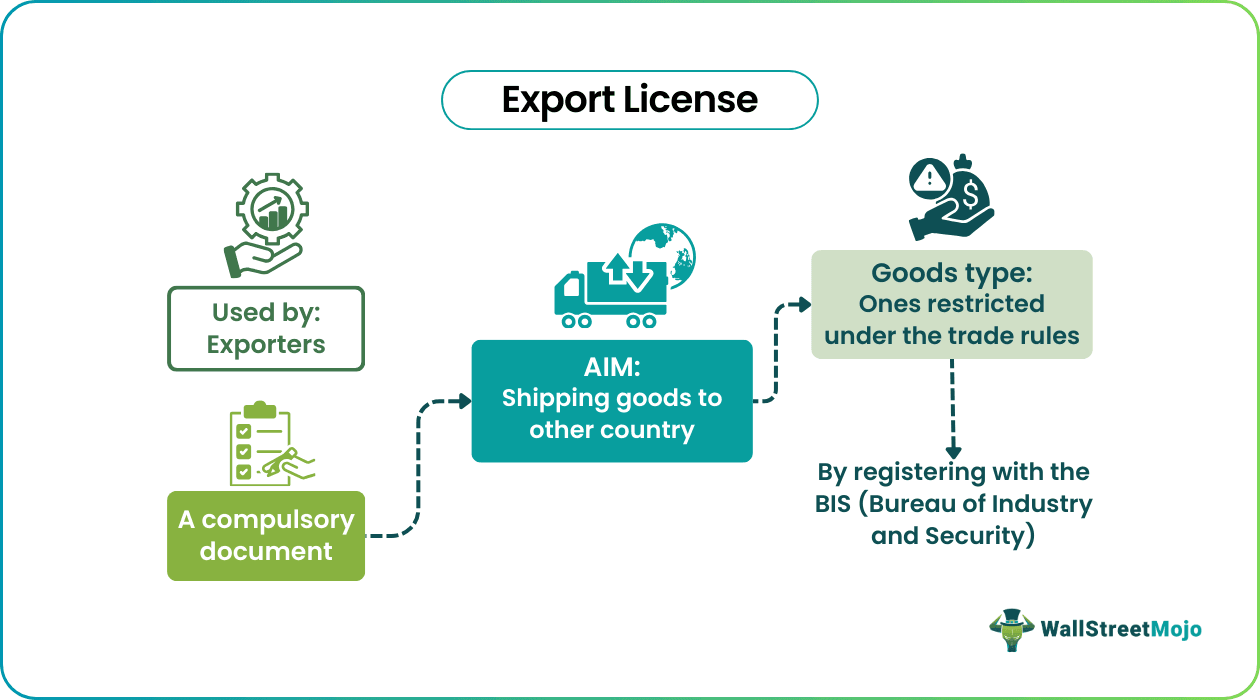
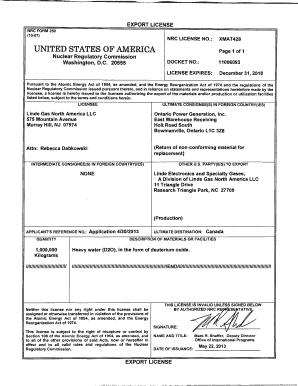
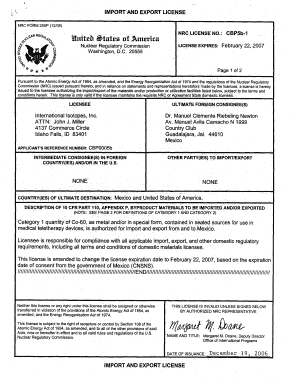
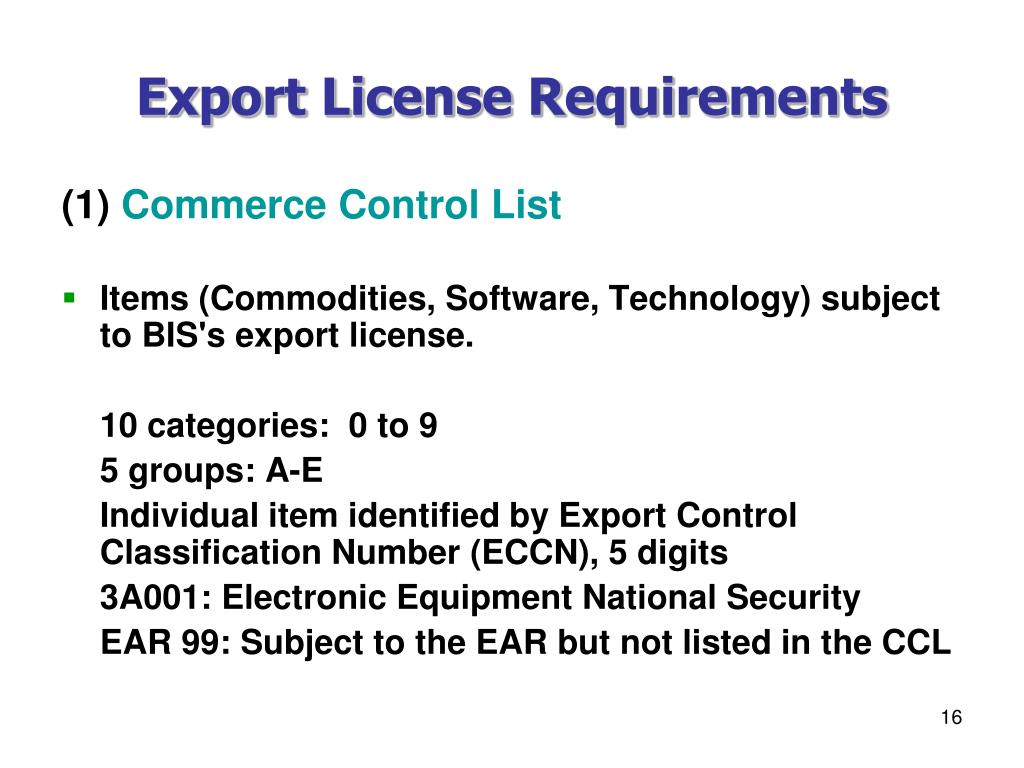
A government-issued authorization that permits a company or individual to ship specific goods to another country, ensuring that the products meet the required regulations and standards before exportation. Export licenses play a vital role in regulating the movement of goods across borders in the global trade industry.
Key Takeaways
- Export license requirements vary significantly across industries due to differing risk profiles and regulatory priorities.
- Understanding industry-specific export controls helps prevent costly penalties and compliance pitfalls.
- Dual-use and controlled items shape export licensing demands uniquely within each sector.
- Strategic, informed risk assessments rooted in industry realities are essential for determining export licensing requirements.
Regulatory Agencies Involved
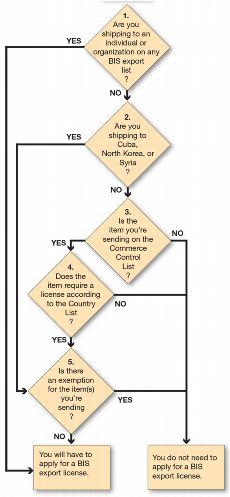
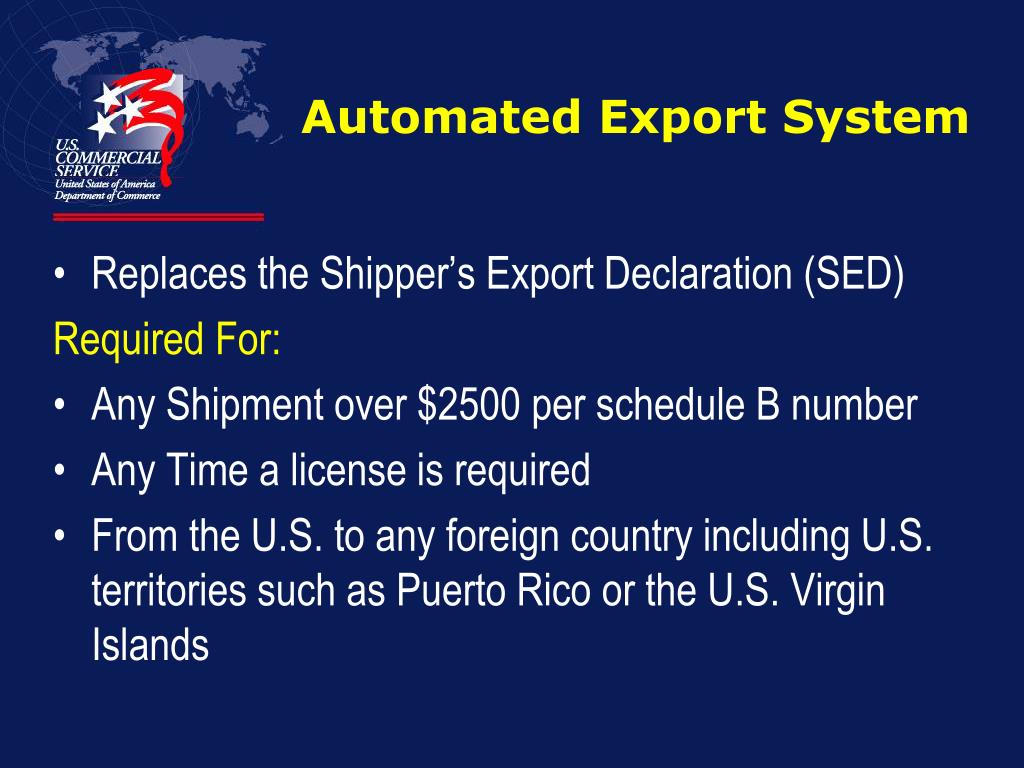
Primarily, there are three U.S. Government agencies that may require your shipment to have an export license:
- Department of Commerce, Bureau of Industry and Security (BIS)
- Department of Treasury, Office of Foreign Assets Control (OFAC)
- Department of State (State Department)