The Crucial Connection Between A Female Reproductive Health Diet and Fertility
The connection between diet and fertility is strong enough that the American Society for Reproductive Medicine (ASRM) updated its guidance in 2022 to highlight the role of nutrition in optimizing natural fertility. Let's break down what the research shows - and what changes you can start making right now.
First, the Basics: What We Know for Women's Female Reproductive Health and Diet
Infertility is an increasing problem that affects couples attempting pregnancy. A growing body of evidence points to a link between diet and female fertility. In fact, data show that a diet high in trans fats, refined carbohydrates, and added sugars can negatively affect fertility.

Conversely, a diet based on the Mediterranean dietary patterns, i.e., rich in dietary fiber, omega-3 fatty acids, and antioxidant-rich foods, can have a positive impact on fertility. Studies have shown that women who follow a Mediterranean diet are more likely to conceive within a shorter period.
Diet Guidelines for Female Reproductive Health
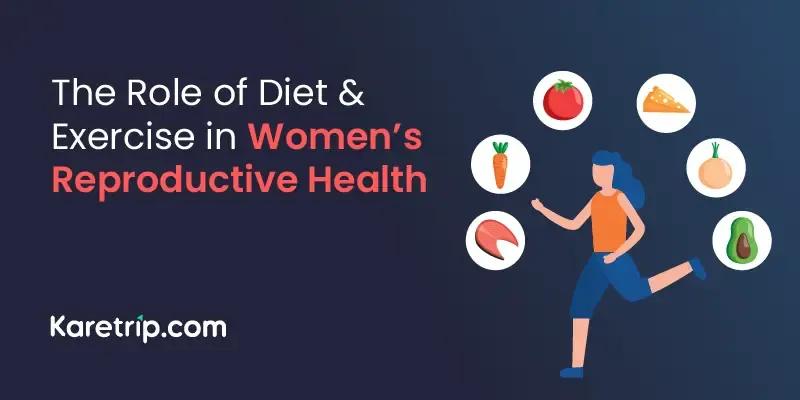
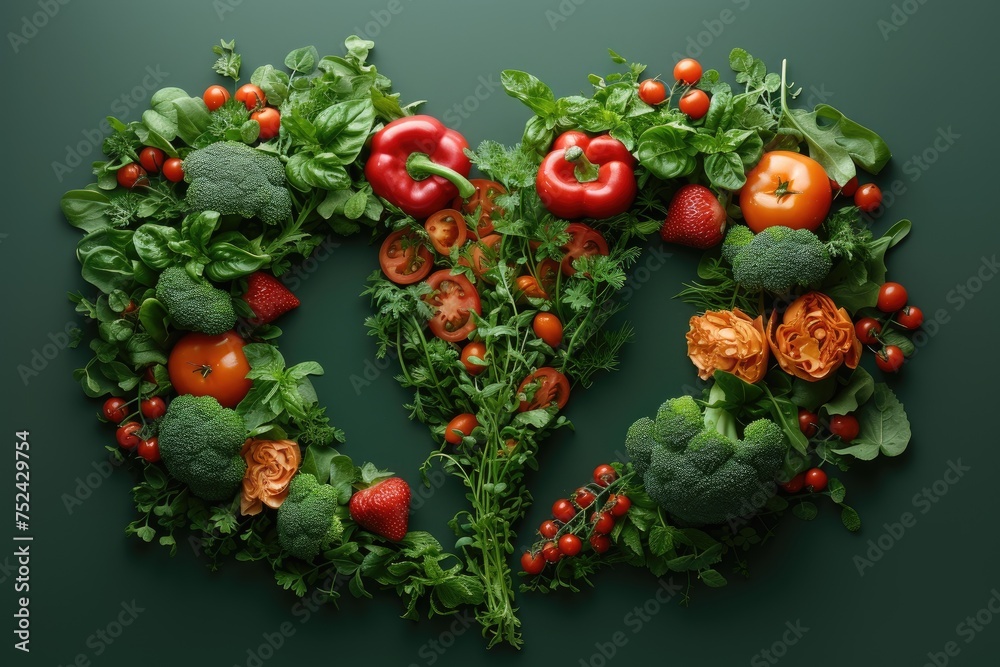
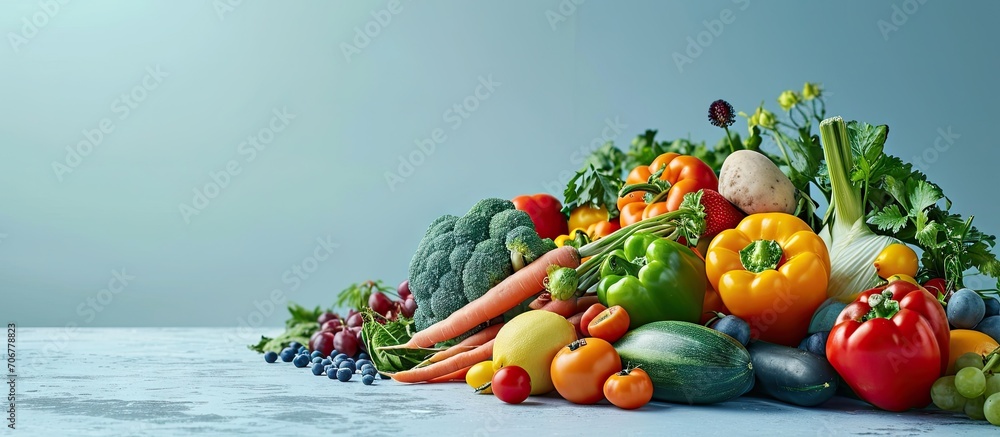
- Adopt a diet rich in fruits, vegetables, whole grains, lean proteins, and healthy fats
- Emphasize nutrient-dense foods, including leafy greens, berries, nuts, and omega-3-rich foods
- Limit or avoid foods high in saturated and trans fats, added sugars, and refined carbohydrates
- Choose whole grains over refined or processed grains
- Include sources of omega-3 fatty acids, such as fatty fish, flaxseeds, and walnuts
- Drink plenty of water and limit sugary drinks