Understanding the Importance of Structural Foundation Repair
A strong and stable foundation is the backbone of a home's structural integrity, ensuring the safety and value of the property. Over time, however, foundations can deteriorate due to various factors, leading to costly and potentially hazardous issues. This comprehensive guide delves into the world of structural foundation repair, covering warning signs, costs, methods, and tips to help you decide when to tackle problems yourself and when to call in the experts.Common Warning Signs Indicating Structural Foundation Issues
As a homeowner, it's essential to recognize the early warning signs of foundation damage. Keep an eye out for the following indicators:
- Cracks in walls, ceilings, and floors
- Uneven or shifted floors
- Doors and windows that stick or won't close properly
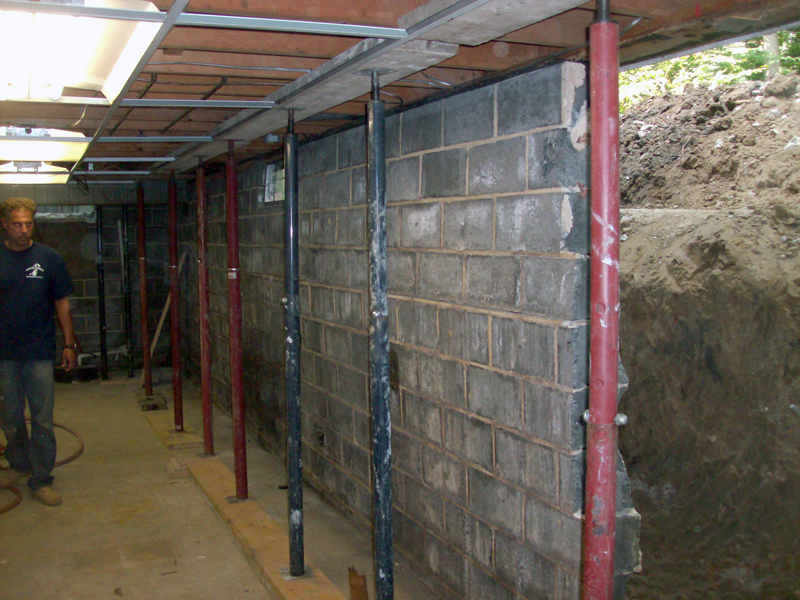
- Bowing or leaning walls
- Water damage or flooding
- Musty odors or dampness
The Cost of Delayed Foundation Repair
Ignoring structural foundation issues can lead to significant and costly consequences. A damaged foundation can cause:
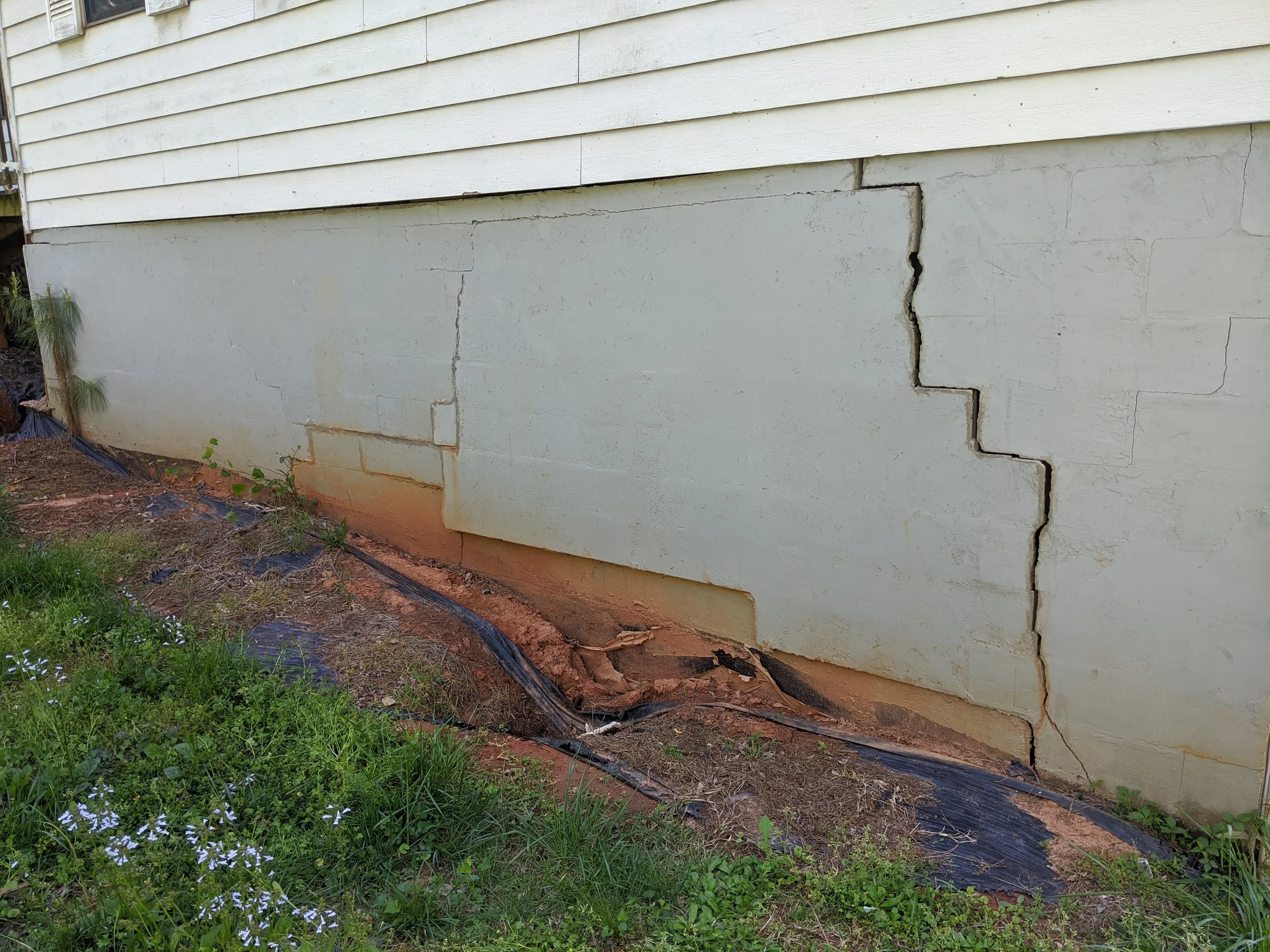
- Further damage to walls, floors, and ceilings
- Increased energy bills due to air leaks and inefficient heating/cooling systems
- Reduced property value
- Potential safety hazards, such as falls and structural collapses
Methods of Structural Foundation Repair
Several techniques can be employed to repair foundation issues, including:
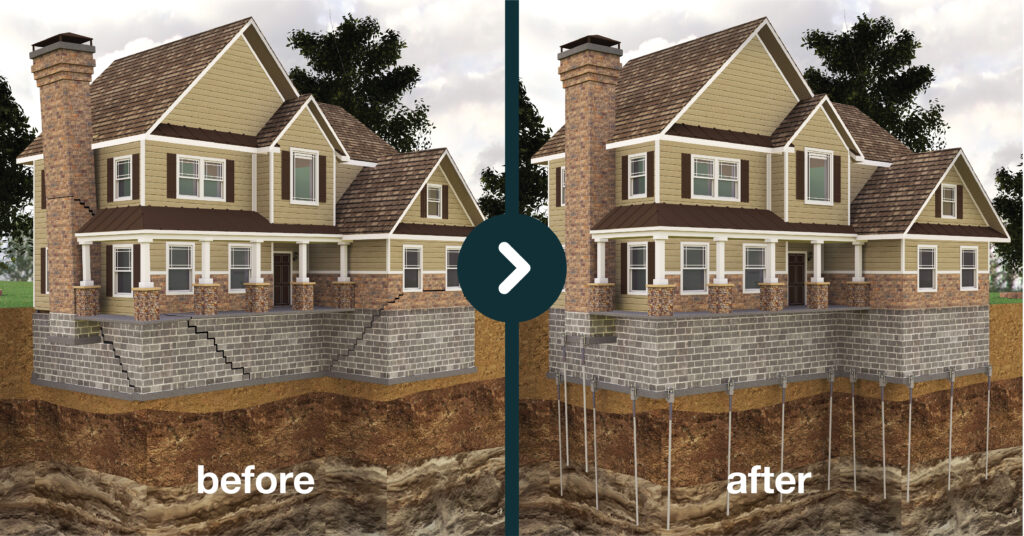
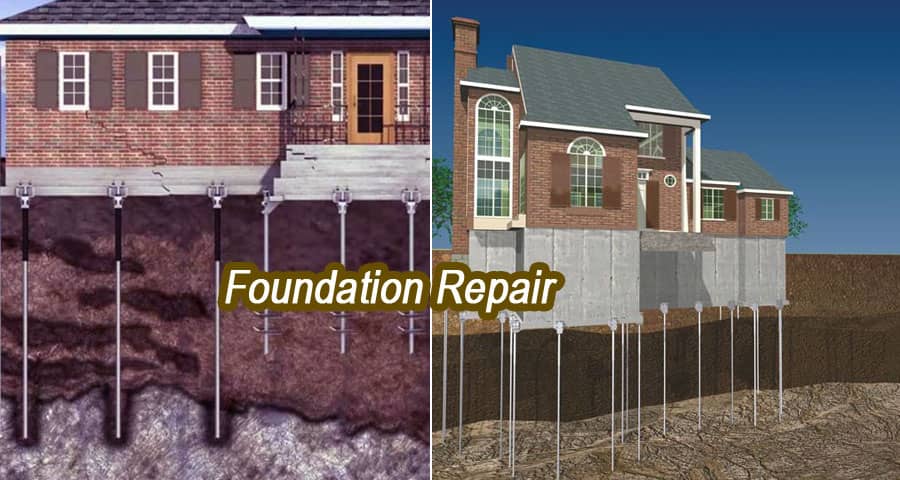
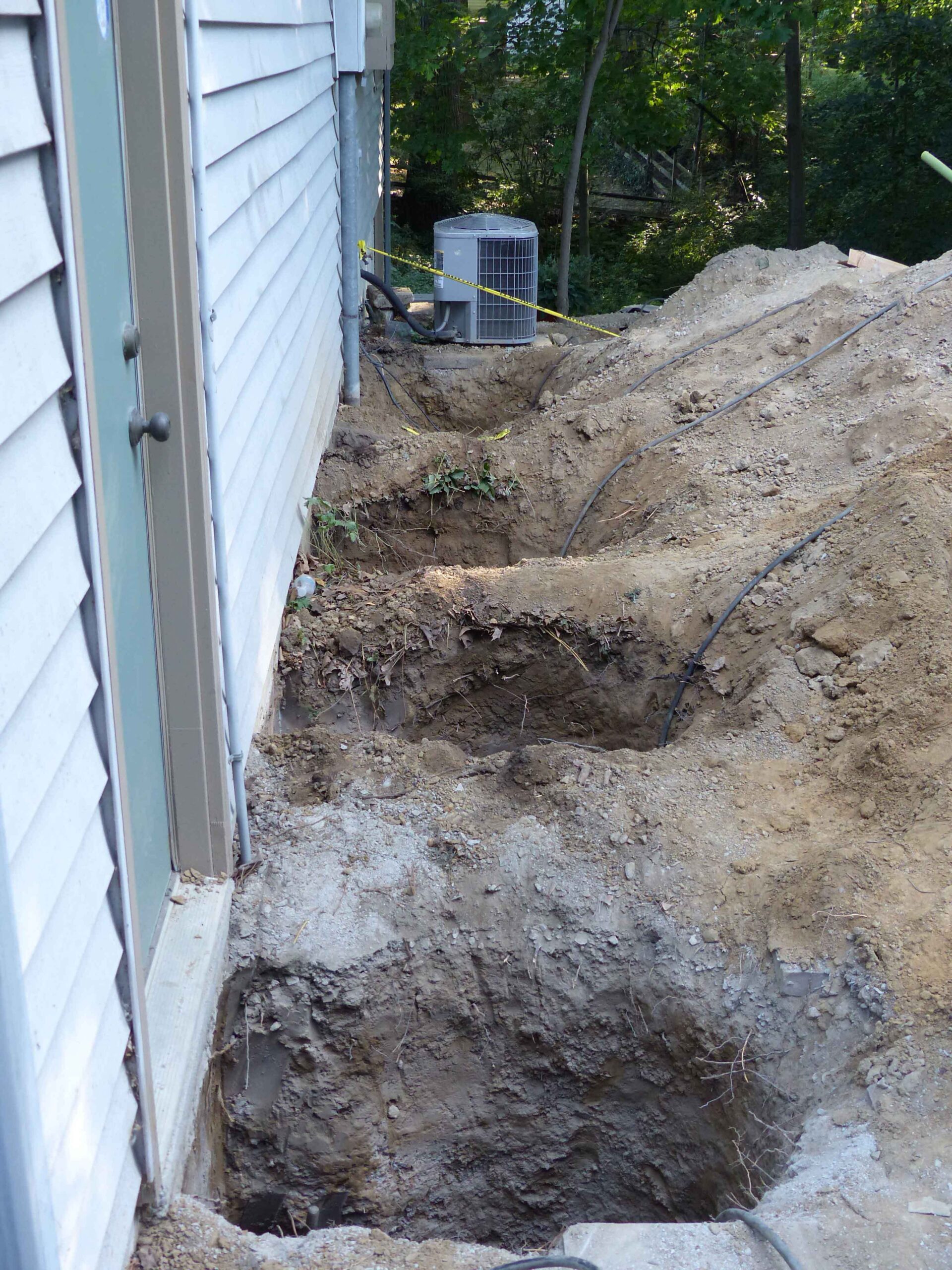
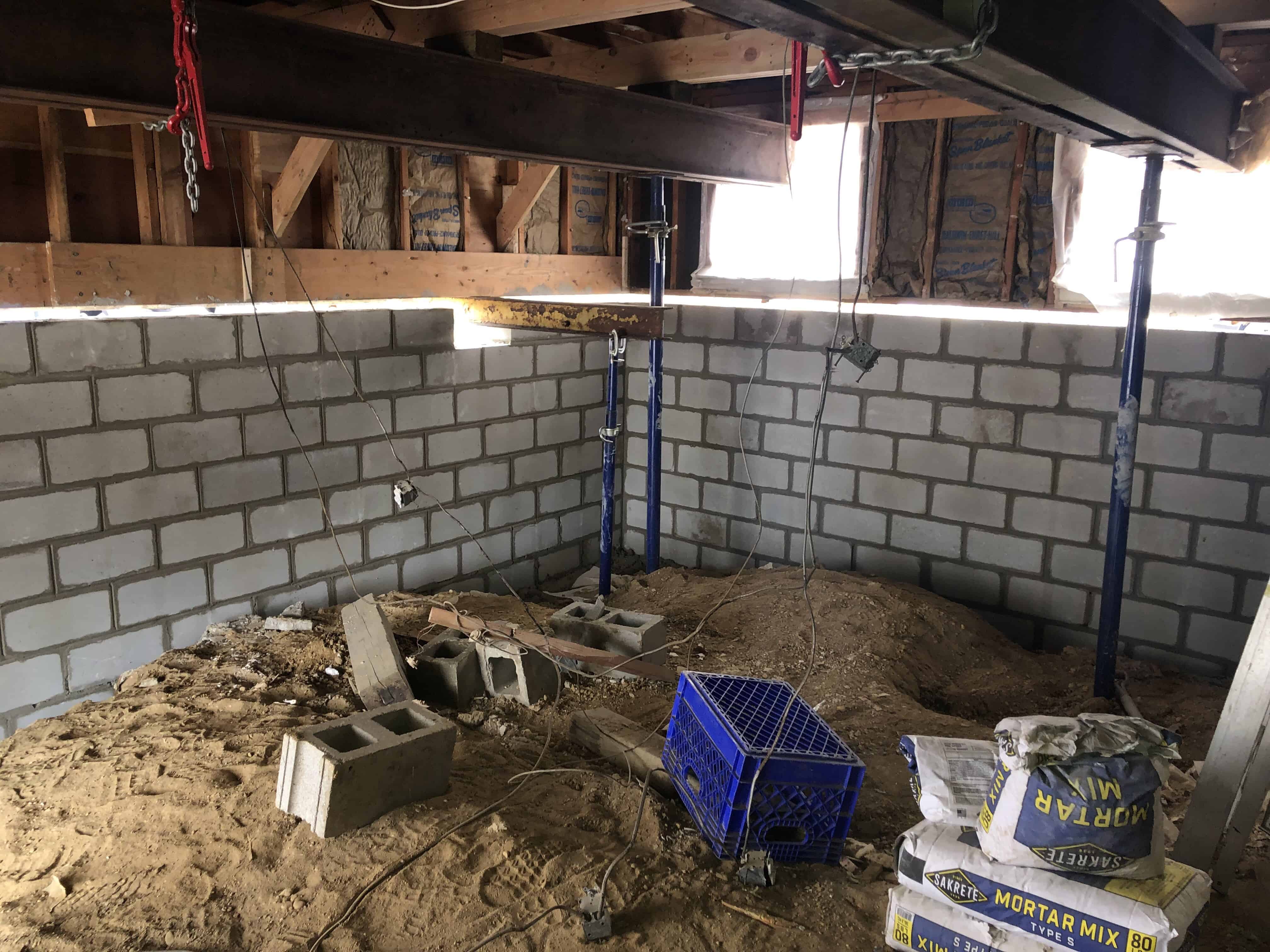
- Foundation Piering: Installing steel piers or concrete piers to support the foundation and transfer the weight of the structure to a more stable soil level.
- Slab Jacking: Lifting the slab foundation to redistribute the weight and realign it with the original position.
- Helical Piers: Installing anchored piers to stabilize and lift the foundation.
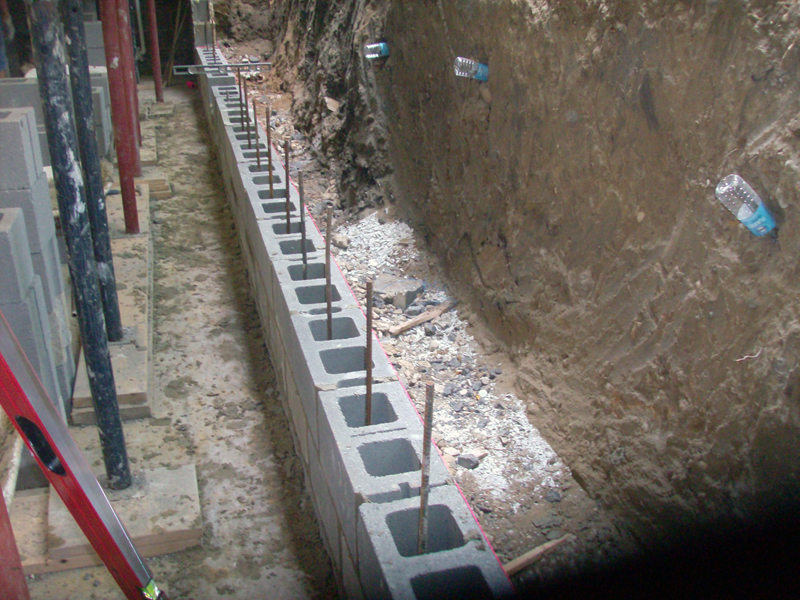
- Foundation Underpinning: Strengthening the foundation with various materials, such as mortar, concrete, or steel, to prevent further settling.